As South Africa prepares for the annual 16 Days of Activism for No Violence Against Women and Children, FNB is encouraging South Africans to turn awareness into meaningful action in the fight against gender-based violence and femicide (GBVF).
Through its digital platforms, partner networks and community initiatives, the bank is helping customers connect with trusted organisations that work to prevent violence, protect survivors and support vulnerable communities.
For many people, the desire to help is there. Knowing where to start, and which organisations to trust, can be the challenge.
FNB says it wants to make that step easier.
“The scourge of GBVF continues to affect families, communities and futures across South Africa. While many people want to make a difference, they often don’t know where to start or which organisations they can trust to have meaningful impact,” says Linda Kachingwe-Sisya, Chief Marketing Officer at FNB.
She explains that the bank has used its digital capabilities, partner networks and platforms for many years to help bridge this gap.
The aim is to make it easier for South Africans to support credible organisations and become part of the solution.
Turning digital access into practical support
At the centre of this effort is nav» Care, a digital platform available through the FNB App.
The platform connects FNB customers and employees with vetted organisations, facilities and communities that need support.
Since its launch, nav» Care has enabled South Africans to contribute directly to gender-based violence initiatives. These contributions help fund organisations providing essential services to survivors and vulnerable communities.
Through public donations, employee volunteering and the FNB Care programme, the bank has invested more than R25 million over the past three years in GBV prevention, support and response initiatives.
Customers can make cash or eBucks donations. They can also support safe houses and care centres through facility adoption programmes.
This gives people practical ways to contribute to organisations already doing critical work in communities.
The impact behind the numbers
The results of these efforts are reflected in several milestones recorded since July 2023.
- 80 GBV safe-house facilities have been adopted.
- More than 4,735 GBV Prevention Toolkits have been distributed.
- Approximately 2,106 Memeza personal panic alarms have been provided to students in hostels, school learners, teachers and elderly beneficiaries.
These initiatives form part of FNB’s wider effort to strengthen prevention, protection and support services for people affected by gender-based violence.
Kachingwe-Sisya says nav» Care gives customers an accessible way to support survivors, strengthen communities and contribute to safer environments for future generations.
She also highlights the importance of transparency and trust when people choose where to direct their support.
The platform provides access to a transparent list of vetted initiatives, helping customers understand where their contributions are going and the difference they can make.
Supporting the organisations on the frontlines
Community organisations play a vital role in protecting survivors and helping them rebuild their lives.
Many provide essential services despite limited resources and growing demand. FNB says these organisations are often a lifeline for people affected by gender-based violence.
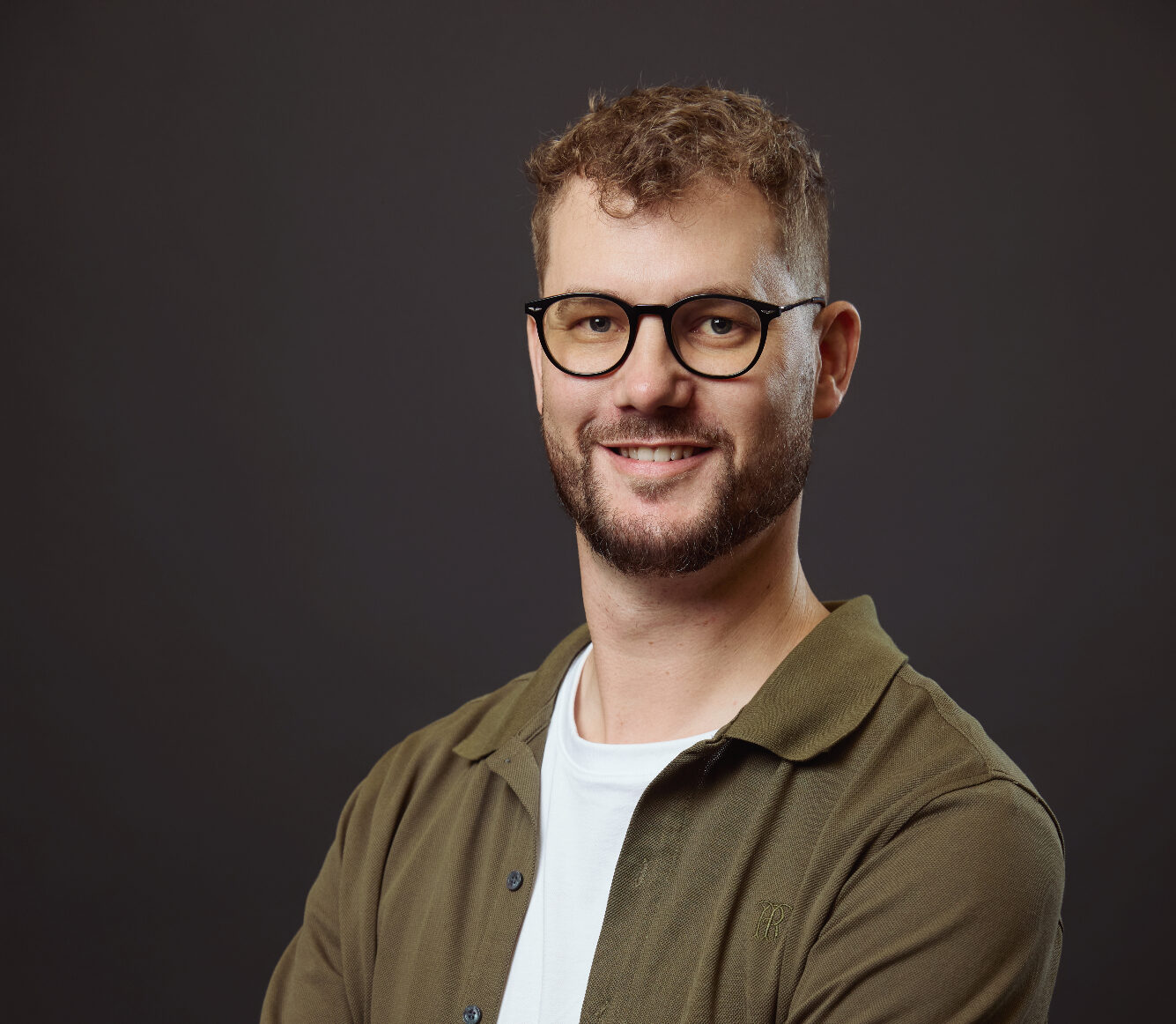
Andre Prinsloo, Head of FNB nav» Care, highlights the importance of giving South Africans accessible ways to support this work.
“Through nav» Care, we’ve seen the incredible willingness of South Africans to step forward when they’re given a trusted and accessible way to help,” says Prinsloo.
He adds that donations, safe-house support and contributions to community initiatives all help strengthen the networks survivors depend on.
For Prinsloo, the figures represent much more than statistics.
“Behind every statistic is a person, a family and a community whose lived-reality has been affected by violence.”
He says that supporting safe houses, prevention initiatives and critical resources can collectively build stronger networks of care, protection and hope.
Even when the scale of the challenge feels overwhelming, he believes every act of participation provides real help.
Using technology to strengthen personal safety
FNB’s work also extends beyond donations and facility support.
The bank continues to explore how technology can complement existing safety structures through GuardMe 2.0.
The service gives staff members and customers access to on-demand emergency assistance, including medical and security response support.
Kachingwe-Sisya acknowledges that technology alone cannot solve the GBVF crisis. However, she says it can play an important role within a broader system of prevention, protection and support.
The bank’s approach combines support for trusted organisations, access to critical resources and services designed to enhance personal safety.
The fight against GBV needs action every day
The 16 Days of Activism campaign provides an important moment to reflect on gender-based violence and the support survivors need.
However, FNB says the work cannot stop when the campaign ends.
“Ending gender-based violence and femicide requires action every day of the year,” says Kachingwe-Sisya.
Through nav» Care, FNB wants to help South Africans move beyond awareness and become active participants in supporting survivors, strengthening communities and creating safer futures.
The message is clear: meaningful change does not depend on one contribution or one organisation. It grows when individuals come together and support the people and initiatives making a difference.
Every act of participation matters. Every contribution can help. And every action has the potential to provide real support when it is needed most.
Where to get help
If you, a family member or someone you know is experiencing abuse and needs access to a safe house or support services, confidential assistance is available through the FNB Care Community.
Contact: 072 617 5518
Support includes access to safe housing, counselling and other critical support services.