Moving to a new city can open doors to opportunity. But for many South Africans, it can also mean leaving family, friends and familiar support networks behind.
For urban renters living in apartments where they may not know their neighbours, finding a place to call home involves more than securing a roof over their heads. It also means finding connection, belonging and a community they can be part of.
Across South Africa’s multifamily rental housing sector, property operators are responding to this reality by rethinking what residential living should offer. The focus is shifting beyond traditional amenities such as gyms, swimming pools and fibre connectivity towards something less tangible, but equally important: community.
According to operators in the sector, shared experiences and opportunities to connect are helping attract residents, encourage longer tenancies and generate referrals.
“Every time we run an event, whether it is a games night, a poolside gathering, or a sports screening, the response tells us that people are hungry for connection in a way the rental sector has historically underestimated,” says Jacolien Botha, Marketing Manager of Divercity Urban Property Group and Ithemba Property Management.
“Urban renters are not just looking for a unit,” she adds. “They are often far from home, building new lives in cities, and the sense of belonging that a well-run community creates has real value to them.”
 Designing Spaces That Bring People Together
For Africrest, building community starts long before residents attend their first social event. It is part of how its estates are designed and managed.
“In most urban rental environments, people live in the same building for years and do not know the person next door,” says Africrest Director Justin Blend. “In our estates, that changes, because we curate the community intentionally.”
Africrest combines a rigorous application process, which aims to establish a shared resident profile of professionally employed renters, with communal spaces designed to encourage natural interaction.
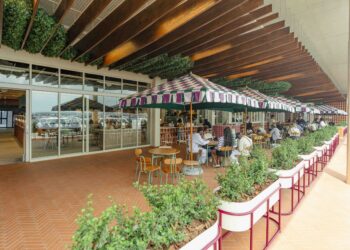
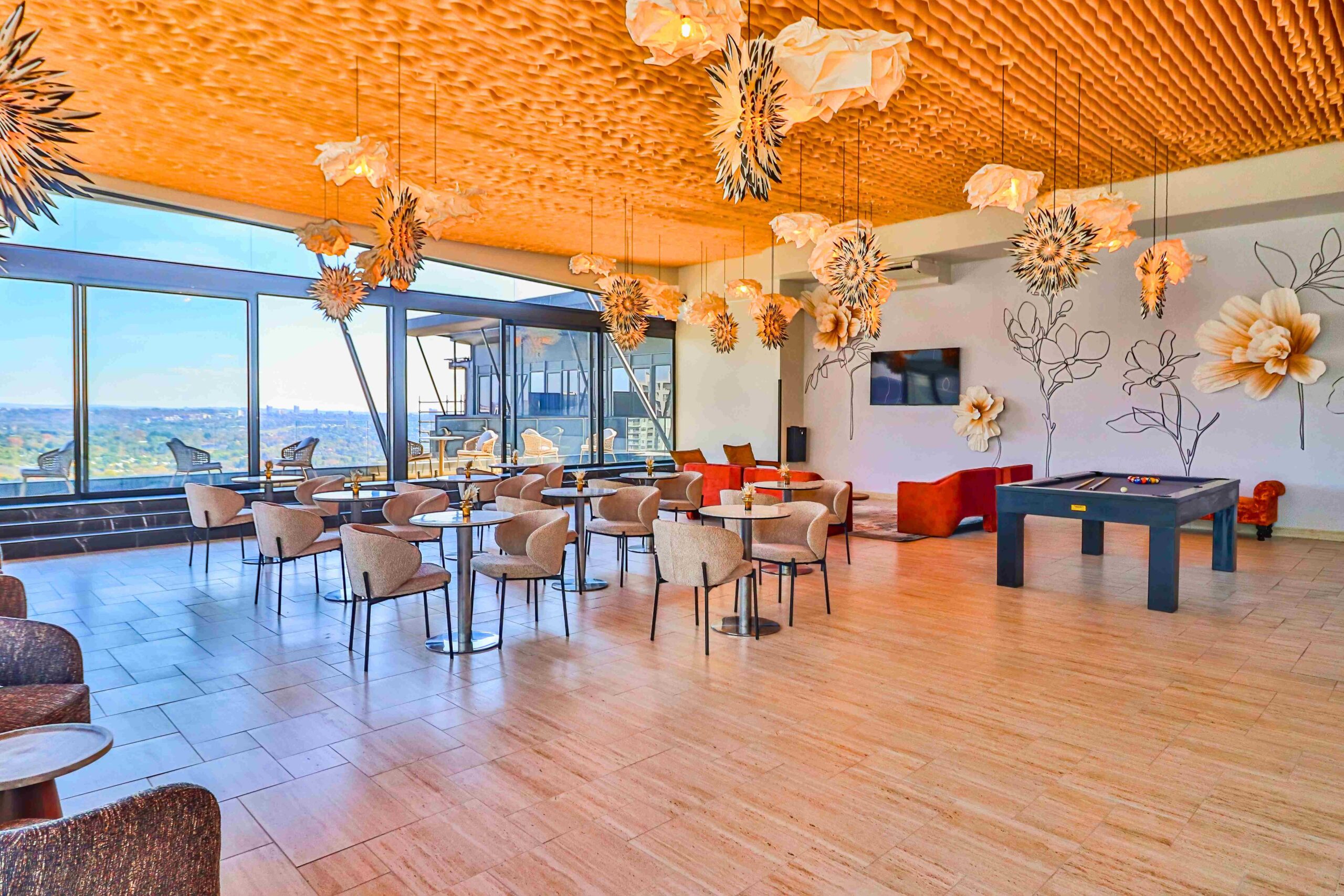
Rather than treating shared areas as attractive features for photographs, the approach focuses on creating environments where residents can meet and build relationships through everyday encounters.
The objective is to establish the conditions for genuine connections to develop, making community an integral part of the living experience rather than an occasional activity.
From Traditional Clubhouses to Active Lifestyle Hubs
Houss Rentals is pursuing a similar goal through the transformation of traditional estate clubhouses into what it describes as “active lifestyle hubs”.
These spaces bring together different elements of daily life. Seated restaurants cater to weekend evenings, while R14 express coffee shops serve daytime workers. Convenience stores also allow residents to purchase everyday essentials without leaving the estate.
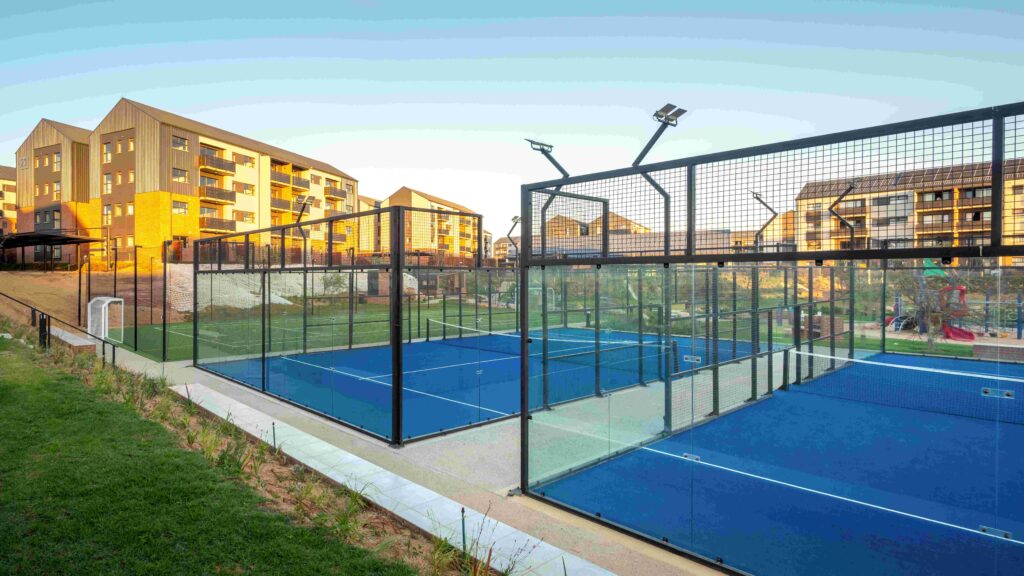
Free-to-resident padel courts are another central feature. The sport has been strategically selected as a social activity, with tournaments and workshops offered at no charge.
“We made the strategic decision to provide Padel as a free amenity with regular tournaments and workshops at no charge, fostering a genuine sense of community rather than just providing a facility. We aren’t just giving tenants a place to sleep; we are providing a fully serviced urban village,” says Martin O’Connell, Head of Marketing at Houss Rentals.
The approach reflects a broader shift in how residential rental developments can support residents beyond their individual homes. By combining convenience, recreation and opportunities for social interaction, these estates aim to make everyday life more connected.
The Scale Behind South Africa’s Multifamily Rental Sector
Divercity, Africrest and Houss are members of the South African Multifamily Residential Rental Association (SAMRRA), the representative body for South Africa’s institutionally owned and professionally managed multifamily residential rental sector.
SAMRRA’s membership includes institutional landlords managing more than 75,000 residential units across approximately 550 properties, with a combined value exceeding R72 billion.
Unlike conventional residential properties that may be purchased for individual occupation or rental, this privately owned housing stock is specifically designed for renting. It is typically owned by institutional investors and managed by specialist operators.
These large-scale rental estates and residential precincts provide investors with consistent long-term income while creating opportunities to manage shared facilities and resident experiences across entire developments.
That scale also creates an opportunity to make community-building part of the way residential environments operate. According to the sector’s approach, investing in stronger social connections can benefit residents while supporting the commercial performance of rental properties.
Why Community Matters for Tenant Retention
The value of community extends beyond social events and shared facilities. For rental operators, it can also influence whether residents choose to renew their leases.
Divercity’s Botha points to the relationship between resident engagement, responsive management and retention.
“Residents who attend events, who use shared spaces, who feel their building responds when something goes wrong, stay and tell their friends. The data reflects that, but the data is the outcome, not the cause. The cause is community.”
Africrest reports similar observations from conversations with residents considering lease renewals.
“When you ask a resident why they are renewing, they rarely cite the gym or a pool,” says Blend. “They cite the fact that when they had a problem, someone came. They cite the fact that they feel safe — not because of a gate, but because of the community around them.”
These perspectives highlight the role of day-to-day experiences in shaping how residents feel about where they live. Well-maintained facilities remain important, but so do responsive management, a sense of safety and the opportunity to develop relationships with neighbours.
For rental operators, the challenge is therefore not simply to provide attractive buildings. It is to create living environments in which residents feel supported and connected.
Housing Should Offer More Than Shelter
For SAMRRA CEO Palesa Mkhize, community is inseparable from the broader purpose of providing quality rental housing.
“Housing that works is housing where people feel at home. That starts with a well-maintained unit, but also means neighbours who look out for each other, spaces that bring people together, and a management model that treats residents as members of a community rather than co-parties to a contract. That is what our members are building, and it matters far beyond the balance sheet,” says Mkhize.
Her perspective captures the central argument behind the sector’s growing focus on community: a home is about more than the physical space a person occupies. The surrounding environment, the people within it and the quality of management can all shape the experience of living there.
As South Africa’s cities continue to urbanise, the ability of multifamily rental developments to provide both shelter and belonging is becoming an increasingly important part of the conversation about residential living.
For residents building new lives away from established support networks, a well-designed apartment may provide the starting point. Shared spaces, thoughtful management and opportunities to connect can help turn that apartment into a place where they feel at home.
For the rental sector, the message is clear: building successful residential communities means thinking beyond the buildings themselves and recognising the human connections that make them places to live.