
What happens when engineering theory leaves the classroom and enters a working manufacturing plant?
For students at Nelson Mandela University (NMU), the answer is practical experience, industry mentorship and the opportunity to tackle challenges that exist beyond a textbook.
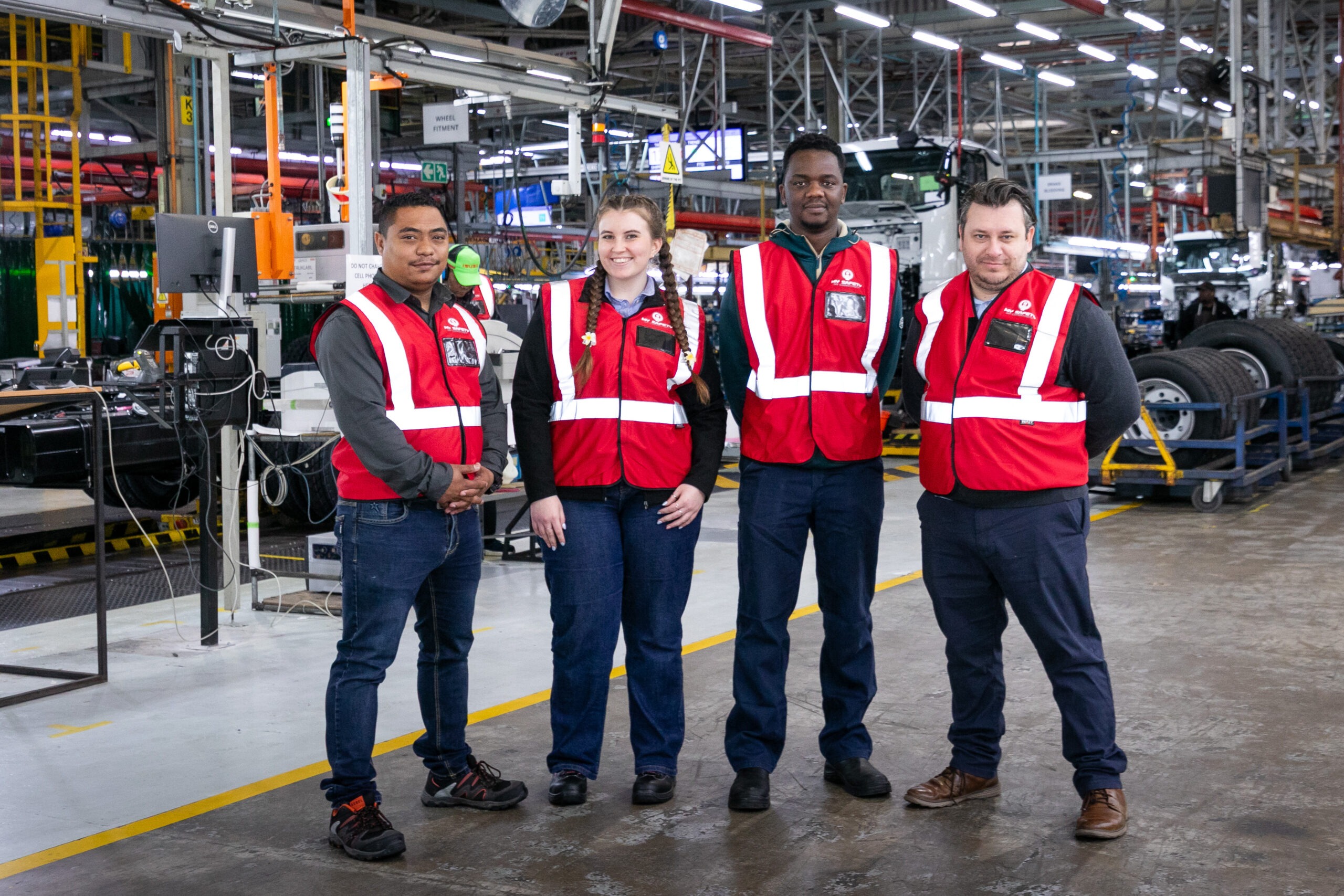
Isuzu Motors South Africa (IMSAf) and NMU are strengthening their industry-academia partnership through the ISUZU Chair of Mechatronics, giving students exposure to real-world manufacturing challenges at IMSAf’s manufacturing plant in Gqeberha.
The partnership is designed to help develop the next generation of engineering talent by connecting academic learning with the practical skills needed in an increasingly technology-driven manufacturing environment.
Since 2018, IMSAf has invested R2.3 million in the ISUZU Chair of Mechatronics.
That investment has already benefited 276 students through industry-linked projects, plant exposure, mentorship and access to IMSAf engineers and technical specialists.
The next goal is even bigger.
The partnership aims to expose 400 Mechatronics students to industry by 2030.
From the classroom to the manufacturing floor
The relationship between IMSAf and Nelson Mandela University goes back even further.
The organisations have maintained a collaborative relationship since 2009, with the current partnership building on that foundation.
For IMSAf, the focus is not simply on financial support.
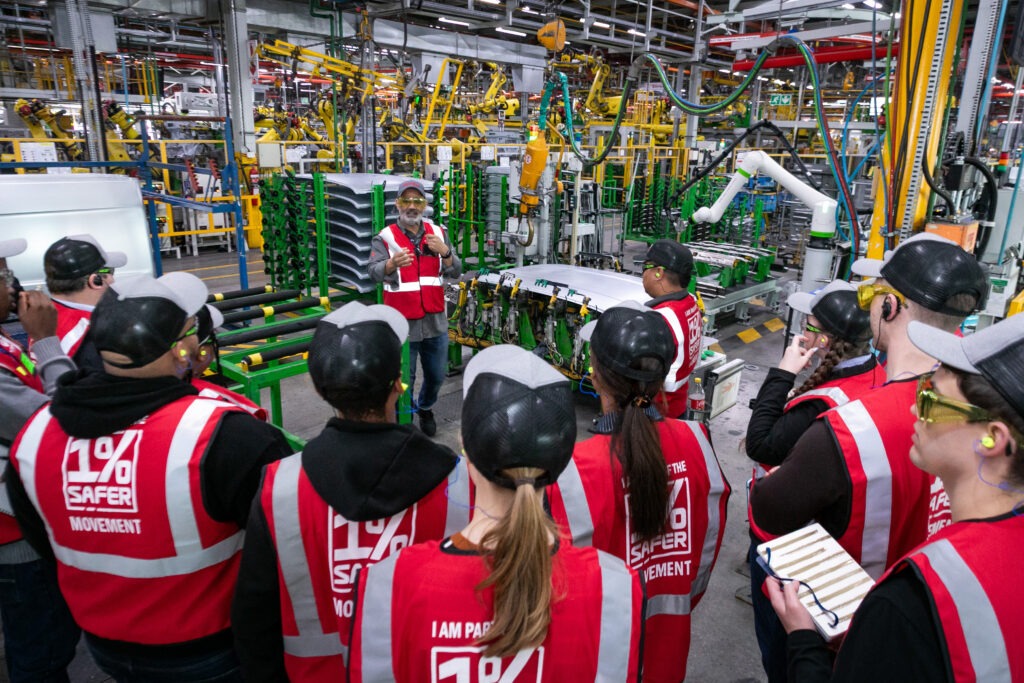
Students engage directly with IMSAf engineers and technical specialists through industry-linked projects, mentoring, plant visits, guest lectures and technical guidance.
This gives students an opportunity to take what they learn academically and test it against the demands of an operating manufacturing environment.
Nandi Matomela, Department Executive Corporate Affairs at Isuzu Motors South Africa, says bringing industry and academia closer together is important for developing future engineers.
“Developing future engineers requires both strong academic foundations and opportunities to apply that knowledge in the real world,” said Matomela.
She added that opening the manufacturing environment to students gives them access to engineers, technologies and real manufacturing challenges.
The business also benefits from the fresh thinking and different perspectives students bring.
A real manufacturing challenge
One of the clearest examples of the partnership in action is a third-year cab and load-box transfer project involving 20 students.
The students visited IMSAf’s manufacturing plant and worked with technical personnel to explore potential solutions.
But this was not simply an academic design exercise.
Students had to consider the practical demands of production, including safety, reliability, automation, production pace and maintainability.
The challenge required them to think beyond whether a design works in theory.
They had to consider how an engineering solution would perform under real manufacturing conditions.
That distinction can be critical when moving from university into the workplace.
Engineering with a purpose
For Lomelelo Nogilana, a third-year Mechatronics Engineering student at Nelson Mandela University, the experience offered a different perspective on applying engineering knowledge.
“Working on a real manufacturing challenge allowed me to apply the theory I have gained over the past three years in a practical industry environment,” said Nogilana.
The experience, he said, strengthened his problem-solving skills and deepened his understanding of automation and robotics.
It also reignited his passion for automation and gave him insight into how engineering is applied beyond the classroom.
Nogilana said that experience will be valuable as he prepares for his future career.
Building, programming and testing ideas
The practical learning does not end with plant visits.
Students also use their multidisciplinary engineering knowledge in innovation projects that require them to design, build, programme and test working systems.
These projects provide further opportunities to develop technical and problem-solving capabilities.
Professor Theo van Niekerk of Nelson Mandela University says industry exposure complements academic development by helping students understand how engineering decisions are made in practice.
“Engineering education is strongest when students can connect what they learn in the classroom with the challenges they will encounter in practice,” said Van Niekerk.
He added that the partnership gives students access to an industrial environment where they can engage with real engineering challenges and experienced professionals.
The goal, he said, is to develop graduates who are better prepared to contribute to industry and the economy.
Preparing for a changing manufacturing sector
The partnership comes as manufacturing continues to evolve through greater integration of automation, robotics, digital technologies and multidisciplinary engineering.
For students, that changing environment creates a need for technical knowledge that can be applied in practical settings.
For IMSAf, the partnership also creates an opportunity for its engineers and technical specialists to contribute directly to developing future talent.
By sharing their expertise and exposing students to opportunities within automotive manufacturing, the company is helping students gain a clearer understanding of the sector they may eventually enter.
“The students we expose to industry today are the engineers, innovators and problem-solvers who will help shape the manufacturing sector of tomorrow,” added Matomela.
Driving futures through education
The ISUZU Chair of Mechatronics forms part of IMSAf’s broader Driving Futures Through Education commitment.
The initiative creates opportunities for young people while contributing to the skills and capabilities required for the future of South African manufacturing.
Through sustained collaboration between education and industry, IMSAf says it continues to invest in the people and capabilities that will help shape the future.
It is an approach that brings the classroom and manufacturing floor closer together.
And for the students stepping into that environment, the lesson is bigger than theory.
Engineering is not only about understanding how something should work.
It is also about understanding how to make it work in the real world.
That is where the partnership between Isuzu Motors South Africa and Nelson Mandela University is creating a bridge between education, industry and the engineers of tomorrow.
Moving the World – For You.