For centuries, the canon of global art history has celebrated names like Picasso, Warhol, Basquiat, and Pollock — overwhelmingly male figures whose work dominated institutions, auction houses, and public imagination. Yet, in contemporary African art, a new chapter is being written. Women are no longer just participants in this story — they are its authors, innovators, and leaders.
Across Lagos, Johannesburg, Nairobi, Dakar, and beyond, African women artists are reshaping what it means to create, to represent, and to lead. Their canvases, sculptures, performances, and installations do more than decorate galleries — they interrogate history, reclaim identity, and ignite conversations about power, memory, and belonging. They are not just making art. They are making change.
A Renaissance Led by Women
This rise is both cultural and generational. Through their work, African women artists are transforming representation into equity and equity into true inclusion. Their practice is unapologetically African, boldly feminine, and deeply transformative.
From dreamlike imagery to provocative political storytelling, these artists engage with ancestral memory, gender narratives, and pressing social issues. In their hands, art becomes activism, healing, and reclamation — a force that refuses to be ignored.
Power on the Canvas: 15 Years of the FNB Art Prize
The FNB Art Prize has been a mirror of this shift. Over the last fifteen years, its winners have not only reflected artistic excellence but also embodied cultural transformation:
-
Portia Zvavahera – Known for her dreamscapes and spiritual visual language.
-
Peju Alatise – Exploring mythology and girlhood through multidisciplinary storytelling.
-
Bronwyn Katz – Interrogating land, memory, and identity through tactile installations.
-
Lady Skollie – Boldly provocative, challenging taboos with unapologetic energy.
Through the platform of FNB Art Joburg, these artists have taken centre stage, positioning African creativity on par with the world’s leading cultural expressions.
Building on Legacy
Today’s momentum is possible because of trailblazing visionaries who carved space before the movement had language. The late Koyo Kouoh reshaped institutions from Dakar to Cape Town and influenced global spaces like the Venice Biennale before her untimely passing. Similarly, the late Bisi Silva founded Lagos’ Centre for Contemporary Art, nurturing generations of creatives who would later expand Africa’s artistic footprint across the world.
Their work proved that contemporary African art is not peripheral — it is global, vital, and indispensable.
The Future is Inclusive
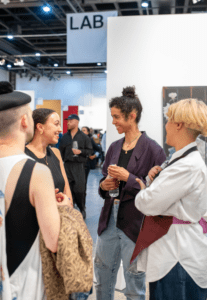 Looking ahead, the future of African art belongs to those who dare to disrupt, experiment, and dream beyond boundaries. Women are at the forefront of this evolution, not in isolation but in collaboration with peers of all genders, creating a landscape that is expansive, inclusive, and globally resonant.
But for art to be truly transformative, representation alone is not enough. Representation must translate into equity. Equity must evolve into inclusion. And inclusion must reshape institutions into sustainable ecosystems that amplify diverse voices for generations to come.
A Call to Action
Africa’s cultural infrastructure has taken meaningful steps toward celebrating diversity, but the challenge now lies in sustaining this progress. Galleries, museums, investors, and institutions must recognise that the true value of African art lies in its diversity — and that long-term cultural impact requires long-term commitment.
How Africa tells its story to itself, and to the world, will be determined by the spaces we build today.
When Women Rise, Art Leads Change
The women at the forefront of this movement prove that art is not a passive reflection of change — it is the very engine that drives it. Across studios, galleries, and cultural institutions, their presence is rewriting history. Their leadership affirms a powerful truth: when women rise, art doesn’t just echo transformation. It leads it.
Experience the Movement
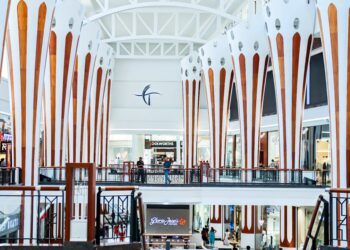
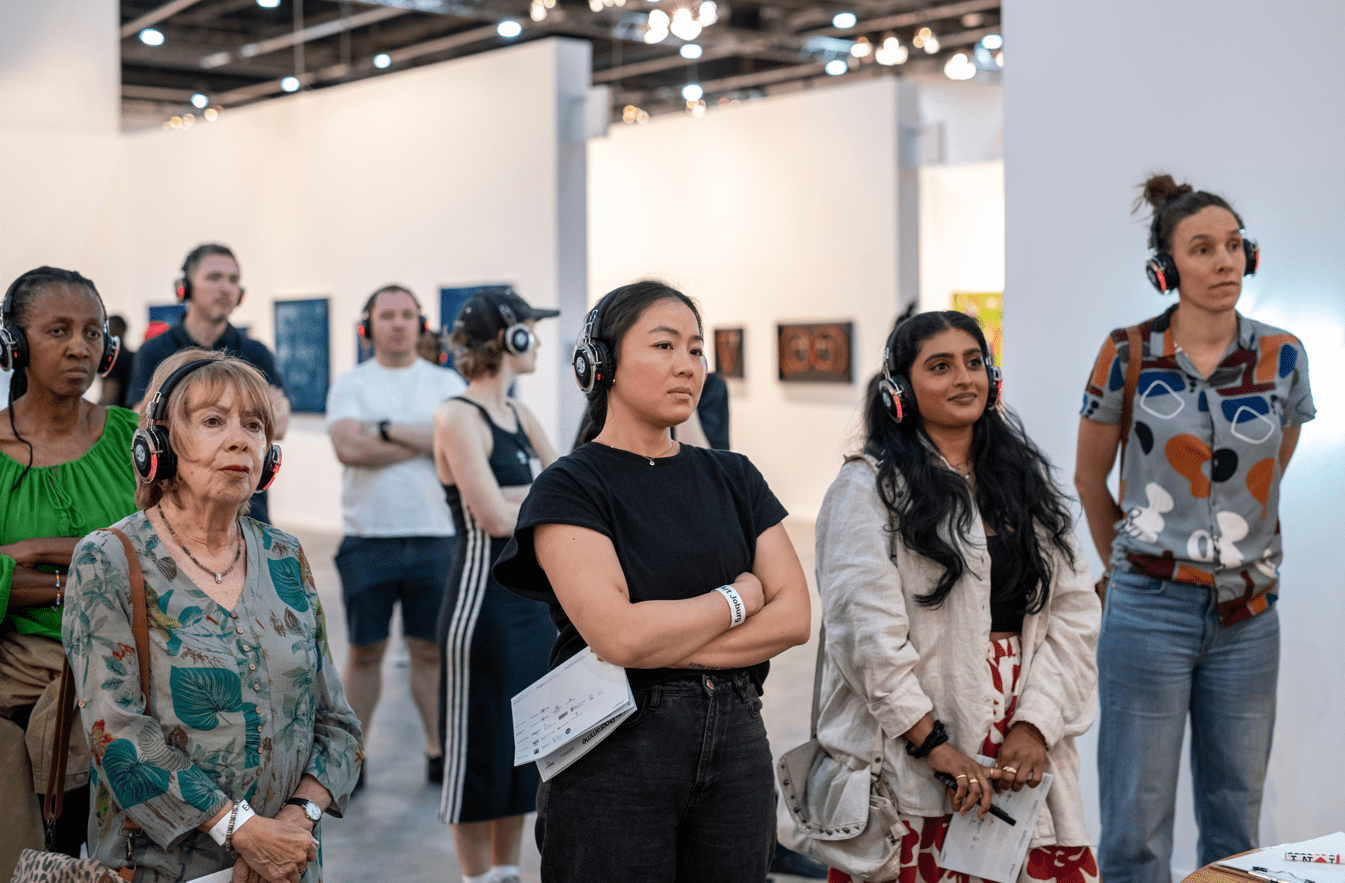
That truth will take centre stage at the 18th edition of FNB Art Joburg, opening on Friday, 5 September 2025, at the Sandton Convention Centre. Here, audiences will witness in real time how art leads the change — and how women are shaping Africa’s creative future.