
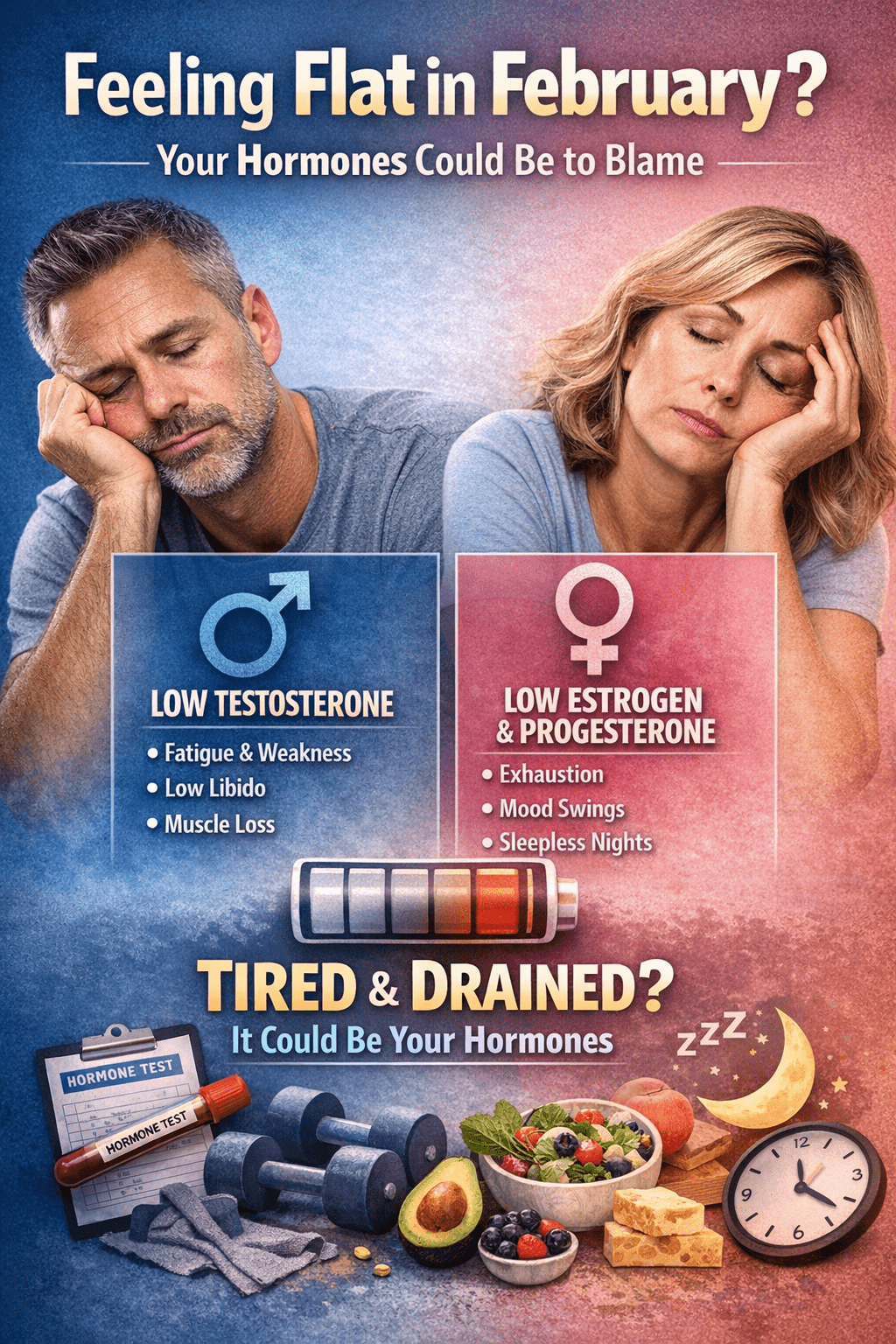
By February, the excitement of a new year has usually faded, yet the expectation remains: we should feel energised, motivated and ready to charge ahead. Instead, many people find themselves battling fatigue, low mood and a lingering sense of flatness — even after rest and routine return.
According to health experts, this seasonal slump may not be about motivation at all. It could be hormonal.
As we age, natural changes in hormone levels — particularly declining testosterone in men and falling estrogen and progesterone in women — can significantly affect how strong, alert and energised we feel.
“Sex hormones play a vital role in maintaining energy, mood, muscle mass and bone strength,” explains Ingrid Singels, Associate Director of Pharma Dynamics’ Scientific Division. “When these hormones decline, their impact is felt both physically and mentally.”
How Hormones Affect Strength and Energy
Research shows that low testosterone in men is strongly associated with reduced muscle mass, persistent fatigue and a lower capacity for physical activity. For women, especially during the menopausal transition, declining estrogen levels are linked to disrupted sleep, mood changes and cognitive fog — all of which intensify daytime tiredness.
“These hormones don’t just regulate reproduction,” says Singels. “They help maintain the systems that make us feel resilient, motivated and physically capable. When levels decline, recovery after exercise slows, energy drops and even motivation can take a hit.”
Signs of Hormonal Imbalance in Men
Men experiencing low testosterone may notice:
-
Persistent tiredness and reduced exercise tolerance
-
Loss of muscle mass despite regular training
-
Low libido or erectile difficulties
-
Weight gain around the abdomen
-
Low mood or irritability
A condition known as late-onset hypogonadism, or low testosterone, becomes more common with age. Studies show that between 20% and 40% of men over 45 have lower-than-normal testosterone levels. About four in ten men over 45, and half of men in their 80s, are affected.
Testosterone levels typically decline by about 1% per year after age 30, although they never disappear completely. Because symptoms can overlap with stress or ageing, the condition often goes unnoticed, misdiagnosed or, in some cases, overtreated.
Signs of Hormonal Imbalance in Women
For women, declining estrogen and progesterone levels can present as:
-
Worsening fatigue and disrupted sleep, often due to hot flashes or night sweats
-
Irregular or absent menstrual cycles
-
Mood swings, anxiety or brain fog
-
Loss of muscle tone and declining exercise capacity
-
Vaginal dryness or reduced libido
“Menopause is a natural life stage, but that doesn’t mean women should suffer in silence,” says Singels. “Hormonal fluctuations have real physical and emotional effects, and addressing them can significantly improve quality of life.”
When to Test Hormone Levels
If fatigue, weakness or low motivation persist, Singels advises against simply pushing through.
“These symptoms are often blamed on stress, ageing or a busy lifestyle,” she says. “But sometimes there’s an underlying hormonal reason that can — and should — be addressed.”
For men, testosterone levels are tested via a simple morning blood test, when levels are highest. If results are low, the test is repeated before a diagnosis is made.
For women, diagnosis is more nuanced. Because estrogen and progesterone fluctuate naturally throughout the menstrual cycle and change with age, doctors rely on a combination of symptoms, age, medical history and menstrual history, rather than blood tests alone.
The Value of a Mid-Life Checkup
Singels recommends a comprehensive mid-life health checkup as one of the most effective ways to stay ahead of hormonal changes. This allows healthcare providers to review family history, screen for common mid-life conditions such as thyroid disorders, diabetes and high blood pressure, and establish a baseline for tracking hormonal shifts.
“This is especially valuable for women approaching menopause,” she notes, “but it can also uncover health issues unrelated to hormones that may be contributing to fatigue.”
“A mid-life checkup isn’t just about finding problems. It’s about understanding where your body is now, so you can protect your health and feel your best in the years ahead.”
She cautions against self-diagnosis or using so-called natural “hormone boosters” without medical advice. “All treatment should be evidence-based, monitored and guided by a healthcare professional.”
Lifestyle Habits That Support Hormone Balance
While hormonal decline is a natural part of ageing, lifestyle habits play a powerful role in how strongly those changes are felt.
Keep moving, especially with resistance training
Strength training helps preserve muscle mass, supports metabolism and promotes healthier testosterone and estrogen levels. Activities like brisk walking, yoga, swimming and bodyweight exercises also improve circulation and energy.
Prioritise sleep
Poor or irregular sleep disrupts hormone production — including testosterone, estrogen and cortisol. Aim for at least seven hours of consistent, quality sleep each night.
Manage stress
Chronic stress increases cortisol, which suppresses testosterone and estrogen production. Mindfulness, breathing exercises and spending time outdoors can help restore balance.
Eat to nourish hormone health
A balanced diet with lean protein, whole grains, healthy fats, fruits and vegetables supports muscle repair and hormone production. Nutrients such as magnesium and omega-3 fatty acids are particularly beneficial.
Address underlying health conditions
Conditions like thyroid disorders, insulin resistance, anaemia or sleep apnoea can worsen fatigue and disrupt hormone balance. Early treatment can dramatically improve energy levels.
Limit alcohol and stop smoking
Both alcohol and nicotine negatively affect hormone production, muscle recovery and sleep quality. Reducing or eliminating them helps restore the body’s natural rhythm.
“Small, consistent changes — moving more, eating well, resting properly and managing stress — can make a big difference to how you feel,” says Singels.
“With the right lifestyle habits and proper testing where needed, your body can adapt to natural hormonal changes, helping you regain strength and start the year feeling truly energised.”