As the country marks Tourism Month 2026, new arrival figures show that Africa is becoming an increasingly important source of visitors. The growth is not simply visible at the border. It is also showing up in hotel bookings, longer stays and stronger regional business travel.
In July, 991 696 international tourists arrived in South Africa. That is 12% higher than July last year.
The figure takes the country’s international arrivals for 2026 to 6 576 169, representing growth of 12.4% compared with the same period last year.
But the most revealing part of the numbers may be where those visitors are coming from.
 Africa is growing faster than long-haul markets
Arrivals from elsewhere on the African continent have increased by 14.3% so far this year.
By comparison, overseas arrivals have grown by 5.7%.
That means African markets are growing at roughly two and a half times the pace of long-haul markets.
Tourism Minister Patricia de Lille has positioned this shift as part of a deliberate strategy rather than a coincidence.
The numbers offer an important perspective at a time when the tourism sector has faced questions about whether public sentiment around immigration could discourage international visitors.
The latest figures tell a different story.
Africa is coming to South Africa.
And increasingly, those visitors are staying, working, spending and exploring.
Hotel bookings tell the same story
National arrival statistics show who is crossing South Africa’s borders.
Hotel booking data shows what happens after they arrive.
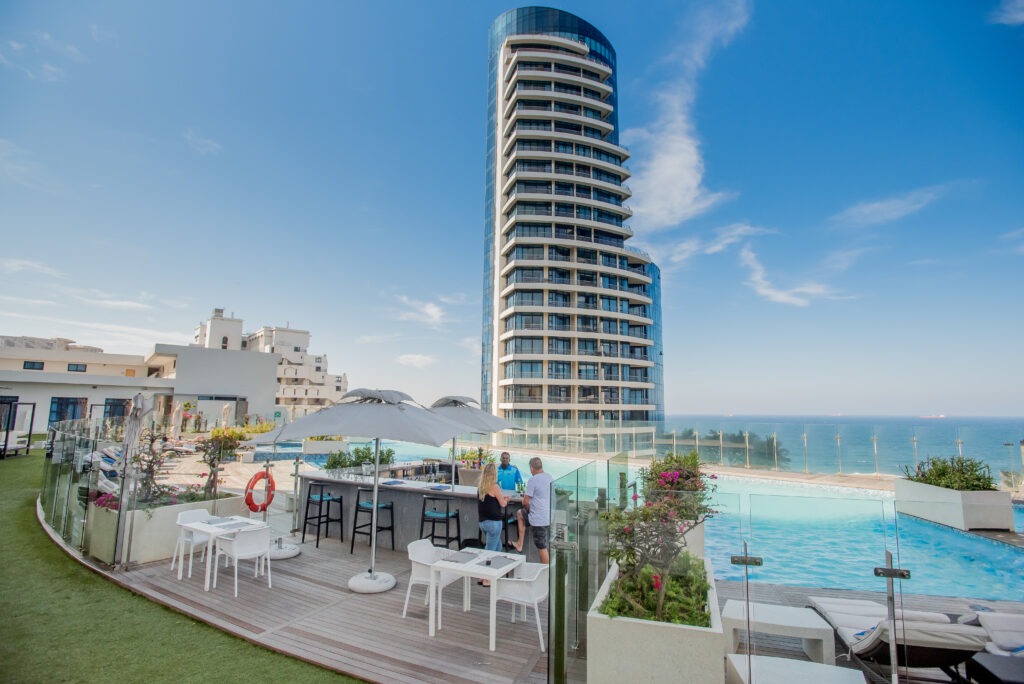
At The Capital Hotels, Apartments and Resorts, regional markets are showing strong growth across its portfolio.
Zambia recorded growth at eight of the group’s eleven properties where it is listed as a source market.
Kenya grew at six of ten properties.
Botswana and Eswatini are also trending upwards across the portfolio.
The pattern supports the broader national tourism figures.
As Garnet Basson, COO of The Capital Hotels, Apartments and Resorts, explains, regional business travel is expanding and travellers from across Africa have become an important market for South African hospitality.
The growth also reflects stronger commercial and cultural ties between South Africa and the rest of the continent.
South Africans remain the backbone
International tourism may be growing, but the domestic market remains vital.
South Africans currently account for more than 60% of Booking.com demand across The Capital’s twelve properties.
That provides a strong domestic foundation for the hotel group.
International markets continue to play an important role too. The United States was South Africa’s leading overseas source market for a second consecutive month in June.
The picture, therefore, is not about one market replacing another.
It is about a broader tourism ecosystem in which domestic, regional and overseas travellers each play a role.
The continental guest is staying longer
There is another trend hiding behind the arrival figures.
Visitors from the continent are not simply coming to South Africa. Increasingly, they are staying longer.
Across The Capital’s portfolio, the average length of stay remained stable year-on-year at 2.43 nights.
However, the monthly figures reveal a more interesting shift.
January and February recorded shorter stays than the same period in 2025.
From April, the trend changed.
Then came May.
Average stays increased from 2.32 nights to 2.57 nights, representing a 10.8% increase.
That matters because room-night growth outpaced booking growth in several months.
In simple terms, some of the growth came from people who were already travelling to South Africa and decided to stay longer.
Business trips are becoming more than business trips
Why are visitors staying longer?
The answer lies in a combination of familiar travel behaviours.
Regional travellers may extend business trips. Others add leisure days to work travel. Domestic travellers are also taking breaks closer to home.
Then there is the continued normalisation of bleisure travel — combining business and leisure in the same trip.
That creates a bigger economic opportunity.
A visitor who stays an extra few nights does more than occupy a hotel room.
They can eat at restaurants. They can book experiences. They can visit attractions. They can spend a Saturday exploring a destination instead of flying home.
As Basson puts it, regional tourism creates an opportunity to attract guests who are close enough to return regularly and comfortable enough to stay a little longer.
That is a powerful proposition for South African tourism.
One country. Different travellers. Different booking habits.
The Capital’s booking-window data also reveals how differently travellers plan their trips.
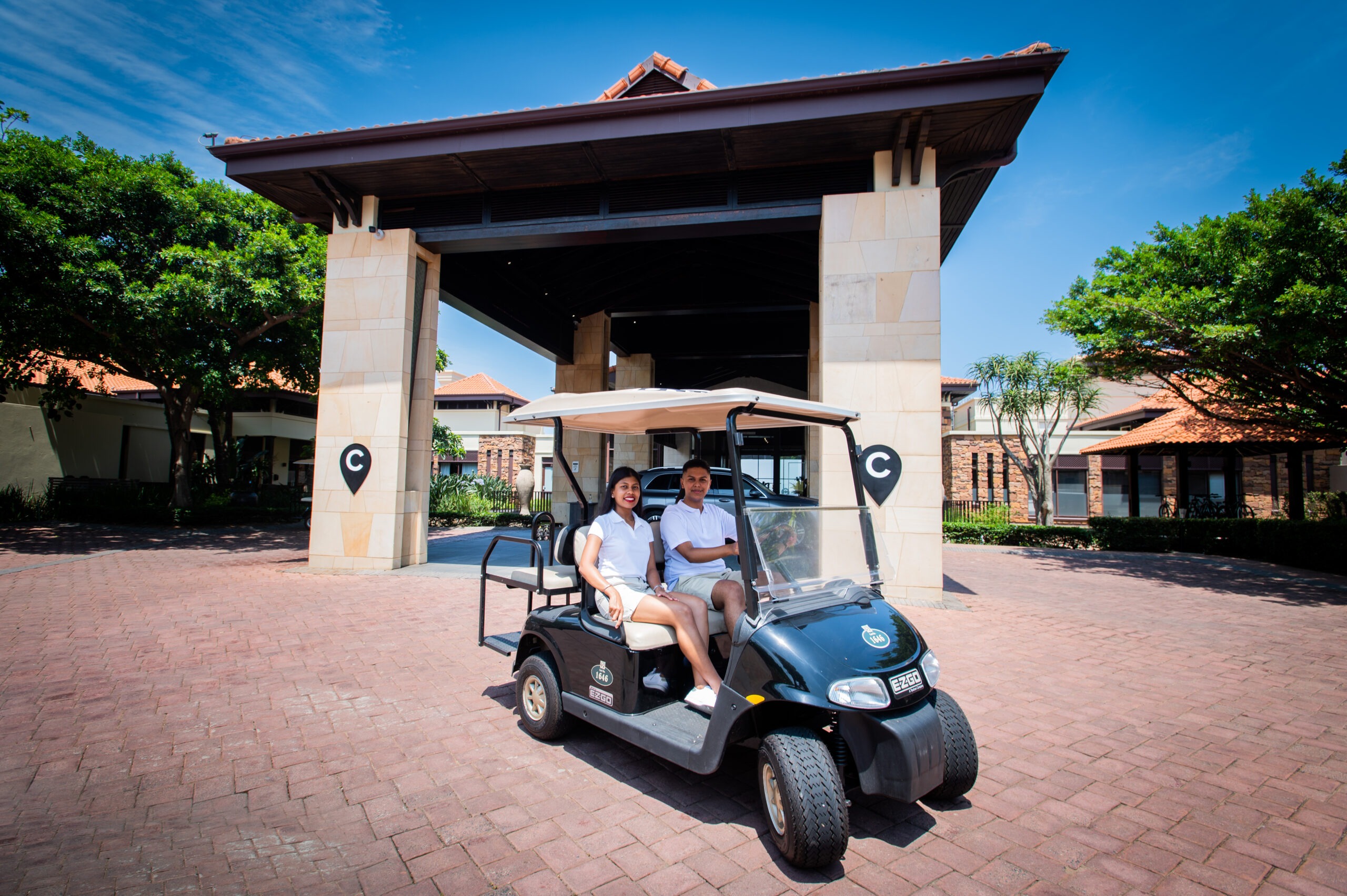
At Zimbali, the average booking window is more than 32 nights.
Some of the group’s more business-focused properties, however, operate with booking windows of roughly five to seven nights.
The contrast is significant.
Leisure travellers may plan more than a month ahead.
Business travellers can book within the same week.
For tourism operators, this makes one thing clear: there is no single approach to serving the market.
Regional demand requires flexibility.
That can influence everything from route and airline partnerships to how quickly a hotel can respond to a booking made only four days before arrival.
Tourism growth is ultimately about people
Tourism statistics can sometimes feel abstract.
A percentage increase can look like just another number.
But behind every arrival is a person who made a decision to come to South Africa.
That person needs somewhere to sleep.
They may need transport.
They may eat at a local restaurant, visit an attraction, attend a meeting, book a tour or extend their stay.
The economic impact can therefore reach far beyond the hotel room.
Tourism sustained 954 000 direct jobs in South Africa in 2024 and contributed 4.9% of GDP.
Those figures underline why the changing source-market landscape matters.
Africa is not just visiting. It is becoming central to the opportunity.
Tourism Month 2026 arrives with a compelling message.
South Africa’s tourism growth is being supported by international demand, but the African continent is emerging as one of its strongest engines.
The latest figures show faster growth from regional markets.
Hotel data shows increasing demand from countries such as Zambia, Kenya, Botswana and Eswatini.
And longer stays are creating opportunities for visitors to spend more time — and potentially more money — within the local economy.
The opportunity is bigger than attracting more arrivals.
It is about building a tourism sector that understands its neighbours, responds to regional travel patterns and gives continental visitors more reasons to return.
For South Africa, the next big tourism opportunity may not be thousands of kilometres away.
It may be much closer to home.