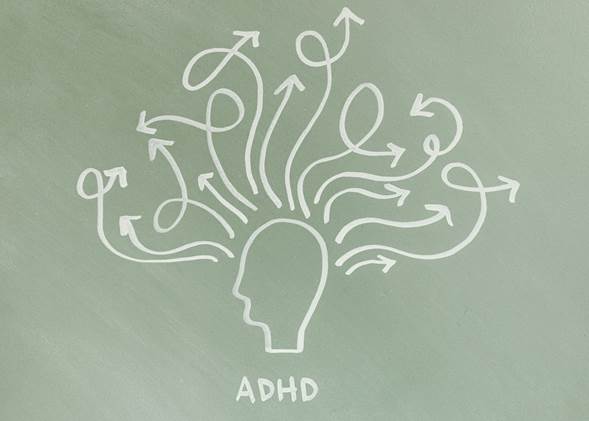
There is an increasing awareness globally of the impact of ADHD in the workplace. Yet in South Africa, the challenges and opportunities associated with neurodiversity in adults and specifically adults in the workforce, remain comparatively under-examined. This is to the detriment of both affected employees and companies overlooking the value neurodiverse individuals can bring to their teams, a leadership expert says.
According to a 2020 analysis from the National Center for Biotechnology Information, which assessed the global prevalence of adult ADHD, persistent adult ADHD stood at 2.58% and that of symptomatic adult ADHD was 6.76%.
This means a not-insignificant part of a given company’s workforce may be affected by ADHD.
“While recognition of and support for children with ADHD have increased significantly in the past decade or two, something that often goes undiagnosed and underreported is the prevalence of ADHD symptoms in the workforce,” says Debbie Goodman, bestselling business author andCEO at Jack Hammer Global, Africa’s largest executive search firm.
“Professionals with ADHD face unique challenges during hiring processes and assessments, and they may be overlooked for promotions despite their talents and capabilities. This reality negatively impacts both the employee and the company seeking to attract and retain top talent, but can be addressed with greater awareness of the positive potential contribution of individuals with ADHD, and by supporting neurodiversity in the workforce,” she says.
Goodman notes that in the past few years, there has been a rise in ADHD diagnoses occurring later in life, especially among women. Challenges associated with unreported or undiagnosed ADHD therefore often get conflated with non-optimal workplace behaviours, including timekeeping, organisation and distractedness.
“For individuals with ADHD, whether diagnosed or not, concealing their neurodiversity becomes a coping mechanism, perpetuating work-life challenges. High-functioning individuals may mask their symptoms by overcompensating and organising meticulously, leading to significantly increased stress. Additionally, fear of stigma and potential career limitations discourages disclosure.”
Goodman says it is important to understand that ADHD is not a disability, but a different way of processing information. Furthermore, many professionals with ADHD are exceptionally talented, creative innovators.
To overlook these high-impact contributors is a missed opportunity for employers.
“Awareness and acceptance of neurodiversity are essential for creating supportive work environments, and a step in the right direction for companies to ensure they retain and get the best out of these employees,” she says.
“If organisations and leaders are truly supportive of diversity, inclusion, equity and belonging as a fundamental value, then neurodiversity and ADHD must become part of the conversation. Firstly by learning and understanding more about it, and secondly by destigmatising, normalising and modelling how to work in supportive and functional ways with people affected by it.”