In an age where music is streamed, skipped and shuffled in seconds, a slower, more intentional revolution is quietly reclaiming its space. Vinyl records — once dismissed as relics of a bygone era — are not just back. They are rising, steadily and powerfully, with global sales increasing for nearly two decades and surging by 13.7% in 2025 alone.
But this is more than nostalgia.
It’s a cultural reset.
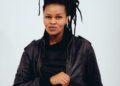
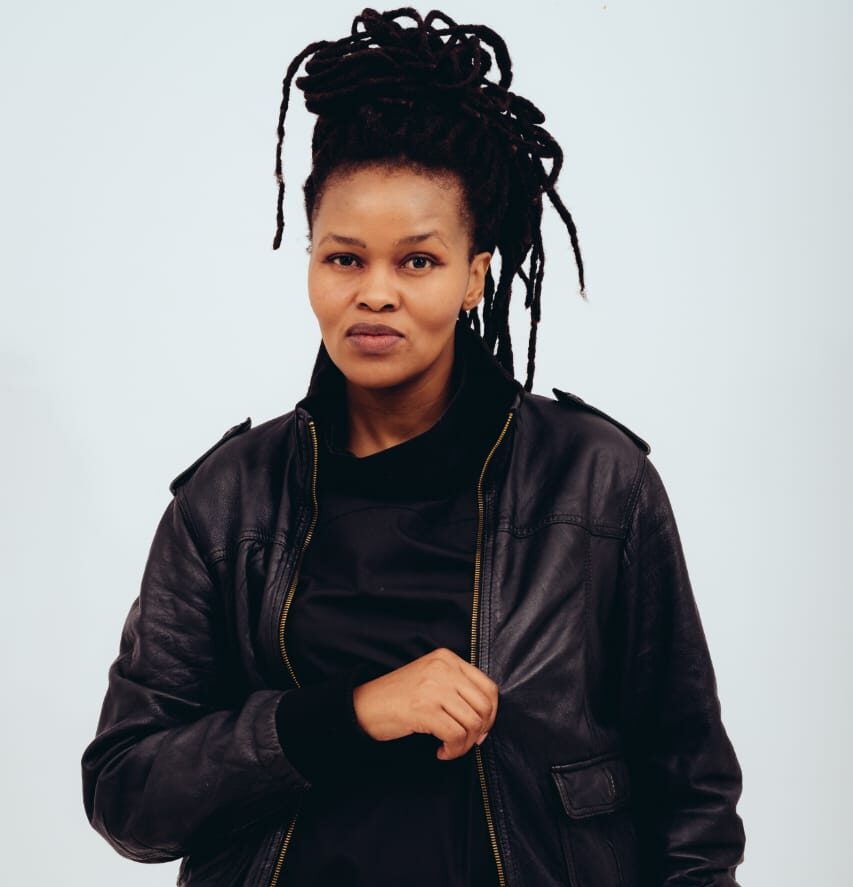
And at the centre of that movement stands Vinyl Camp — not merely as a platform, but as a living, breathing ecosystem where sound, identity and community converge. This Human Rights Month, Vinyl Camp turns its spotlight on a voice that embodies that intersection with striking authenticity: Lady More.
A Journey Rooted in Sound Before Spotlight
Long before the decks, before the crowds, before the recognition — there was a home filled with music.
For Lady More, the origin story is intimate and deeply personal. It begins with her late grandfather, spinning feel-good records on a vinyl player. What may have seemed like ordinary moments at the time would quietly plant the seeds of something far greater.
There was curiosity. There was observation. And then, there was experimentation.
Alongside her sister, she began navigating cassette systems — recording songs off the radio, testing transitions, learning rhythm not from tutorials, but from instinct. These weren’t just childhood memories. They were foundational.
They shaped not just her ear, but her relationship with music itself.
A Defining Moment in Kanana
The journey sharpened in 2010, in Kanana — a township in the City of Matlosana, North West. It was here, watching her cousin command the decks in a live setting, that something clicked.
What had been curiosity became clarity.
The path forward was no longer abstract.
It was tangible.
Shortly after, she enrolled at Fuse Academy in Newtown, Johannesburg — a move that transformed passion into profession. At the academy, she didn’t just learn how to DJ. She learned how to exist in the industry with purpose. From mastering vinyl and digital formats to understanding the nuances of performance, branding and sustainability, this phase cemented her direction.
And she never looked back.
The Language of Vinyl: Touch, Feel, Story
While Lady More is versatile across formats, her connection to vinyl runs deeper than preference — it’s philosophical.
Vinyl, for her, is not just sound. It is texture. It is discipline. It is intimacy.
It requires attention. It demands presence.
“There’s something about the rawness of vinyl,” she explains. “Learning how to read the grooves, understanding the music in a physical way — it becomes an experience.”
In a world obsessed with convenience, vinyl insists on connection.
And that connection defines her artistry.
A Sound That Refuses to Be Boxed
Lady More’s sets are not confined to a single genre. They are fluid, layered and deeply intentional. Moving seamlessly between deep house, electronic textures and jazz influences, she builds sonic journeys rather than playlists.
Each performance is alive.
Responsive.
Shaped in real time.
“I believe I am a storyteller,” she says. “I tell my story through the music I play.”
This storytelling approach transforms the dancefloor into something more profound — a shared emotional space where every beat carries meaning.
Vinyl Camp: Where Culture Meets Community
At the heart of her journey lies a powerful truth: music does not exist in isolation.
It thrives in community.
And this is where Vinyl Camp’s role becomes transformative.
More than an event, Vinyl Camp has evolved into a cultural hub — a meeting point for creators, collectors and listeners who understand that music is as much about connection as it is about sound.
“I have seen Vinyl Camp give people life-changing experiences,” Lady More reflects. “It’s not just about music, it’s about community, lifestyle and connection.”
In a fragmented world, spaces like this matter more than ever.
They create belonging.
They create identity.
They create freedom.
Human Rights Month: The Dancefloor as a Safe Space
In the context of Human Rights Month, Lady More’s perspective adds depth to the conversation around freedom and expression.
For her, the dancefloor is not just a place to enjoy music.
It is a space of liberation.
“Human rights, for me, mean I have the right to go wherever I want, to be myself, and not feel scared or inferior to exist in spaces.”
It’s a powerful reminder that cultural spaces are not separate from social realities — they are extensions of them.
And when done right, they become sanctuaries.
Challenges That Still Echo
Despite the progress, the industry is not without its fractures.
Lady More speaks candidly about the ongoing challenges — particularly gender inequality and disparities in recognition and pay.
“Artists should be recognised as artists, whether male or female.”
It’s a call not just for awareness, but for accountability.
Because true cultural progress cannot exist without equity.
Preserving the Past, Shaping the Future
Vinyl’s resurgence is not just about revival — it’s about preservation and evolution.
It invites a new generation to engage with music differently. To slow down. To listen with intention. To value artistry beyond algorithms.
At the same time, it opens doors for producers and DJs to create, press and share their work in tangible ways — extending the life of music beyond digital spaces.
It’s a culture built on exchange.
On mentorship.
On shared growth.
And Lady More stands as a bridge between those worlds — honouring the past while actively shaping what comes next.
A Message to the Next Generation
As her journey continues to unfold, her message remains disarmingly simple:
Start.
“If you are thinking of venturing into music, do it. Even if you are unsure, scared or tired — just do it.”
Because in that first step lies possibility.
And in that possibility lies transformation.
More Than Music
Lady More’s story, amplified through Vinyl Camp, is not just about DJing.
It is about identity.
It is about connection.
It is about freedom.
It is about the power of sound to bring people back to themselves — and to each other.
Or, as she beautifully puts it:
“Music is a love language. An act of kindness. Mi casa, su casa.”
And in a world searching for meaning, that might be exactly what we need.