
For generations, the ocean has represented freedom. But for many women, stepping into that freedom has not always come easily. Along South Africa’s coastline, surfing was long framed as a male-dominated culture, where women were often expected to watch from the shoreline rather than paddle into the waves themselves.
Today, that story is changing — and nowhere is the shift more visible than in Muizenberg.
In a deeply personal reflection written by Penelope Meniere of Workshop17, the story of women in South African surfing unfolds not through trophies or headlines alone, but through ordinary women making extraordinary choices: showing up, paddling out, and challenging the quiet fears that once kept them on the sand.
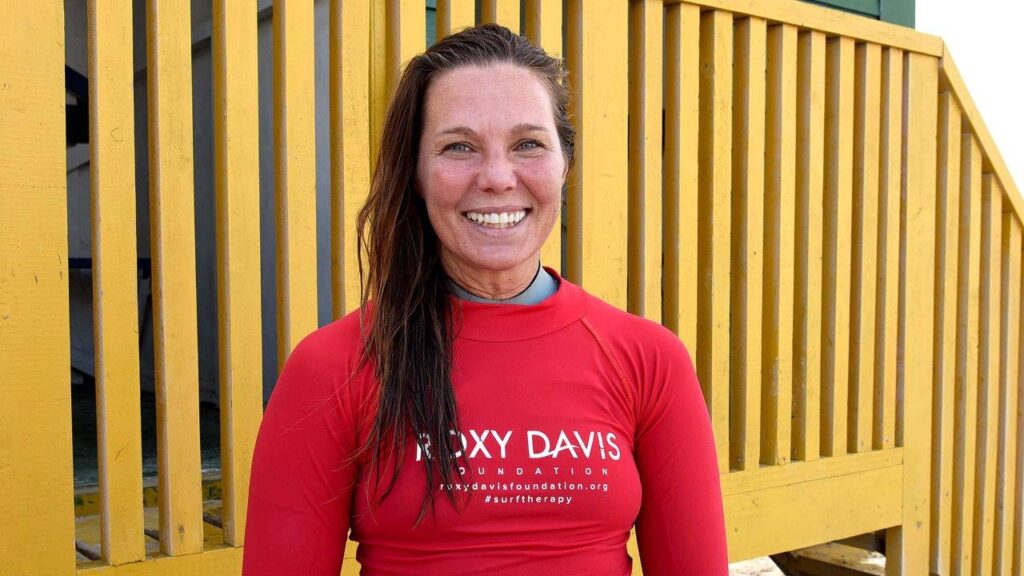
At 52 years old, Meniere herself began surfing despite a significant fear of sharks. Yet she discovered something far more powerful than fear in the waters of Muizenberg — community, courage, and the understanding that it is never too late to begin again.
A Century of Women Claiming Space in the Water
The roots of women’s surfing in South Africa stretch back more than 100 years.
In the 1920s, University of Cape Town student Heather Price became the first recorded female stand-up surfer photographed in South Africa after paddling out on a borrowed board in Muizenberg. What may have seemed like a fleeting moment would eventually become part of a much larger movement.
Decades later, women across South Africa continued pushing against the limitations placed on them within surf culture.
During the 1980s and 1990s, surfing culture often reinforced the idea that women belonged on the beach while men controlled the lineup. Yet pioneers like Wendy Botha shattered expectations, winning four South African national titles and four World Championship titles, proving South African women could dominate globally.
Then came one of the sport’s defining moments in 1999 at the Jeffreys Bay Open in Jeffreys Bay. Female surfers refused to compete in wave-less conditions, sitting together at the water’s edge in silent protest. Without placards or speeches, they delivered a message that resonated around the world: women were not there for spectacle — they were there to surf.
Another turning point arrived in 2018 when an image of teenage surfer Zoe Steyn holding a winner’s cheque worth half that of her male counterpart at the Ballito Pro ignited global outrage. The moment sparked conversations around equality in professional surfing and contributed to the World Surf League later introducing equal prize money across all divisions.
Muizenberg’s Quiet Revolution
While elite competition helped shift global conversations, the most profound transformation may have happened quietly in Muizenberg itself.
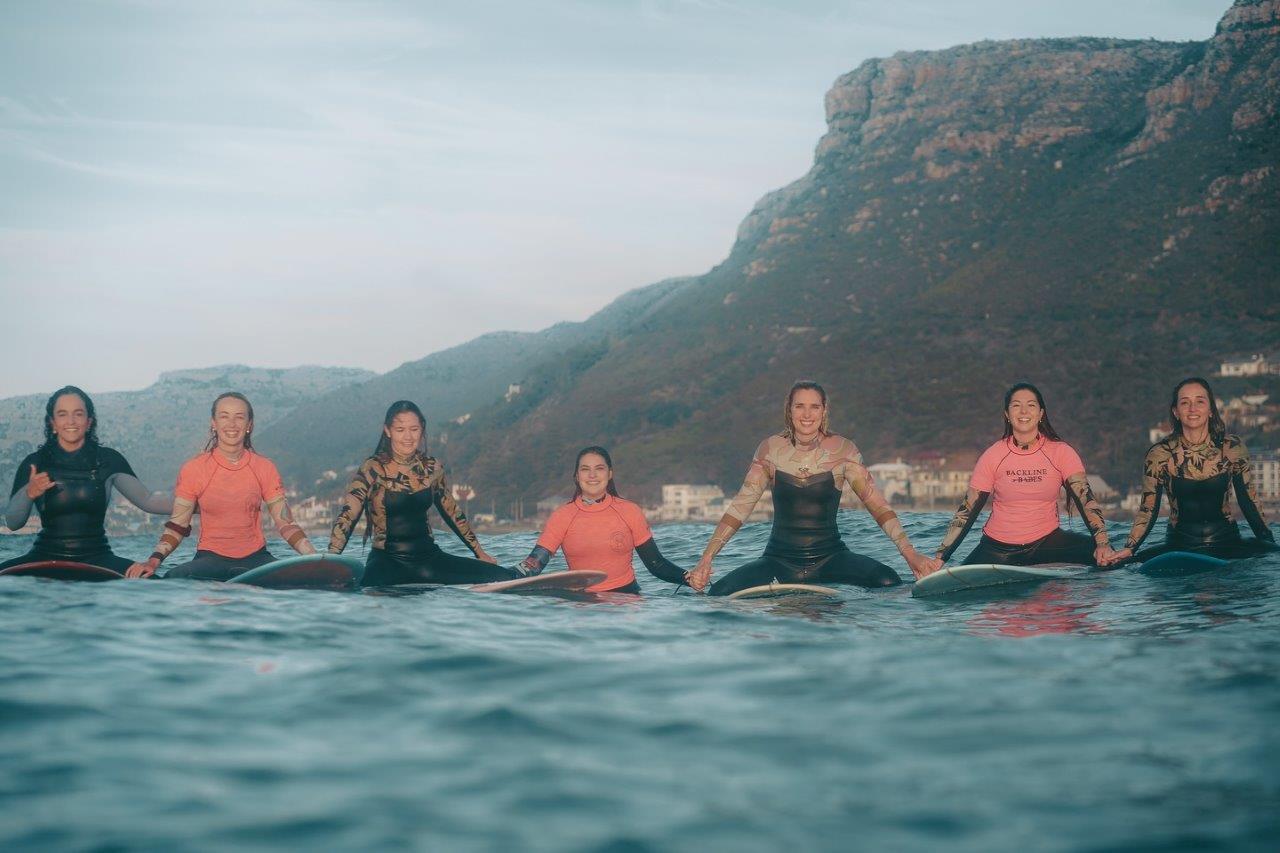
Local surfer Emma Horner noticed the subtle tension many women still experienced in the water — the sideways glances, the intimidation, the feeling of being unwelcome in the lineup. Instead of accepting it, she created a simple WhatsApp group called Backline Babes.
What started as a small support network exploded into a movement of more than 600 women.
The concept was simple yet powerful: women showing up for one another in the water.
“Strangers became surf sisters, confidence was shared wave by wave and courage became contagious,” Horner reflected.
Today, Backline Babes has become symbolic of a larger cultural shift. Women of all ages and backgrounds — mothers, students, teachers, creatives and professionals — are reclaiming space in the ocean together.
For many, the significance extends far beyond surfing itself. It becomes a lesson in possibility, resilience and self-belief.
More Than Surfing
The story unfolding in Muizenberg is not only about sport. It is about identity, visibility and belonging.
Women who once believed they were too old, too inexperienced, too afraid or too disconnected from surf culture are now paddling out together before sunrise. Young daughters are watching mothers pull on wetsuits for the first time. Communities are being built through shared vulnerability and encouragement.
This spirit of creativity and connection continues to shape Muizenberg’s evolving identity.
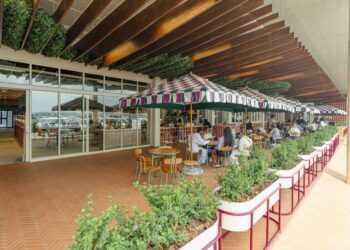
Later in 2026, Workshop17 Muizenberg will open its doors just metres away from Surfers’ Corner, adding another layer to a coastline already rich with stories of women creating spaces for themselves and others.
It feels fitting that on this same stretch of beach where women first challenged convention a century ago, new generations are still building communities rooted in courage, creativity and connection.
Because ultimately, the waves were never reserved for only a few.
They always had room for everyone.