

For years, smoking has largely been framed as a future problem.
A warning about what might happen decades later:
heart disease,
stroke,
lung damage,
cancer.
But health experts say there is another reality many smokers still underestimate.
The damage does not begin years from now.
It begins within minutes of lighting up.
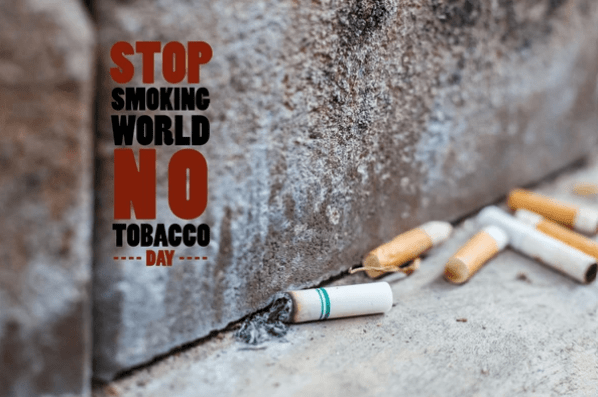
As the world marks World No Tobacco Day on May 31, healthcare professionals are urging South Africans to rethink smoking not only as a long-term health risk, but as an immediate and repeated cardiovascular stress event that places the heart under strain every single time a cigarette is smoked.
And according to Ingrid Singels, that strain is happening far more often than many people realise.
What Happens to the Heart Within Minutes of Smoking
The body’s response to smoking is both rapid and intense.
When a cigarette is smoked, nicotine enters the bloodstream quickly and stimulates the release of adrenaline — the hormone associated with the body’s “fight or flight” response.
The effects are almost immediate:
- heart rate increases,
- blood pressure spikes,
- blood vessels narrow,
- and the heart’s oxygen demand rises sharply.
At the same time, cigarette smoke introduces carbon monoxide into the bloodstream.
Carbon monoxide binds to haemoglobin — the molecule responsible for carrying oxygen throughout the body — reducing the blood’s ability to transport oxygen efficiently.
The result is a dangerous contradiction:
the heart is forced to work harder while simultaneously receiving less oxygen.
And crucially, this process is not isolated.
It repeats itself with every cigarette smoked throughout the day.
“A Repeated Shock to the System”
According to Singels, one of the biggest misconceptions about smoking is the idea that the cardiovascular effects only accumulate gradually over time.
“Each cigarette triggers a short, intense cardiovascular stress response,” she explains.
“Heart rate increases, blood pressure rises and oxygen delivery is compromised. For someone smoking regularly, this is happening multiple times a day — sometimes every hour.”
That means smoking is not simply a slow-moving health threat operating silently in the background.
It is a cycle of repeated physiological stress events constantly affecting the cardiovascular system.
“We often think of heart disease as something that develops slowly over years, but these immediate spikes place repeated strain on blood vessels and the heart itself,” Singels says.
Smoking, Diabetes and the Hidden Metabolic Risk
The cardiovascular impact is only part of the picture.
Research also shows that nicotine can interfere with the body’s ability to regulate blood sugar properly, contributing to insulin resistance and increasing the risk of developing type 2 diabetes.
For people already living with diabetes, smoking further worsens blood vessel damage and significantly raises the likelihood of serious complications.
This creates what health experts describe as a dangerous overlap between smoking, cardiovascular disease and metabolic illness — all of which remain major health challenges in South Africa.
South Africa’s Ongoing Tobacco Burden
The numbers remain sobering.
Globally, tobacco use is still among the leading preventable causes of death, claiming more than 7 million lives annually, including approximately 1.6 million non-smokers exposed to second-hand smoke.
In South Africa alone, tobacco-related illnesses claim more than 25,000 lives every year.
Smoking is estimated to kill up to half of its users.
And beyond the human impact, the economic burden is immense.
Tobacco use is estimated to cost South Africa approximately R42 billion annually through:
- healthcare expenses,
- lost productivity,
- and premature deaths.
For healthcare providers working closely within cardiovascular and metabolic care, the scale of preventable disease remains deeply concerning.
“As a company working closely with cardiovascular and metabolic health, we see firsthand how many patients are on chronic medication for heart and metabolic-related conditions,” says Singels.
“The scale of preventable disease is enormous.”
Why Prevention Matters More Than Ever
Pharma Dynamics says one of its core priorities is shifting public attention toward prevention rather than only treatment.
“The reality is that once someone is on lifelong medication for hypertension or heart disease, we are already managing the consequences,” Singels explains.
“Our goal is to reduce that pipeline in the first place through awareness and lifestyle change.”
Smoking cessation remains one of the most effective interventions available for reducing cardiovascular risk.
And importantly, recovery begins surprisingly quickly after quitting.
Within minutes:
- heart rate begins to normalise,
- blood pressure starts improving,
- and oxygen circulation becomes more efficient.
Over time, the cardiovascular system gradually begins repairing itself from repeated exposure.
Why Framing Smoking Differently Could Change Behaviour
Health experts believe reframing smoking as an immediate biological event rather than simply a distant future risk may resonate more strongly, particularly among younger smokers.
Many people still view cigarettes as something whose damage becomes visible only later in life.
But Singels says understanding the body’s instant reaction may shift that perception.
“People often underestimate what a single cigarette does in real time,” she says.
“It’s not just a future risk; it’s a present biological event affecting the heart every time you light up.”
A Shift From Awareness to Action
As World No Tobacco Day approaches, health professionals are encouraging smokers to seek support rather than attempt quitting alone.
In South Africa, resources provided by National Council Against Smoking include:
- telephonic counselling via the Smokers’ Quitline,
- WhatsApp support,
- and practical guidance for managing cravings and behavioural change.
For many smokers, understanding how quickly the body responds to smoking may become the turning point.
“When people realise their heart is responding within minutes — not years — it changes how they think about that next cigarette,” says Singels.
And perhaps that is the most important message of all:
the heart does not wait decades to feel the impact.
It feels it immediately.













Politically Aweh: Poll Dancing Brings Politics, Comedy and Facts to Cape Town