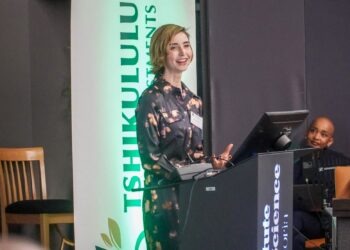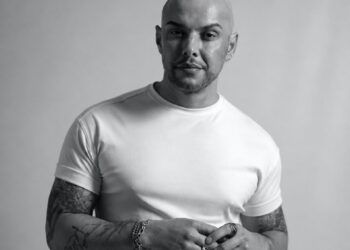
The applause echoed through The Venue at Nine Yards in Rosebank as contestants proudly crossed the stage, celebrating confidence, determination and personal growth. But behind the crowns, sashes and celebrations lay a far bigger story—one that raises difficult questions about disability inclusion in South Africa’s workforce.
The second edition of Afrika Tikkun’s Miss Ability and Mr Ability programme was far more than a pageant. It became a powerful platform challenging outdated perceptions around intellectual and learning disabilities while calling on employers, policymakers and society to rethink what inclusion truly means.
The number that framed the day’s message was not twenty finalists.
It was 1.3%.
Twenty Finalists. One Powerful Message.
Months before the event took place on Friday, 31 July 2026, contestants had already begun an extraordinary journey.
Across Afrika Tikkun’s Centres of Excellence in Alexandra, Braampark, Diepsloot and Orange Farm, auxiliary social workers spent months preparing participants through weekly rehearsals.
The focus extended well beyond walking a stage.
Contestants learned confidence, communication, posture, eye contact and public presentation—skills many had never previously been given the opportunity to develop before standing in front of an audience.
For many participants, those months of preparation represented the real achievement.
The pageant simply allowed the world to witness it.
Meet Afrika Tikkun’s 2026 Disability Inclusion Ambassadors
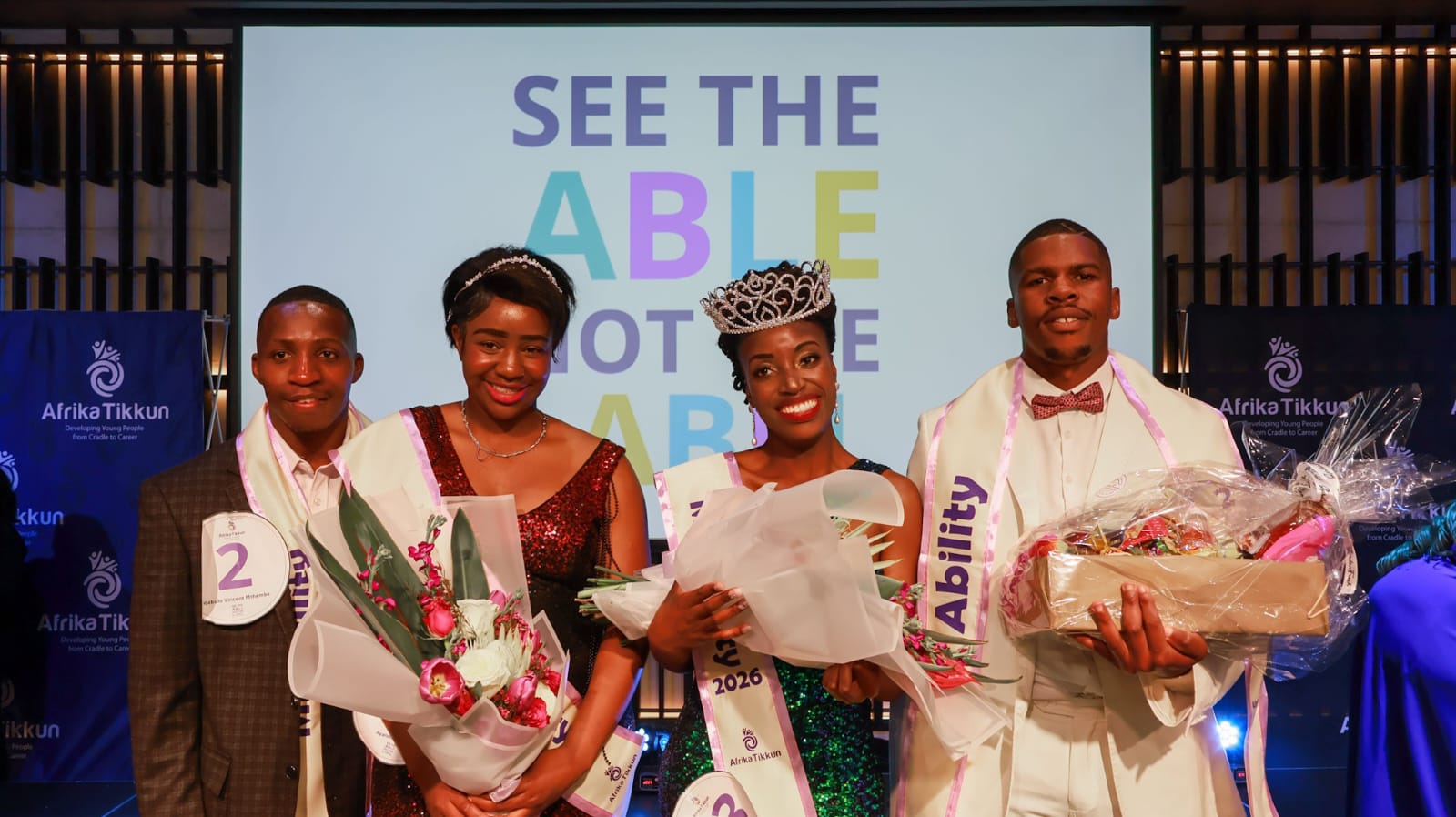
The evening celebrated four winners who will spend the next year serving as Disability Inclusion Ambassadors across Afrika Tikkun.
The 2026 titleholders are:
- Mr Ability 2026: Yanga Gongwana (25) from Orange Farm
- Miss Ability 2026: Nonhlanhla Nxasana (21) from Braamfontein
- Prince Ability: Njabulo Vincent Mthembu (27) from Alexandra
- Princess Ability: Ayanda Mncube (28) from Braamfontein
While the titles marked personal milestones, organisers emphasised that the broader mission extends far beyond a single evening.
The 1.3% That Should Concern Employers
According to South Africa’s Commission for Employment Equity, employees with disabilities account for just 1.3% of the workforce at organisations employing 50 or more people.
Although the Employment Equity Regulations, which came into effect on 1 January 2025, set a five-year sector target of 3%, organisers argue that the statistics tell only part of the story.
Very few of that 1.3% represent people living with intellectual or learning disabilities, leaving one of the country’s most overlooked groups largely excluded from formal employment opportunities.
For Lana Roy, Head of Disability and Inclusion at Afrika Tikkun, the issue is clear.
“This isn’t a talent problem,” she says. “It’s a structural one.”
Roy points to wider African trends, noting that approximately 61% of young persons with disabilities across Africa are out of school, while persons with disabilities are roughly twice as likely to be unemployed as their peers, with women facing even greater barriers.
Research also estimates that disability exclusion costs African economies between 3% and 7% of GDP.
“Unaccommodated, Not Unable”
Perhaps the day’s most powerful message came in a single sentence.
“These young people are not unable. They are unaccommodated.”
Roy believes intellectual disability is too often mistaken for inability when, in reality, barriers are created by systems that fail to accommodate different ways of learning and working.
“When you change the environment, the assessment and the expectation,” she explains, “you find capability that was always there.”
Recruitment Systems That Exclude Talent
Afrika Tikkun Disability Project Manager Latchean Mhlanga, who leads the programme, highlighted how employment systems frequently prevent skilled young people from entering the workforce.
Many participants spend years at special schools learning practical trades such as:
- Gardening
- Carpentry
- Beauty services
Yet when they begin applying for jobs, they often encounter recruitment processes requiring matric certificates and online assessments that fail to accommodate their abilities.
“They are turned away,” Mhlanga explained, “not because they don’t have the skills, but because they are not given the opportunity to show the skills that they have.”
She reminded the audience that the event’s true focus was never the venue or production.
“It’s the contestants.”
A Growing Programme with Greater Reach
This year’s event built on the success of the inaugural Beauty in Ability programme held in July 2025.
Although the finalist number remained at twenty, the programme expanded significantly.
Unlike the inaugural edition, which featured participants from Afrika Tikkun’s services arm, the 2026 finalists were selected from the organisation’s four Johannesburg Centres of Excellence, following pre-selection events where facilitators identified young people who had demonstrated growth and readiness.
The pageant forms part of Afrika Tikkun’s broader cradle-to-career model, integrating disability inclusion throughout long-term youth development rather than treating it as a separate initiative.
Year-round support includes:
- Work readiness programmes
- Life and workplace skills development
- Corporate disability sensitisation training
- Employer partnership initiatives
The programme is benchmarked against international frameworks including the Valuable 500 coalition and the UN Zero Project.
Inclusion Benefits Everyone
Addressing attendees, Marc Lubner, Group Chief Executive of Afrika Tikkun, reflected on how integrating children with disabilities into mainstream programmes benefits all learners.
He shared that academic performance and participation improved across classrooms where inclusion became part of everyday learning.
Lubner also offered a personal reflection, revealing that he only later discovered he had ADHD after his own children were diagnosed.
His message reinforced the importance of creating environments where people feel accepted rather than hidden.
Representation That Creates Opportunity
The judging panel included disability advocates alongside community leaders.
Among them was international disability advocate Esihle Mhluzi, who became the first contestant with a physical disability to compete in Miss Free State in 2021, where she was crowned Second Princess, and has since appeared as one of fashion designer Gert Johan Coetzee’s showstoppers.
Delivering the keynote address, Mhluzi encouraged contestants to see their titles as the beginning of something greater.
“Representation is not about being the only person in the room,” she said.
“It is about making sure you are not the last.”
She also challenged society’s approach to disability.
“Inclusion is not charity. It is justice. Accessibility is not a favour. It is a right.”
A Call for Meaningful Change
The event welcomed approximately 120 guests, including families, caregivers, centre staff, corporate partners, government representatives and members of the media.
Supported by Afribrands, FNB, Legends Barber, Clothes to Good and The Venue at Nine Yards, the evening celebrated achievement while delivering a direct challenge to South African decision-makers.
Roy believes meaningful inclusion requires more than goodwill.
She is calling on:
- Media to tell disability stories with dignity rather than as charity narratives.
- Employers to review whether recruitment processes genuinely accommodate people with intellectual disabilities.
- Government to continue enforcing existing employment equity policies.
Her vision extends beyond pageants and awareness campaigns.
“I want you all to partake in the economy,” she told contestants.
“I want you to be the next presidents and the next corporate owners and the next executives of this country.”
The message leaving Rosebank was impossible to ignore.
South Africa does not lack capable young people with intellectual and learning disabilities.
It must simply create systems that allow their abilities to be seen.