What if the problem is not simply whether families have food on the table, but whether that food can nourish them?
For many South African households, the cost of living shapes what ends up on their plates. Cheap, highly processed food can be more accessible than fresh, nutritious alternatives. As a result, families facing financial pressure may struggle to maintain healthy diets, contributing to a wider challenge involving food insecurity, obesity and poor nutrition.
Rhiza Babuyile, a non-profit organisation working with under-resourced communities through agriculture, skills development and enterprise, says the country cannot solve this crisis by simply telling people to make healthier choices.
The organisation argues that healthier food must also be affordable.
“South Africa is not underfed, but it is undernourished,” said Alef Meulenberg, Founder of Rhiza Holdings. “We have many food programmes, but often the food provided is not sufficiently nutritious. We also cannot blame people for choosing cheap food when cheap food is what they can afford. If we want healthier communities, we have to make healthier food affordable.”
His comments come as South Africa observes National Nutrition Week from 9 to 15 October under the theme “Creating Healthy Food Environments for Better Nutrition”. World Food Day follows on 16 October, with the theme “Innovate today, Nourish tomorrow.”
Both observances bring attention to a question that extends beyond hunger: how can communities gain better access to nutritious food, while creating opportunities for people to earn a sustainable income?
For Rhiza, one part of the answer starts with growing food closer to the people who need it.
 Growing food and creating opportunity
Rather than focusing only on food distribution, Rhiza is using agriculture to improve access to fresh produce while creating economic opportunities in communities where unemployment and low household incomes make healthier diets difficult to sustain.
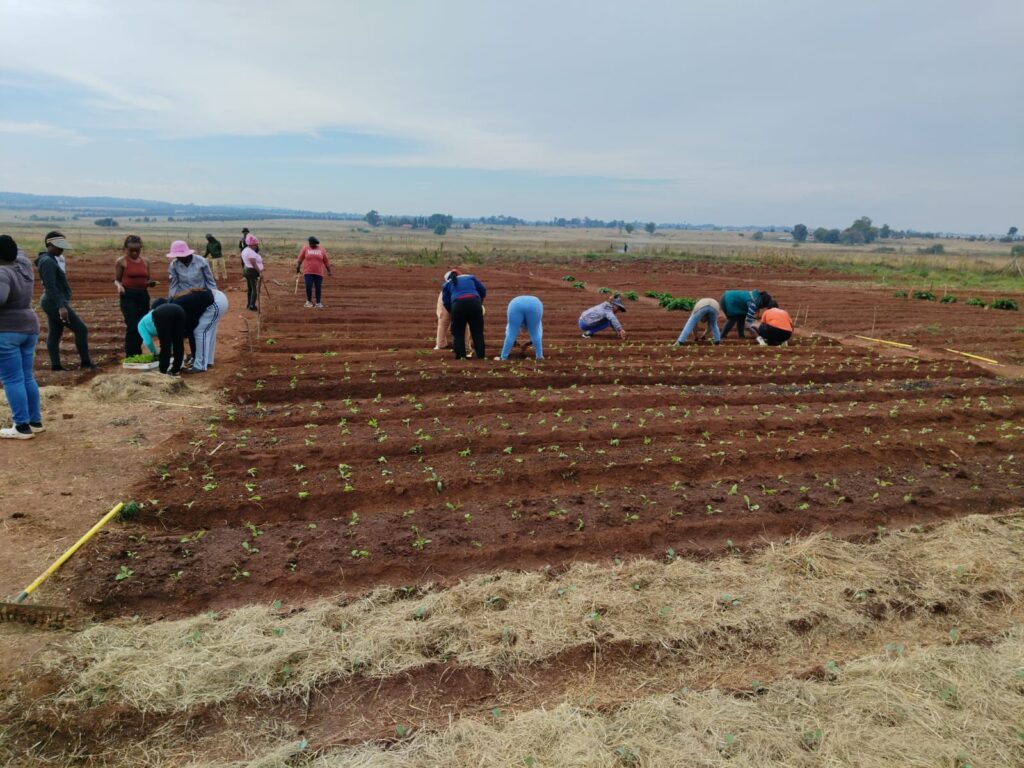
Its initiatives include school vegetable gardens and youth agripreneurship programmes. These combine practical agricultural training with business skills, helping participants understand how food production can become a source of income.
“We have developed models where schools can develop their own vegetable food gardens,” Meulenberg said. “We have also developed an entrepreneurship programme where young people are trained in entrepreneurial activities around organic food and healthier food options, so they can provide communities with food options they did not have before at a similar price.”
The approach connects food production with the everyday realities of the communities these programmes serve. It aims to increase access to fresh produce while equipping young people with skills that could help them participate in the food economy.
From farming skills to sustainable businesses
This work includes Thuthuwa Farm in Diepsloot, where participants receive crop-production training and exposure to commercial farming.
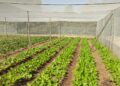
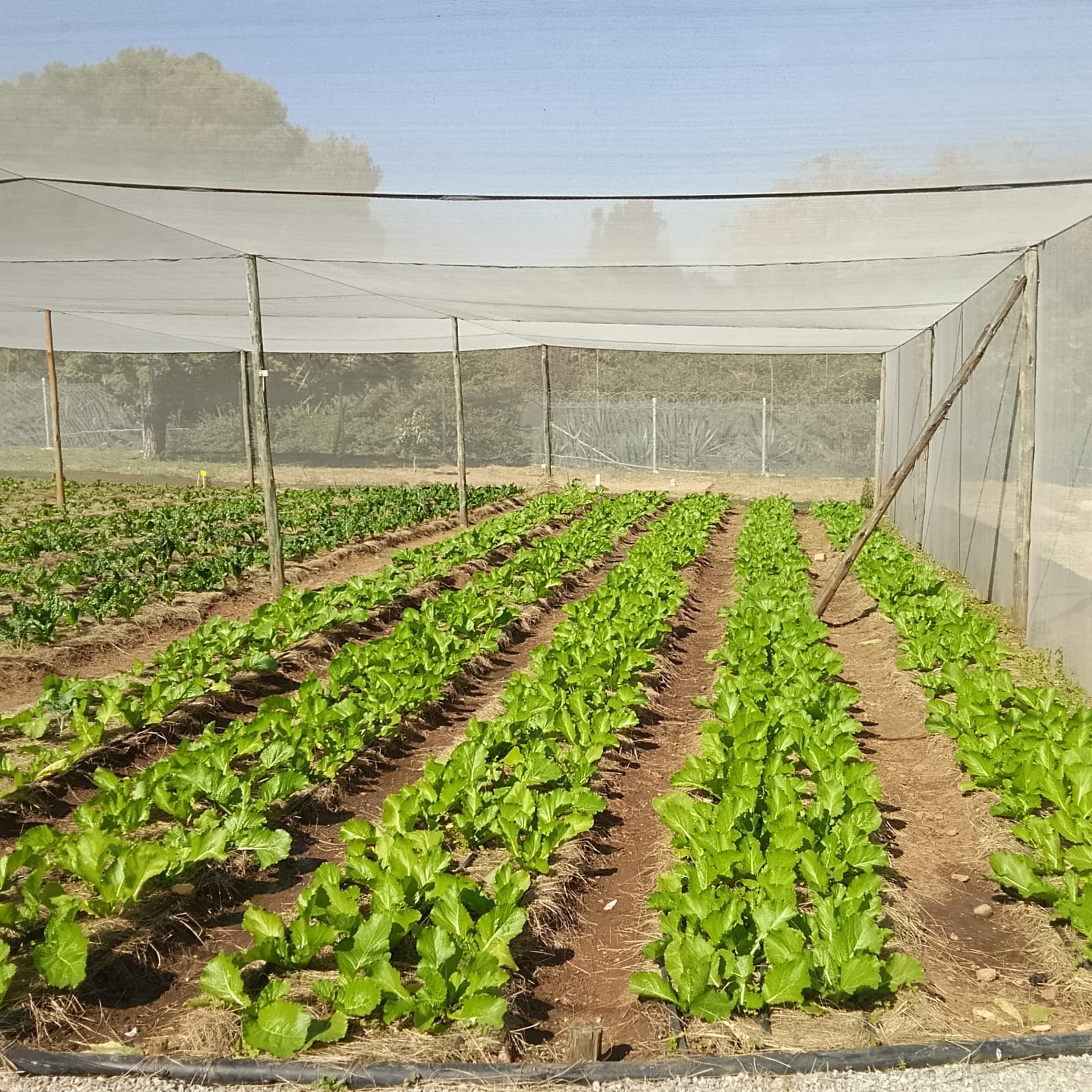
At Amathuba Farm in Orange Farm, seedlings and vegetables are produced, including spinach, onions, broccoli, beetroot and okra.
But growing crops is only one part of the process. For agricultural activities to become sustainable businesses, participants also need to understand how markets work and how to turn production into income.
“Growing food is only one part of it,” Meulenberg said. “People need to understand the market, the customer, pricing and how to make the business sustainable.”
That thinking sits at the heart of Rhiza’s agripreneurship model, which combines agricultural skills with entrepreneurship, employability and practical experience.
The goal is to help participants look beyond the harvest and consider the commercial knowledge needed to keep a business operating.
“If people can produce food and earn an income from it, you are addressing two problems at the same time,” Meulenberg said. “Food security and economic security cannot be treated as separate issues.”
The message is clear: access to nutritious food and access to economic opportunity are closely connected. Helping communities produce food can support both, provided that the skills and business knowledge needed to sustain the work are also developed.
Why school vegetable gardens matter
Rhiza’s school vegetable gardens are intended to do more than provide fresh produce. They also introduce children to how food is grown, helping build practical understanding of agriculture and nutrition.
Meulenberg believes the benefits of better nutrition can reach far beyond the family meal.
“Better nutrition can mean less stunting, better brain and physical development and, ultimately, better educational and health outcomes,” he said.
The initiative places food production within a broader conversation about children’s development and the environments in which healthy habits can take root.
For communities where household budgets are under pressure, improving access to fresh produce remains an important part of the challenge. School gardens offer one way to connect nutrition with practical learning, while Rhiza’s youth programmes add an economic dimension through agricultural training and entrepreneurship.
Innovation does not always mean technology
As World Food Day approaches under the theme “Innovate today, Nourish tomorrow”, Rhiza sees innovation as something that can begin with practical changes at community level.
“Innovation does not necessarily mean sophisticated technology,” Meulenberg said. “It can mean finding better ways to use land, bringing young people into agriculture, connecting producers to markets and producing food closer to the communities that consume it.”
This approach places the emphasis on making existing resources work more effectively, developing skills and building stronger links between the people who grow food and the people who buy it.
It also challenges the idea that innovation must always involve advanced technology. In communities where access to affordable nutritious food is a concern, practical solutions can include using available land, supporting new agricultural entrepreneurs and improving access to locally produced fresh food.
Making healthier food accessible to everyone
The wider challenge is ensuring that nutritious food does not remain an option mainly for households that can afford it.
For Rhiza, agriculture can contribute to addressing poor nutrition and unemployment when food production is linked to affordability, skills development and income generation.
“Food should nourish people, but it can also create opportunity. If we can get those two things working together, agriculture becomes part of the solution to hunger, poor nutrition and unemployment.”
However, creating healthier food environments cannot be left to one organisation or one sector. Meulenberg says progress requires cooperation between government, farmers, businesses, schools and communities.
“Government, farmers, businesses, schools and communities all have a role to play. We need to produce better food, make it accessible and affordable, and create opportunities for people to participate in the food economy. If we work together, we can build a food system that not only feeds people, but gives them the opportunity to live healthier, more secure lives,” added Meulenberg.
As National Nutrition Week and World Food Day put nutrition and food systems in the spotlight, Rhiza’s message is that the conversation must go beyond whether people have something to eat.
It must also consider whether families can afford food that nourishes them, whether communities can access fresh produce, and whether the people growing that food can build sustainable livelihoods.
Because a healthier food system is not just about putting food on the table. It is about making nutritious choices accessible, affordable and sustainable for the communities that need them.