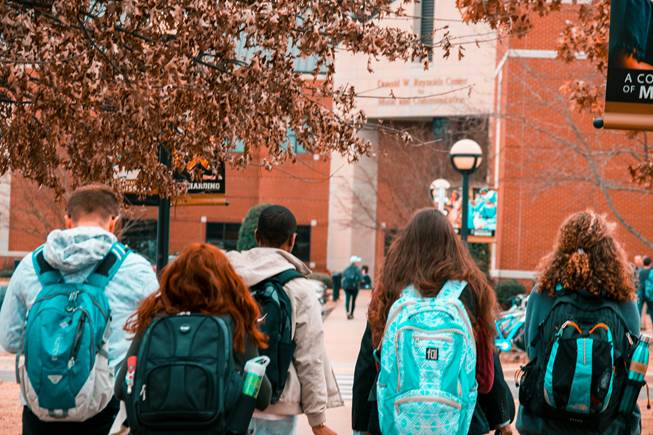
South Africa’s Class of 2025 has made history. With a record-breaking National Senior Certificate (NSC) pass rate of 88% — the highest ever recorded — tens of thousands of young people are stepping into 2026 with newfound academic eligibility and ambition.
For many, a Bachelor’s pass has unlocked the door to university degree studies. But as celebration gives way to reality, a sobering truth has emerged: public university places are already stretched to capacity, and late-stage applicants are increasingly vulnerable to costly mistakes.
Education experts are now sounding the alarm, warning that this unprecedented surge in qualified candidates has created fertile ground for college scams, unaccredited programmes and rushed enrolment decisions that can derail futures before they even begin.
A moment of opportunity — and risk
As application deadlines loom, desperation is driving some prospective students toward “Plan B” options without fully understanding the consequences.
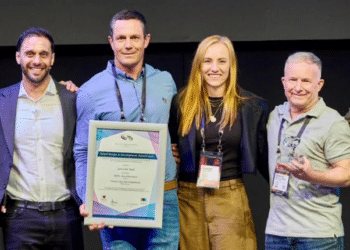
“Matriculants and their families must exercise heightened vigilance to select the appropriate qualification at a legitimate, accredited institution,” says Dr Linda Meyer, Managing Director at IIE Rosebank College and Waterfall School of Business.
“They must take great care to avoid unscrupulous or bogus providers that exploit time pressures and desperation during this critical transition period. Before committing, prospective students must verify that their institution and chosen qualification are thoroughly registered and accredited.”
Her warning comes at a crucial moment. With more learners qualifying for degree studies than ever before, the pressure to secure any placement is intense — and scammers know it.
The common pitfall: the rushed “bridge year”
According to Dr Meyer, one of the most common traps occurs after rejection from public universities.
“Many students apply primarily to public institutions and, when unsuccessful due to limited capacity, rush into enrolling at any available provider as a so-called ‘bridge’ year,” she explains.
The assumption is that they can later transfer to a university. In reality, this haste often results in students enrolling at unregistered or unaccredited institutions, making future progression impossible — and leaving families financially exposed.
Non-negotiable checks every student must do
To protect themselves, prospective students and parents are urged to complete official verification checks before paying any registration fees or signing contracts:
-
Department of Higher Education and Training (DHET):
Check the official list of registered private higher education providers on the DHET website. -
South African Qualifications Authority (SAQA):
Confirm that the specific qualification is registered on the National Qualifications Framework (NQF). -
Council on Higher Education (CHE):
Verify that the institution and programme are fully accredited and meet enrolment requirements. -
DHET Call Centre:
If uncertainty remains, contact the department directly for confirmation.
“These steps are non-negotiable,” Dr Meyer stresses.
Red flags that signal a bogus college
Beyond official databases, there are warning signs families should never ignore:
-
The institution does not appear on the DHET’s registered providers list
-
No original DHET registration certificate is displayed on campus
-
The provider is a recent fly-by-night operation with no proven track record
-
Poor infrastructure or unqualified academic staff
-
Prior media reports or departmental warnings of de-accreditation or deregistration
Dr Meyer points out that accreditation is a rigorous process that typically takes two to three years, making newly established institutions particularly risky.
Why online due diligence matters
Official verification is essential — but it is not enough on its own.
“Prospective students and their families should actively search for real user experiences,” Dr Meyer advises, recommending platforms such as Google Reviews and Hello Peter, where recurring issues often surface quickly.
“Many institutions facing serious scrutiny don’t suddenly appear on warning lists. Red flags accumulate over time through repeated public complaints, departmental notices and media investigations.”
Ignoring these signals, she warns, can be financially devastating.
The real cost of getting it wrong
For many South African households, higher education is a significant investment — and one mistake can wipe out years of savings.
“Not doing your due diligence comes at a significant financial stake which few South African families can afford,” says Dr Meyer.
“Where students enrol with unregistered or fraudulent providers, that money can be lost entirely, with little to no recourse for refunds.”
Her message is clear and urgent:
“A few hours of investigation and verification can prevent a lifetime of regret. Don’t be pressured into making a hasty decision. Take the time to do your homework and verify institutions and qualifications through official channels to protect your future.”