
• Home
  • About
  • Lifestyle
  • Entertainment
  • Fashion
  • Competitions
  • Contact Us
  • Home
  • About
  • Lifestyle
  • Entertainment
  • Fashion
  • Competitions
  • Contact Us
No Result
View All Result
The Vibe ZA
  • Home
  • About
  • Lifestyle
  • Entertainment
  • Fashion
  • Competitions
  • Contact Us
No Result
View All Result
The Vibe ZA
Home Tech

Hybrid-battery warranties are expiring: repair, replace or sell? As more South Africans turn to hybrids to manage rising fuel costs, a new question is emerging for early buyers: what happens when the factory battery warranty expires? South Africa, Johannesburg- 26 October 2026, Hybrid electric vehicles are quickly gaining ground in South Africa. According to TransUnion, local preference for hybrids jumped from 30% at the end of 2025 to 39% in the first quarter of 2026. That puts hybrids ahead of both battery electric vehicles and plug-in hybrids, which each account for 26% of the market. As more drivers make the switch, battery warranty is becoming a key part of the ownership equation. The high-voltage traction battery in a hybrid is not just another 12-volt unit; it’s the heart of the car’s electric drive and fuel-saving ability. Once the factory warranty expires, repairs or replacements become the owner’s responsibility. Toyota South Africa says its hybrid batteries carry an eight-year or 195 000 km warranty, while its owner information also refers to high-voltage battery cover of up to eight years or 160 000 km, depending on the vehicle and warranty terms. An expired battery warranty doesn’t mean your hybrid will suddenly stop running. Most will keep going as usual. The real risk is financial: if the battery fails after the warranty ends, repairs or replacements can be expensive, and the car’s resale or trade-in value may take a knock. How reliable are hybrids, really? The good news is that hybrid batteries and drive systems have proven remarkably reliable. Many well-maintained hybrids run far beyond their warranty periods on their original batteries, and the hybrid hardware itself tends to be robust; Toyota’s hybrid transmission, for example, does without a conventional clutch or torque converter. In the United States, Consumer Reports’ latest reliability survey again rates conventional hybrids among the most dependable vehicles on the road, ahead of plug-in hybrids and battery electric vehicles. There is an important caveat, though. Meaningful long-term data is only really available for a handful of manufacturers, primarily Japanese brands such as Toyota, Lexus and Honda, which have been building hybrids for more than 25 years. Toyota launched the original Prius in 1997 and Honda followed with the Insight in 1999. Many newer entrants, including several of the Chinese brands now driving hybrid growth in South Africa, simply haven’t been on sale long enough for their batteries and hybrid systems to build up a proven track record. Locally, the picture is even younger. For most of the past two decades, hybrids were a niche in South Africa. Toyota sold only about 1 200 examples of the Prius here between its 2005 launch and its discontinuation in 2022, while Lexus and Honda (which introduced the Insight and Jazz Hybrid in 2010 and 2011) added relatively small numbers. Volumes only took off after Toyota started building the Corolla Cross Hybrid at its Prospecton plant in Durban in late 2021. According to Naamsa figures, just over 38 500 hybrids were sold in South Africa between 2021 and 2025, which means most hybrids on local roads are less than five years old and still well within their battery warranties. That makes the first wave of expiring warranties a relatively small group, mostly older Prius, Lexus and Honda models, rather than a flood. It also means South African owners and buyers are, for now, leaning largely on international evidence. For Toyota, Lexus and Honda, that track record is reassuring. For newer brands, the length and terms of the battery warranty carry more weight, because there is little long-term history to fall back on. What a replacement may cost The cost of replacing a hybrid battery can vary widely. It depends on the brand, battery type, the car’s value, and whether you choose a dealer replacement or a specialist repair. As a rough guide, replacing the battery in a mainstream Japanese hybrid typically costs between R25 000 and R45 000. If you own a premium European hybrid or a plug-in model, you could be looking at anything from R65 000 to well over R100 000. A full battery replacement isn’t always needed. Sometimes, a specialist can repair the battery pack or swap out only the weak modules, which can be much cheaper than fitting a whole new unit. The success of this approach depends on the condition of the rest of the battery, the quality of the repair, and the warranty on the work. Before signing off on a replacement, it’s worth getting a full hybrid-system diagnostic. A warning light, a drop in fuel economy or a jumpy charge indicator doesn’t always mean the whole battery pack is finished. Warning signs to watch Common indicators that a hybrid battery may be deteriorating include: · Gradually increasing fuel consumption. · The battery-cooling fan operates more frequently. · Rapid or inconsistent movement in the state-of-charge indicator. · Persistent hybrid-system warning lights. · Reduced electric-motor assistance or noticeable changes in driving behaviour. None of these symptoms guarantee that the battery needs replacing, but they are a good reason to get a professional diagnosis before things get worse and more expensive. Repair, replace or sell? If your battery warranty is about to expire, you have three main options. Sell or trade in: This route avoids a big repair bill but expect buyers and dealers to lower their offers to cover possible battery costs. Dealer replacement: A new original battery offers the most peace of mind, but it comes at a price. Check the warranty on the replacement battery, as it’s often shorter than the original coverage. Specialist repair or reconditioning: Repairing or replacing individual modules can lower the upfront cost but may create greater uncertainty about long-term reliability. Owners should compare the repair warranty, battery health report and total expected remaining life against the price of a new unit. The best option depends on your car’s value, mileage, condition and your own plans. Replacing the battery might make sense for a newer or higher-value car, but for an older hybrid with high mileage, it may not be worth the cost. Plan before Day Zero Reaching the end of your hybrid’s battery warranty is just another milestone, not the end of the road. If you track your warranty, monitor your battery’s performance, and get early warnings, you’ll be in a much better position to decide whether to repair, replace, or sell. If you’re shopping for a used hybrid, check the battery warranty status, service history, accident record, and general condition before you buy. It’s also worth asking a franchised dealer to run a hybrid system check before you sign. Using its diagnostic equipment, the workshop can read any stored hybrid fault codes and check how evenly the battery’s cell blocks are holding their voltage, which is a good indicator of an ageing pack. Ask for a printout of the results; a seller with nothing to hide shouldn’t object.

As more South Africans turn to hybrid cars to save fuel, owners face an important question: what happens when the battery warranty runs out?

in Tech
Reading Time: 5 min
Static photo,
Colour: Glacier white

Static photo, Colour: Glacier white

Share on FacebookShare on Twitter

Hybrid cars are gaining popularity on South African roads. But as more motorists embrace the technology, another question is coming into focus: what happens when the factory battery warranty expires?

For many owners, the answer could have a significant financial impact. A hybrid battery can last well beyond its warranty period, but if it develops a fault, the cost of repairs or replacement may be substantial.

According to TransUnion, local preference for hybrids rose from 30% at the end of 2025 to 39% in the first quarter of 2026. That puts hybrids ahead of both battery electric vehicles and plug-in hybrids, which each account for 26% of the market.

The shift makes battery warranties an increasingly important part of the ownership equation.

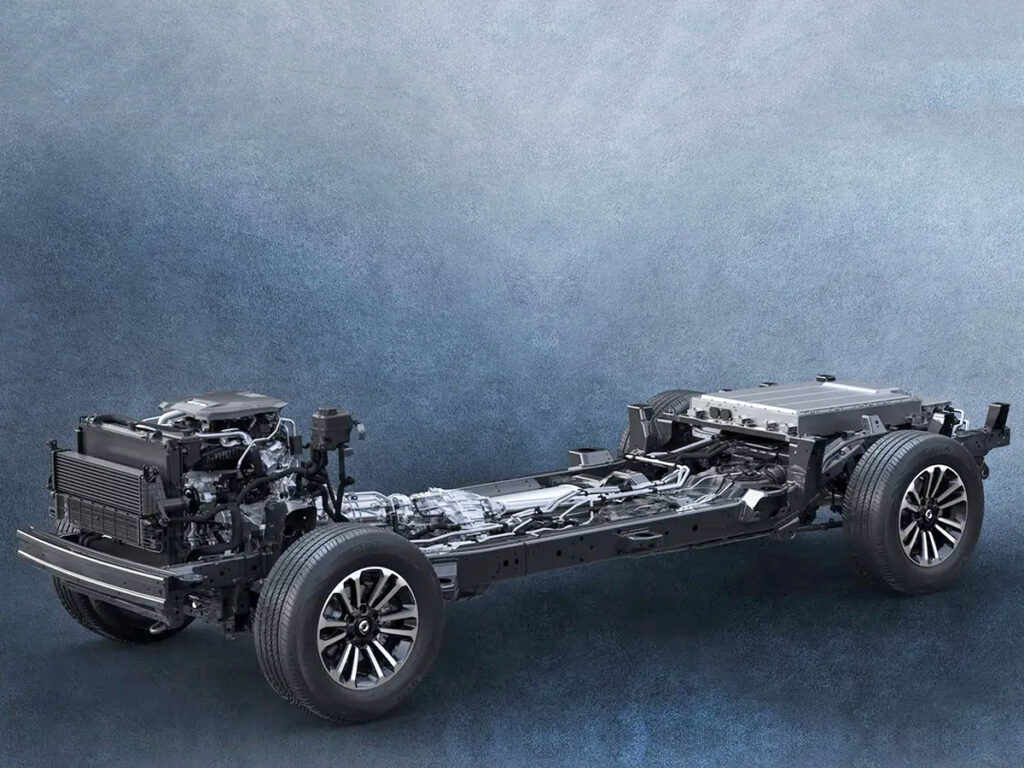
Unlike a conventional 12-volt battery, a hybrid’s high-voltage traction battery powers its electric drive and helps deliver the fuel savings that attract many buyers. Once the factory warranty expires, the owner may have to cover the cost of repairs or replacement.

Toyota South Africa says its hybrid batteries carry a warranty of eight years or 195,000km. However, its owner information also refers to high-voltage battery coverage of up to eight years or 160,000km, depending on the vehicle and applicable warranty terms.

The important point is that an expired warranty does not mean your hybrid is about to stop working. Most will continue running as usual. The bigger concern is the financial risk if the battery fails after the warranty ends, potentially affecting both repair costs and resale or trade-in value.
How reliable are hybrid cars really?

There is encouraging news for hybrid owners. Hybrid batteries and drive systems have proved remarkably reliable, with many well-maintained vehicles continuing to operate on their original batteries long after the warranty expires.

The technology itself can also be robust. Toyota’s hybrid transmission, for example, operates without a conventional clutch or torque converter.

In the United States, Consumer Reports’ latest reliability survey again rates conventional hybrids among the most dependable vehicles on the road. They rank ahead of plug-in hybrids and battery electric vehicles.

However, there is an important distinction between established hybrid technology and newer models that have yet to build a long-term track record.

Meaningful long-term reliability data is available for only a handful of manufacturers, particularly Japanese brands such as Toyota, Lexus and Honda. These companies have been building hybrids for more than 25 years.

Toyota launched the original Prius in 1997, followed by Honda’s Insight in 1999. Many newer entrants, including several Chinese brands driving hybrid growth in South Africa, have not been on sale long enough to establish the same long-term battery and hybrid-system history.

South Africa’s hybrid market is still relatively young

For much of the past two decades, hybrids remained a niche offering in South Africa.

Toyota sold only about 1,200 Prius models locally between the car’s 2005 launch and its discontinuation in 2022. Lexus and Honda also contributed relatively small numbers, with Honda introducing the Insight and Jazz Hybrid in 2010 and 2011.

The market began to grow significantly after Toyota started building the Corolla Cross Hybrid at its Prospecton plant in Durban in late 2021.

According to Naamsa figures, just over 38,500 hybrids were sold in South Africa between 2021 and 2025. As a result, most hybrids on local roads are less than five years old and remain within their battery warranties.

This means the first wave of expiring warranties is still relatively small. It mainly involves older Prius, Lexus and Honda models rather than a large number of vehicles reaching the end of their coverage at once.

For now, South African owners and buyers must rely heavily on international experience. The history of Toyota, Lexus and Honda offers reassurance, while the warranty length and terms of newer brands become especially important where long-term evidence is limited.

What could a replacement battery cost?

The cost of replacing a hybrid battery varies considerably. The final bill depends on the brand, battery type, vehicle value and whether the owner chooses a dealer replacement or specialist repair.

As a rough guide, replacing the battery in a mainstream Japanese hybrid typically costs between R25,000 and R45,000.

For a premium European hybrid or plug-in model, the bill could range from R65,000 to well over R100,000.

Those figures can make an expired warranty feel daunting. However, replacing the entire battery pack is not always necessary.

In some cases, a specialist may be able to repair the pack or replace only the weak modules. This can cost significantly less than installing a complete new battery.

The outcome depends on the condition of the remaining battery, the quality of the repair and the warranty offered on the work.

Before agreeing to a replacement, arrange a full hybrid-system diagnostic. A warning light, declining fuel economy or an erratic battery charge indicator does not automatically mean the entire battery pack has failed.

A professional assessment can help establish the actual problem before you commit to a potentially expensive repair.

Five warning signs to watch

A hybrid battery may show signs of deterioration before it fails completely. Keep an eye out for these changes:

  • Increasing fuel consumption: You may notice that your hybrid no longer delivers its usual fuel economy.
  • A more active cooling fan: The battery-cooling fan may operate more frequently than before.
  • Unstable charge readings: The state-of-charge indicator may move rapidly or inconsistently.
  • Persistent warning lights: Hybrid-system warnings should be investigated rather than ignored.
  • Changes in driving behaviour: You may notice reduced electric-motor assistance or other unusual changes while driving.

None of these symptoms confirms that the battery needs replacing. However, they are good reasons to seek a professional diagnosis before the problem becomes more serious or expensive.

Repair, replace or sell?

If your hybrid battery warranty is approaching its end, you have three main options. The right choice depends on your vehicle’s condition, mileage, value and how long you intend to keep it.

1. Sell or trade in

Selling or trading in your hybrid can help you avoid a potentially large repair bill.

However, buyers and dealers may reduce their offers to account for the possibility of future battery costs. Before making a decision, compare the vehicle’s current value with the likely cost and risk of keeping it.

2. Replace the battery through a dealer

A new original battery can provide greater peace of mind, but it comes at a price.

Before committing, check the warranty on the replacement battery. Its coverage may be shorter than the vehicle’s original battery warranty.

For a newer or higher-value hybrid, replacement may make financial sense if the rest of the car is in good condition.

3. Choose specialist repair or reconditioning

A specialist may be able to repair the battery pack or replace individual modules, reducing the upfront cost.

However, this route can bring greater uncertainty about long-term reliability. Compare the repair warranty, battery health report and expected remaining service life against the price of a new battery.

For an older hybrid with high mileage, a major replacement may not be worth the expense. The decision should be based on the vehicle’s overall condition and value rather than the battery cost alone.

Plan before the warranty expires

Reaching the end of your hybrid’s battery warranty is a milestone, not necessarily the end of the road.

By tracking your warranty dates, monitoring changes in performance and investigating warning signs early, you can make a more informed decision about whether to repair, replace or sell.

The same preparation matters when buying a used hybrid.

Before signing, check the battery warranty status, service history, accident record and general condition. It is also worth asking a franchised dealer to carry out a hybrid-system check.

Using diagnostic equipment, the workshop can read stored hybrid fault codes and assess how evenly the battery’s cell blocks are holding their voltage. This can provide a useful indication of an ageing battery pack.

Ask for a printout of the diagnostic results. A clear report gives you more information to weigh up before making a purchase.

Ultimately, a hybrid battery warranty expiring does not mean you should panic or immediately sell your car. The smarter move is to understand your vehicle’s condition, know the potential costs and plan ahead.

With the right information, you can make a decision that suits both your car and your budget.

Previous Post

Cars.co.za Wins Big at 2026 naamsa Awards

Next Post

Beyond Phone Calls: How Connectivity Is Changing Life for Older South Africans

Related Posts

Tech

Beyond Phone Calls: How Connectivity Is Changing Life for Older South Africans

28th October 2026
Tech

Cars.co.za Wins Big at 2026 naamsa Awards

28th October 2026
Tech

Wisdom & Wellness Launches App to Bring GalPals Closer

28th October 2026
Tech

Singularity Summit 2026: The Future Is Already Here

27th October 2026
Tech

Mazda Confirms Plug-In Hybrid for South Africa in 2027

27th October 2026
Tech

iPhone 18 Pro Review: Is It Worth R28,799 in South Africa?

25th October 2026
Next Post

Beyond Phone Calls: How Connectivity Is Changing Life for Older South Africans

Just In!A must Read

Beyond Phone Calls: How Connectivity Is Changing Life for Older South Africans

28th October 2026
Static photo,
Colour: Glacier white

Hybrid-battery warranties are expiring: repair, replace or sell? As more South Africans turn to hybrids to manage rising fuel costs, a new question is emerging for early buyers: what happens when the factory battery warranty expires? South Africa, Johannesburg- 26 October 2026, Hybrid electric vehicles are quickly gaining ground in South Africa. According to TransUnion, local preference for hybrids jumped from 30% at the end of 2025 to 39% in the first quarter of 2026. That puts hybrids ahead of both battery electric vehicles and plug-in hybrids, which each account for 26% of the market. As more drivers make the switch, battery warranty is becoming a key part of the ownership equation. The high-voltage traction battery in a hybrid is not just another 12-volt unit; it’s the heart of the car’s electric drive and fuel-saving ability. Once the factory warranty expires, repairs or replacements become the owner’s responsibility. Toyota South Africa says its hybrid batteries carry an eight-year or 195 000 km warranty, while its owner information also refers to high-voltage battery cover of up to eight years or 160 000 km, depending on the vehicle and warranty terms. An expired battery warranty doesn’t mean your hybrid will suddenly stop running. Most will keep going as usual. The real risk is financial: if the battery fails after the warranty ends, repairs or replacements can be expensive, and the car’s resale or trade-in value may take a knock. How reliable are hybrids, really? The good news is that hybrid batteries and drive systems have proven remarkably reliable. Many well-maintained hybrids run far beyond their warranty periods on their original batteries, and the hybrid hardware itself tends to be robust; Toyota’s hybrid transmission, for example, does without a conventional clutch or torque converter. In the United States, Consumer Reports’ latest reliability survey again rates conventional hybrids among the most dependable vehicles on the road, ahead of plug-in hybrids and battery electric vehicles. There is an important caveat, though. Meaningful long-term data is only really available for a handful of manufacturers, primarily Japanese brands such as Toyota, Lexus and Honda, which have been building hybrids for more than 25 years. Toyota launched the original Prius in 1997 and Honda followed with the Insight in 1999. Many newer entrants, including several of the Chinese brands now driving hybrid growth in South Africa, simply haven’t been on sale long enough for their batteries and hybrid systems to build up a proven track record. Locally, the picture is even younger. For most of the past two decades, hybrids were a niche in South Africa. Toyota sold only about 1 200 examples of the Prius here between its 2005 launch and its discontinuation in 2022, while Lexus and Honda (which introduced the Insight and Jazz Hybrid in 2010 and 2011) added relatively small numbers. Volumes only took off after Toyota started building the Corolla Cross Hybrid at its Prospecton plant in Durban in late 2021. According to Naamsa figures, just over 38 500 hybrids were sold in South Africa between 2021 and 2025, which means most hybrids on local roads are less than five years old and still well within their battery warranties. That makes the first wave of expiring warranties a relatively small group, mostly older Prius, Lexus and Honda models, rather than a flood. It also means South African owners and buyers are, for now, leaning largely on international evidence. For Toyota, Lexus and Honda, that track record is reassuring. For newer brands, the length and terms of the battery warranty carry more weight, because there is little long-term history to fall back on. What a replacement may cost The cost of replacing a hybrid battery can vary widely. It depends on the brand, battery type, the car’s value, and whether you choose a dealer replacement or a specialist repair. As a rough guide, replacing the battery in a mainstream Japanese hybrid typically costs between R25 000 and R45 000. If you own a premium European hybrid or a plug-in model, you could be looking at anything from R65 000 to well over R100 000. A full battery replacement isn’t always needed. Sometimes, a specialist can repair the battery pack or swap out only the weak modules, which can be much cheaper than fitting a whole new unit. The success of this approach depends on the condition of the rest of the battery, the quality of the repair, and the warranty on the work. Before signing off on a replacement, it’s worth getting a full hybrid-system diagnostic. A warning light, a drop in fuel economy or a jumpy charge indicator doesn’t always mean the whole battery pack is finished. Warning signs to watch Common indicators that a hybrid battery may be deteriorating include: · Gradually increasing fuel consumption. · The battery-cooling fan operates more frequently. · Rapid or inconsistent movement in the state-of-charge indicator. · Persistent hybrid-system warning lights. · Reduced electric-motor assistance or noticeable changes in driving behaviour. None of these symptoms guarantee that the battery needs replacing, but they are a good reason to get a professional diagnosis before things get worse and more expensive. Repair, replace or sell? If your battery warranty is about to expire, you have three main options. Sell or trade in: This route avoids a big repair bill but expect buyers and dealers to lower their offers to cover possible battery costs. Dealer replacement: A new original battery offers the most peace of mind, but it comes at a price. Check the warranty on the replacement battery, as it’s often shorter than the original coverage. Specialist repair or reconditioning: Repairing or replacing individual modules can lower the upfront cost but may create greater uncertainty about long-term reliability. Owners should compare the repair warranty, battery health report and total expected remaining life against the price of a new unit. The best option depends on your car’s value, mileage, condition and your own plans. Replacing the battery might make sense for a newer or higher-value car, but for an older hybrid with high mileage, it may not be worth the cost. Plan before Day Zero Reaching the end of your hybrid’s battery warranty is just another milestone, not the end of the road. If you track your warranty, monitor your battery’s performance, and get early warnings, you’ll be in a much better position to decide whether to repair, replace, or sell. If you’re shopping for a used hybrid, check the battery warranty status, service history, accident record, and general condition before you buy. It’s also worth asking a franchised dealer to run a hybrid system check before you sign. Using its diagnostic equipment, the workshop can read any stored hybrid fault codes and check how evenly the battery’s cell blocks are holding their voltage, which is a good indicator of an ageing pack. Ask for a printout of the results; a seller with nothing to hide shouldn’t object.

28th October 2026

Cars.co.za Wins Big at 2026 naamsa Awards

28th October 2026

Naked Launches Pet Insurance From R40 a Month

28th October 2026

Wisdom & Wellness Launches App to Bring GalPals Closer

28th October 2026

Browse by Category

  • Beauty
  • Competitions
  • Entertainment
  • Family
  • Fashion
  • Features
  • Finance
  • Food
  • Lifestyle
  • Music
  • Premium
  • Sport
  • Tech
  • Travel