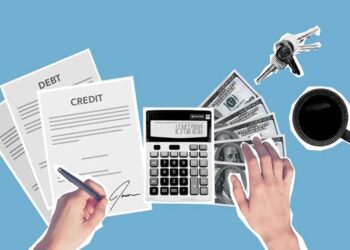

As South Africans continue to navigate higher living costs, many households are searching for practical ways to regain control of their finances. With fuel, electricity, municipal tariffs and insurance costs placing increasing strain on monthly budgets, debt consolidation is emerging as a popular option for consumers looking to simplify repayments and create much-needed financial breathing room.
According to DirectAxis, nearly 40% of all approved loan applications are now for debt consolidation, highlighting a growing demand for financial solutions that make debt more manageable without entering formal debt review.
Higher Interest Rates Add to Household Pressure
Financial pressure intensified in May 2026, when the Monetary Policy Committee increased the prime lending rate to 10.5%. The move could mark the beginning of a new cycle of interest rate increases as the South African Reserve Bank (SARB) works to reduce inflation from 4% towards its 3% target.
The increase follows 15 months of interest rate cuts, making the return to rising borrowing costs particularly challenging for consumers already dealing with higher day-to-day expenses.
For households with home loans, vehicle finance and unsecured credit, every rate increase means more money goes towards servicing debt, leaving less available for essential expenses, savings and long-term financial goals.
“For people with debt such as home loans, vehicle finance, and unsecured credit, the additional interest payments will make it harder to preserve enough disposable income for everyday expenses, let alone contribute to savings or longer-term investments,” says Gavyn Letley, Product Head at DirectAxis.
Why More Consumers Are Choosing Debt Consolidation
Rather than juggling several monthly repayments, debt consolidation allows consumers to combine multiple debts into one loan with a single monthly repayment.
Unlike debt counselling, which involves a formal debt review process and a court- or tribunal-approved repayment plan, debt consolidation enables qualifying consumers to restructure their debt without entering a legal process that can take between three and five years, depending on the amount owed.
Letley explains that debt consolidation is particularly suitable for consumers who continue to maintain a reasonable credit profile while looking for a more efficient way to manage their financial commitments.
The Benefits of Debt Consolidation
As more South Africans seek financial relief, DirectAxis highlights several advantages of consolidating debt.
Improved Cash Flow
By combining multiple debts into one loan, consumers may reduce the number of service fees and credit life cover charges they pay across several accounts.
Interest rates are determined according to each applicant’s risk profile. Depending on their credit score, borrowers may qualify for rates that compare favourably with certain forms of unsecured credit, such as credit cards or retail accounts. However, consumers should consider the total cost of the loan, as interest is paid over a longer repayment period.
The combination of a personalised interest rate and an extended repayment term can lower monthly instalments, helping households ease immediate financial pressure while creating opportunities to build savings or pay off debt faster.
One Monthly Repayment
Managing multiple payment dates can be stressful, particularly when finances are already stretched.
Debt consolidation simplifies the process by replacing several monthly instalments with one repayment to a single lender, reducing complexity and lowering the risk of missed payments.
Greater Financial Flexibility
Consumers who enter debt counselling cannot apply for additional credit until they receive a clearance certificate.
By contrast, consumers who consolidate their debt remain eligible to apply for credit in the future, provided they continue to meet affordability assessments and lending criteria.
A Defined Path Out of Debt
Consolidation loans generally come with fixed repayment terms, giving consumers a clear understanding of when their debt will be fully repaid.
Knowing exactly when repayments will end can also make longer-term financial planning more achievable.
A Tool for Recovery—Not a Shortcut
While debt consolidation can make repayments more manageable, Letley emphasises that it does not reduce the total amount of money owed.
Instead, it should form part of a broader financial recovery strategy.
“Debt consolidation is most effective as part of a broader financial recovery plan. Consumers must remain dedicated to their journey, and any savings should be directed at either paying off other debt sooner, building wealth through savings and investments, or planning for retirement.“
He adds that consolidation provides consumers with an opportunity to regain financial stability and focus on their long-term objectives.
“It creates the right opportunity for consumers to focus on what they want to achieve and starts with creating some financial breathing room.“
Financial Guidance Is Available
For consumers seeking assistance with budgeting and financial planning, DirectAxis points to the My Advisor feature available on the FNB App, which offers access to financial guidance designed to help users make informed money decisions.
As financial pressure continues to build, debt consolidation is proving to be more than just a way to simplify repayments. For many South Africans, it represents an opportunity to restore control over their finances, reduce monthly stress and create a stronger foundation for future financial wellbeing.