
New research from inDrive, the global ride-hailing platform, highlights the transport challenges faced by South African gogos, who are central caregivers in their households and communities. Most notably, it found that almost all gogos surveyed travel outside their homes weekly for errands such as visiting clinics, collecting pensions, shopping or seeing family. Yet for many, reliable transport remains a significant barrier.
The data revealed a challenging reality for grandmothers in South Africa, with around 32% of gogos spending more than 30 minutes reaching essential services like clinics, pension pay points or grocery stores. About 25% have missed appointments or errands because transport was unavailable or unsafe. While just over half (54%) feel safe travelling alone, almost all (96%) said they would feel more comfortable if they could book transport from home, showing the potential for digital ride-hailing to improve independence and wellbeing.
Transport costs also weigh heavily, with almost 89% of gogos spending more than R50 per week. For grandmothers in South Africa, income levels can vary widely, where some may receive pensions or social grants, but many do not have formal employment or additional income sources. As such, their monthly income is often far below the national average, reflecting broader economic disparities. This financial strain, combined with long travel times and safety concerns, underscores the hidden burden transport places not only on gogos but on the households and communities they care for.
Digital learning and fair, safe transport can empower communities
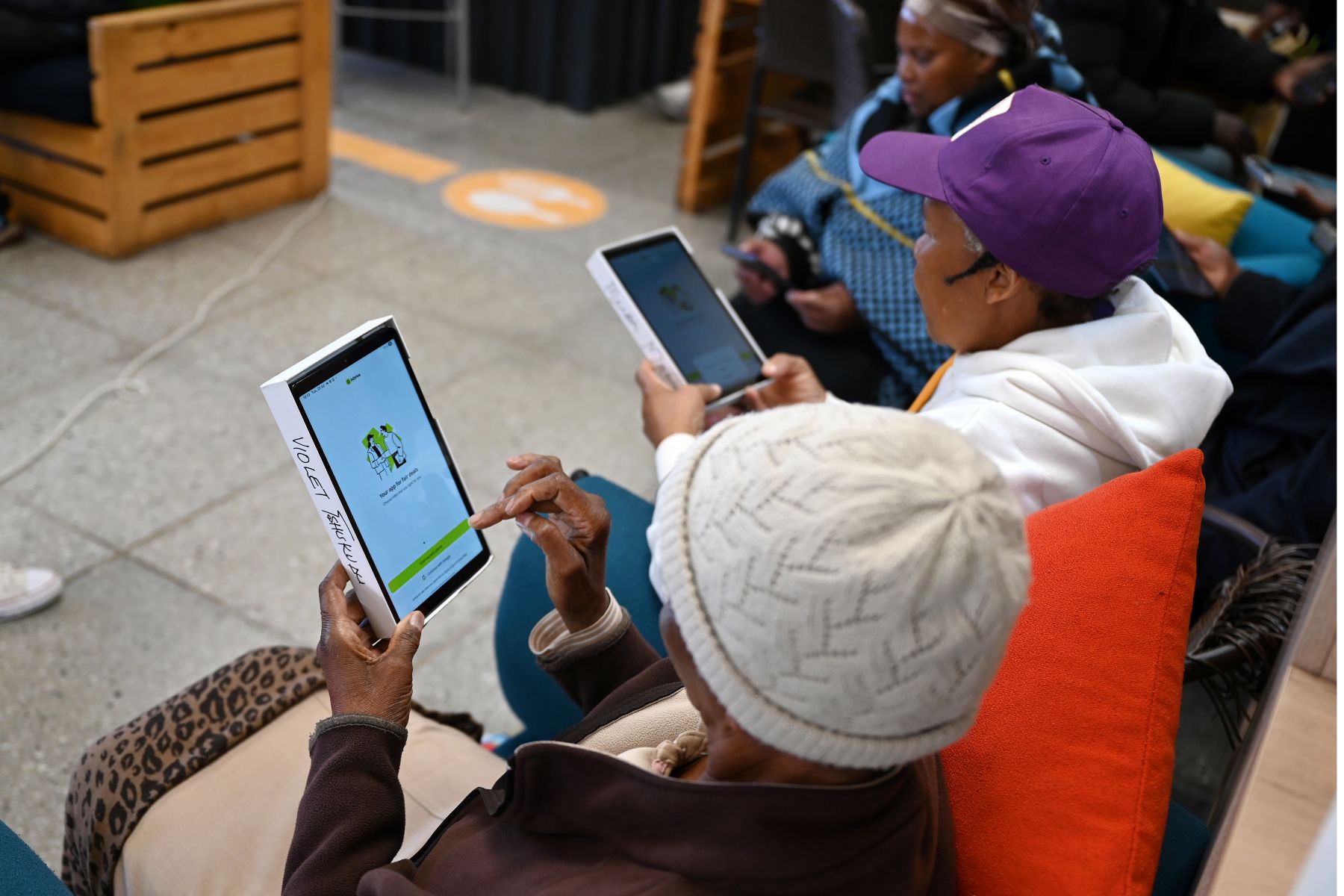
While less than half (46%) have used a ride-hailing app, gogos show strong willingness to embrace digital solutions. According to inDrive’s internal data, over 90% own a smartphone and use apps such as WhatsApp, Facebook or YouTube. A similar proportion (93%) expressed interest in learning how to book rides via an app, either in groups or one-on-one, highlighting eagerness to adopt technology when it is simple, affordable, and safe.
Ashif Black, Country Representative for inDrive South Africa, says, “Gogos are the backbone of families and communities, and it is crucial that we play a part to reduce the hidden burdens they face every day. Digital access and education give them independence, confidence and opportunities to continue caring for their families and raise the next generation.”
The research also reveals gogos’ aspirations to empower others. More than 82% said they would like to teach fellow gogos how to use digital tools, while almost all (96%) expressed pride in their role and a desire to be seen as mentors or role models in their communities.
“This data gives us a clear picture of the transport and digital challenges gogos face every day,” says Black. “Understanding these realities allows us to create solutions that truly meet their needs and make a meaningful difference in their lives.”
inDrive’s platform allows passengers to negotiate fares, providing fairness in pricing that traditional taxis and buses often cannot. For gogos, this means not only affordable travel but transparency and trust, not to mention how digital skills empowerment in general can transform households and have a positive impact on communities.