For millions of children across Africa, education is often described as the key to opportunity, dignity and economic freedom. But in many South African schools, learners are still expected to pursue that future without access to something far more basic: clean water and safe sanitation.
Imagine trying to focus on algebra while dehydrated.
Imagine sitting through an exam without access to functioning toilets.
Imagine carrying the emotional weight of embarrassment, discomfort and unsafe hygiene conditions into every classroom lesson.
For many learners, this is not imagination. It is daily life.
That stark reality became the focus of a powerful Education Conversations dialogue hosted by Kagiso Trust in partnership with the University of Johannesburg Faculty of Education ahead of Africa Day.
Held under the Africa Day theme, “Assuring sustainable water availability and safe sanitation systems to achieve the goals of Agenda 2063,” the virtual discussion unpacked a truth that South Africa can no longer afford to ignore: water and sanitation in schools are not merely infrastructure issues. They are education issues. Human rights issues. Dignity issues.
And increasingly, they are becoming a defining test of whether the country can truly deliver equitable education.
“Trying to Solve Maths While Dehydrated”
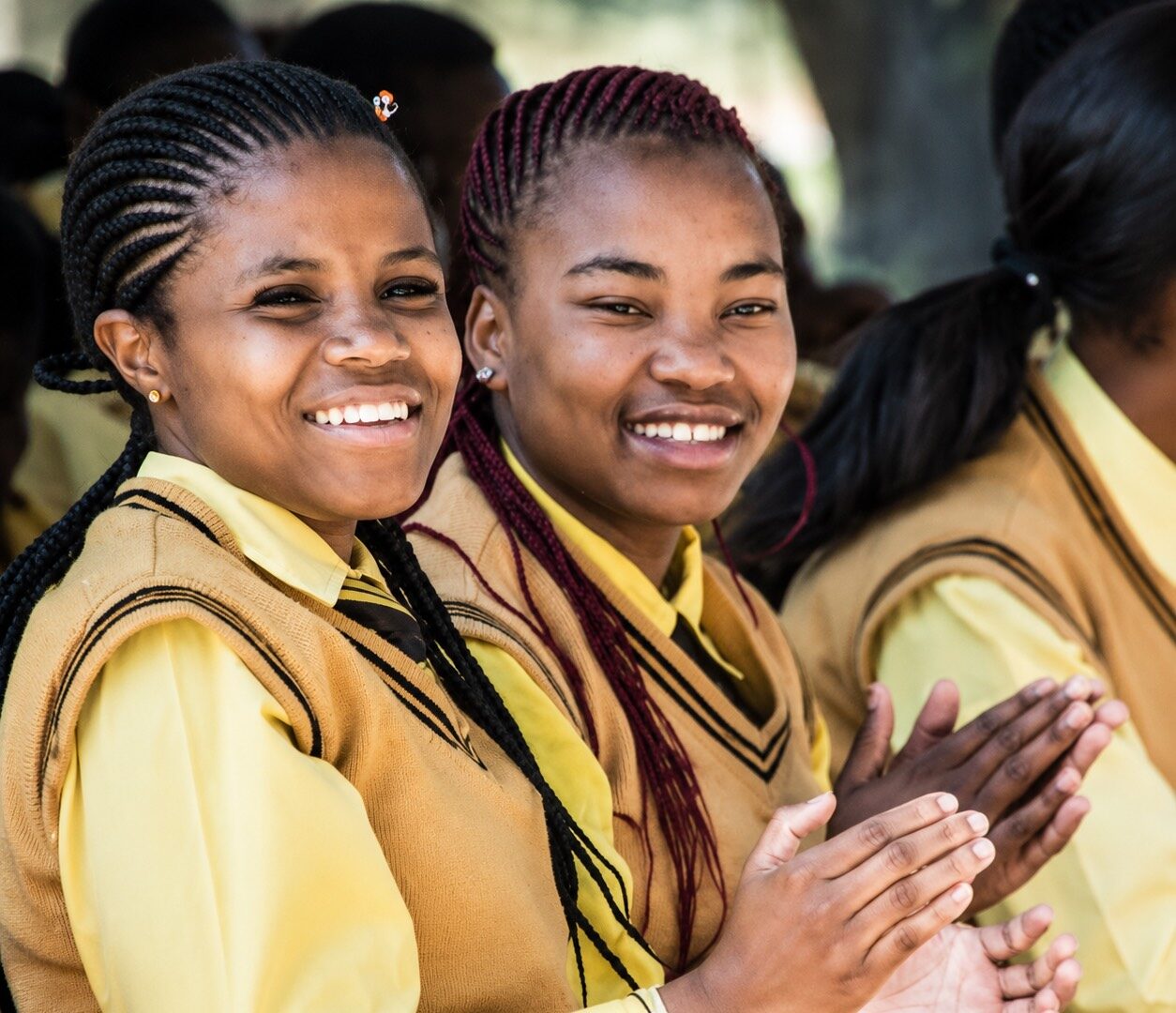
The conversation’s emotional centre came from grade 10 learner Kgodiso Masete from Potoko Secondary School, whose testimony painted a vivid picture of the daily realities facing learners in under-resourced schools.
“Picture this: trying to solve a complex mathematical problem while being dehydrated,” he said. “For many learners … this is a reality.”
It was more than a quote.
It was an indictment.
Kgodiso explained how dehydration, poor hygiene conditions, interrupted school days and inadequate sanitation directly undermine effective teaching and learning.
His words reflected a deeper issue often absent from policy discussions: the psychological impact of undignified school environments.
“When learners have access to clean water and dignified sanitation facilities, they build confidence, self-respect and a sense of belonging within the school environment,” he explained. “Quality education cannot truly be achieved when learners’ most basic needs are unmet.”
In that moment, the conversation shifted beyond pipes, taps and toilets.
It became about human potential.
When Infrastructure Fails, Learners Pay the Price
Across South Africa, ageing infrastructure, unreliable water supply and unsafe sanitation continue affecting thousands of schools, particularly in rural and historically disadvantaged communities.
While infrastructure statistics are often discussed in government reports and budget speeches, the human consequences are lived quietly by learners every day.
Missed classes.
Health risks.
Reduced concentration.
Absenteeism.
Anxiety.
Loss of dignity.
For young girls especially, inadequate sanitation can become a major barrier to consistent school attendance and participation.
These realities formed part of the broader discussion during the dialogue, reinforcing the understanding that education outcomes cannot be separated from the physical conditions in which learners are expected to learn.
Restoring Toilets, Restoring Dignity
Among the most compelling contributions came from Klaas Mahlahlani, principal of Dikubu Primary School.
Drawing from firsthand leadership experience, Mahlahlani shared how his school transformed deteriorating and unsafe sanitation facilities into cleaner, sustainable, learner-friendly spaces despite major resource constraints.
His story was not framed as a miracle solution.
It was framed as persistence.
Navigating blocked sanitation systems, ageing infrastructure and unreliable water supply, Mahlahlani emphasised that sanitation improvements are about far more than compliance.
“Restoring sanitation facilities also restores learners’ dignity,” he said.
One of the school’s breakthrough partnerships involved collaboration with the Department of Correctional Services, where inmates with plumbing skills assisted with labour to improve facilities.
The result was measurable improvement in learner wellbeing and attendance.
But Mahlahlani also delivered a warning.
“When you operate a school system alone, without external stakeholders, the system is going to collapse,” he said. “Sustainable progress depends on partnerships between schools, communities, government and external stakeholders.”
It was a reminder that South Africa’s education challenges cannot be solved in isolation.
The Numbers Behind the Crisis
While some national reports indicate progress in reducing school infrastructure backlogs, organisations working directly on the ground continue raising concerns about persistent inequalities.
Aluyolo Mbeki from Equal Education argued during the discussion that access to safe sanitation and clean water remains inseparable from the constitutional right to basic education.
“When learners have access to safe sanitation and clean water, they are better able to attend school consistently, participate fully in learning, and experience school environments that uphold their dignity,” Mbeki said.
He stressed that meaningful progress requires both systemic accountability and active community participation.
The statistics shared during the discussion highlighted the scale of the challenge.
According to Equal Education’s school visits in KwaZulu-Natal:
- 57% of schools visited have unreliable water supply
- 86% lack handwashing facilities
At the same time, real spending on school infrastructure in the province has reportedly declined over the past decade despite ongoing infrastructure backlogs.
These numbers reveal more than operational failures.
They reveal unequal futures.
Africa Day’s Bigger Message
The timing of the conversation ahead of Africa Day added deeper continental significance.
The African Union’s Agenda 2063 envisions a prosperous, integrated and developed Africa driven by opportunity, human dignity and sustainable development.
But that vision cannot become reality while learners continue navigating unsafe school environments without access to basic services.
Water and sanitation are often discussed as development goals.
This dialogue reframed them as educational foundations.
Because before learners can dream about becoming scientists, engineers, doctors or entrepreneurs, they first need environments that recognise their humanity.
That is what Kagiso Trust’s Education Conversations series continues attempting to address: creating spaces where educators, learners, institutions and communities confront the realities shaping South Africa’s education system.
The conversation ultimately delivered one undeniable message:
No child should have to choose between dignity and education.
And no country can claim educational progress while learners are still trying to solve mathematics problems thirsty.