
For years, Qatar has been familiar to many South Africans as a gateway to somewhere else.
But that is changing.
Growing direct connectivity from Johannesburg, established safety credentials, clearer visa and entry pathways, and a destination that can be explored without excessive travel time are encouraging South African travellers to take a second look at Qatar.
And beyond Hamad International Airport lies a country with a story that stretches from pearling, fishing and trading traditions to contemporary architecture, major cultural institutions and a rapidly developing modern capital.
For travellers thinking about affordability, safety and ease of exploration, Qatar offers a reason to stay a little longer.
 A city made for exploring
One of Doha’s attractions is the ability to experience very different sides of the city within a relatively manageable day.
A morning can start at Souq Waqif, where spice shops, textile stalls, cafés and the Falcon Souq offer a glimpse into Qatar’s trading heritage.
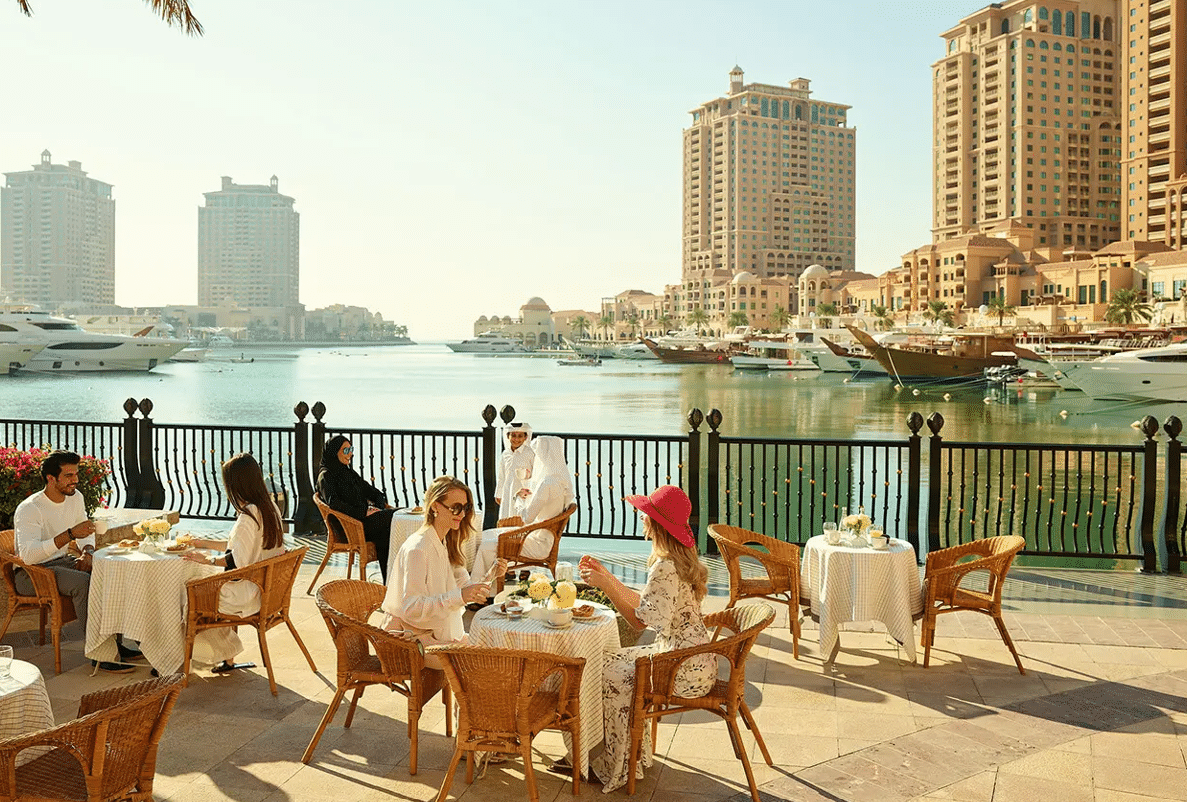
From there, the day can move towards the Doha Corniche, with its waterfront views and striking skyline.
Another stop is Katara Cultural Village, where galleries, cultural spaces and waterfront walks bring together different aspects of Qatar’s cultural life.
Then there are the museums.
The National Museum of Qatar, designed by Pritzker Prize-winning architect Jean Nouvel, draws inspiration from the desert rose. Its exhibitions trace Qatar’s natural environment, heritage and development.
Nearby, the Museum of Islamic Art, designed by renowned architect I. M. Pei, houses a major collection of Islamic art and overlooks Doha Bay.
Together, these experiences reveal a destination where Qatar’s past and present exist side by side.
For South African travellers who value culture and a strong sense of place, the appeal goes beyond ticking attractions off a list.
It is an opportunity to understand how a peninsula shaped by pearling, fishing and trade developed into a modern Gulf capital.
Where heritage meets tomorrow
That contrast continues at Msheireb Downtown Doha.
The district combines restored heritage buildings with contemporary urban design and walkable spaces.
The Msheireb Museums, housed across four historic houses, explore different chapters of Qatar’s social and cultural history.
Nearby, the Doha Design District introduces another layer, with cafés, galleries and creative spaces creating a distinctly contemporary atmosphere.
Further north, Lusail City presents an entirely different vision of Qatar.
Its Marina District, Lusail Boulevard and landmark Lusail Stadium reflect the scale of the country’s recent development.
Restaurants, retail spaces and public areas add to the city’s growing appeal for visitors wanting to explore beyond central Doha.
And getting around does not have to dominate the itinerary.
The Doha Metro connects key areas, while taxis and ride-hailing services are widely available.
That means more time can be spent experiencing the destination and less time figuring out how to get between attractions.
Safety, value and peace of mind
For families and solo travellers considering their first visit to the Middle East, safety is an important part of the decision.
The supplied travel information describes Qatar as ranking among the world’s safest countries.
The destination also offers visa and entry information through the Hayya platform, while English is widely spoken.
For South Africans keeping a close eye on exchange rates and travel budgets, the destination offers mid-range accommodation, dining and experiences alongside luxury options.
Short-break packages and combined airfare-and-hotel deals can also provide ways to structure a trip around a defined budget.
The result is a destination that can cater to different travel styles rather than being positioned solely as a luxury escape.
There’s a Qatar beyond Doha
The experience does not end in the city.
A short drive from Doha can take travellers into desert landscapes, towards beaches or to the Inland Sea.
Further north, the Al Jassasiya Rock Art Site offers another window into Qatar’s heritage.
Along the coast, visitors can explore sailing, water sports and marine experiences.
Back in Doha, families can choose from attractions, shopping districts and a dining scene shaped by the country’s international connections.
And food offers perhaps one of the easiest ways to connect with the culture.
At Souq Waqif, Shay Al Shomous is known for traditional Qatari breakfasts.
At Katara Cultural Village, Feeh Al’Afia serves dishes including Harees and Madhruba.
For travellers looking for something at the other end of the culinary spectrum, Doha also has Michelin-starred restaurants.
From traditional breakfast to high-end dining, Qatar’s food scene reflects the destination’s ability to cater to different tastes and budgets.
The stopover that deserves a second look
Perhaps Qatar’s biggest draw for South African travellers is the combination of experiences that can fit into a relatively compact trip.
In one day, a visitor can move from the atmosphere of a traditional market to contemporary architecture.
From a museum to a beach.
From a Qatari breakfast to a waterfront dinner.
And from the heart of Doha to desert landscapes beyond the city.
That combination is changing the way Qatar can be viewed by South African travellers.
It is not simply a convenient place to connect to another destination.
It can be the destination.
For travellers taking a second look at the Middle East, Qatar offers a mix of heritage, contemporary culture, accessibility and different styles of travel.
And perhaps that is the real shift.
The question is no longer simply, “Where are you connecting through?”
It is becoming:
“Why not stay?”
For travel inspiration and practical information, visit Visit Qatar – Travel Deals & Offers.