South Africa is once again staring down the barrel of a fuel price storm—one that is not only historic in scale but deeply personal in its impact. From the daily commute to long-distance travel, the ripple effects of global instability are hitting home, forcing motorists to rethink how they drive, what they drive, and ultimately, how they survive the rising cost of mobility.
At the centre of this storm is a volatile global oil market. Escalating geopolitical tensions in the Middle East, including conflict involving Iran and the effective blockade of the Strait of Hormuz, have disrupted supply chains and sent shockwaves through energy markets. Brent crude surged beyond $105 per barrel this month, with peaks pushing even higher—an unmistakable signal that the pressure is far from over.
A Perfect Storm at the Pumps
Locally, the situation is just as intense. Data from the Central Energy Fund reveals severe under-recoveries, with petrol expected to rise by between R4.50 and R5.76 per litre, while diesel could jump by as much as R7.50 to R10.00 per litre. For South Africans, this translates into a harsh new reality: 95-octane petrol inching toward R25–R26 per litre and diesel approaching R28 in certain regions.
Layer in a weakening rand, a 21-cent-per-litre fuel tax increase, and the lingering economic strain of load-shedding and rising living costs, and the result is a financial squeeze that households can no longer ignore.
Against this backdrop, a pressing question is emerging across the country: how do drivers protect themselves in a world where fuel prices are no longer predictable?
Hybrids: A Practical Middle Ground
For many, the answer is beginning to take shape in the form of hybrid vehicles—particularly in the pre-owned market.
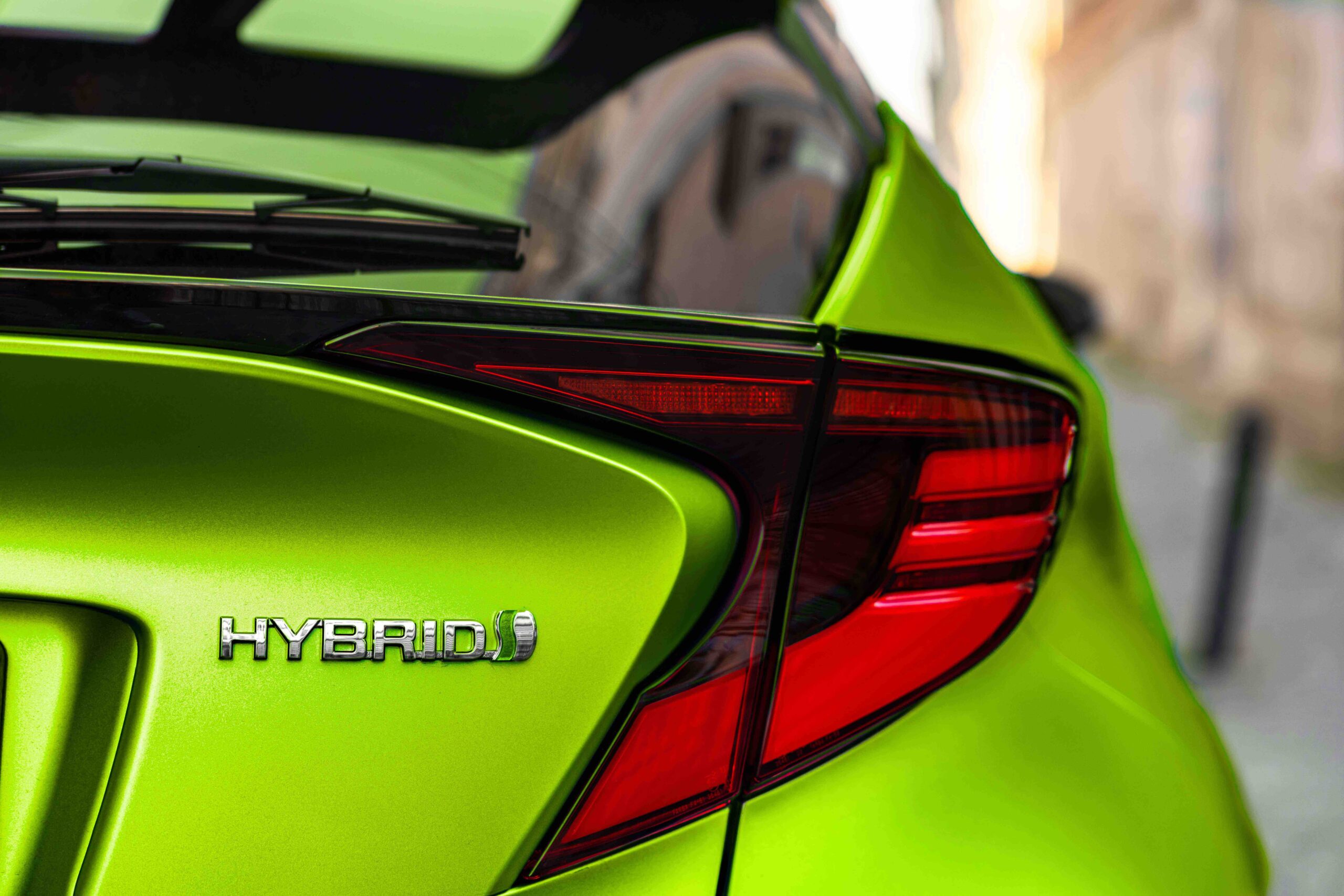
Hybrids offer a compelling balance between traditional combustion engines and modern electric efficiency. By combining a petrol engine with electric assistance, they deliver significantly improved fuel economy—often 30% to 50% better than comparable petrol models in mixed driving conditions. This alone positions them as a powerful tool in reducing monthly fuel spend.
But the appeal goes beyond efficiency. Hybrids eliminate one of the biggest concerns surrounding electric vehicles: range anxiety. With a petrol engine acting as backup, drivers can confidently tackle long journeys or travel through areas with limited charging infrastructure.
In urban environments, where stop-start traffic dominates, hybrids shine even brighter. The ability to operate on electric power during short commutes can drastically reduce fuel consumption, turning everyday driving into a more cost-effective experience.
Popular Choices Gaining Traction
South African motorists are increasingly gravitating toward proven hybrid models that balance performance, affordability and reliability. Vehicles such as the Toyota Corolla Cross Hybrid, Honda Fit Hybrid, Suzuki Grand Vitara Hybrid and Haval H6 Hybrid are gaining popularity as practical solutions in an unpredictable fuel landscape.
These models are not just trend-driven purchases—they represent a calculated shift toward smarter, more resilient mobility.
The Trade-Offs: A Balanced Perspective
While hybrids offer undeniable advantages, they are not without considerations.
On the plus side, they deliver excellent fuel efficiency without requiring full reliance on charging infrastructure. They are versatile across both city and highway driving, produce lower emissions than traditional vehicles, and offer a more accessible entry point than fully electric cars.
However, they still rely partially on petrol, meaning they are not completely insulated from fuel price increases. Maintenance can be slightly more complex due to the dual power system, and upfront costs may be marginally higher than equivalent non-hybrid models—though this is often offset over time through fuel savings.
Traditional petrol and diesel vehicles, by contrast, remain attractive for their lower purchase prices and widespread refuelling infrastructure. But in a volatile fuel environment, they leave drivers fully exposed to price shocks, higher long-term running costs, and greater environmental impact.
Lifestyle Determines the Decision
There is no one-size-fits-all solution. For drivers who frequently travel long distances or live outside major metros, hybrids strike a practical balance between efficiency and convenience. Those with high highway mileage and limited access to charging may still find value in fuel-efficient petrol or diesel options—for now.
However, for urban commuters and families looking to manage costs more effectively, hybrids are increasingly becoming the logical choice.
A Strategic Shift, Not a Trend
Industry voices are clear: this is not a passing phase—it is a shift in behaviour.
Errol Levin, CEO of Weelee, underscores the urgency of the moment. He points out that global instability has fundamentally changed how South Africans should think about mobility. With sustained volatility expected, pre-owned hybrids are emerging as a practical hedge against future fuel shocks—offering both immediate savings and long-term resilience.
Consumers now have access to a growing range of hybrid and fuel-efficient vehicles through platforms like Weelee, where cars are independently inspected, transparently priced, and supported by flexible financing options.
The Road Ahead
The message is becoming impossible to ignore. South Africa’s fuel crisis is not just about rising prices—it’s about changing behaviour.
In an era defined by uncertainty, smarter choices are no longer optional—they are essential. Pre-owned hybrids represent more than just a cost-saving alternative; they offer a strategic response to a global problem that has landed squarely on South African roads.
For motorists willing to adapt, the future of driving may not just be about getting from point A to point B—but doing so with resilience, efficiency, and control.