

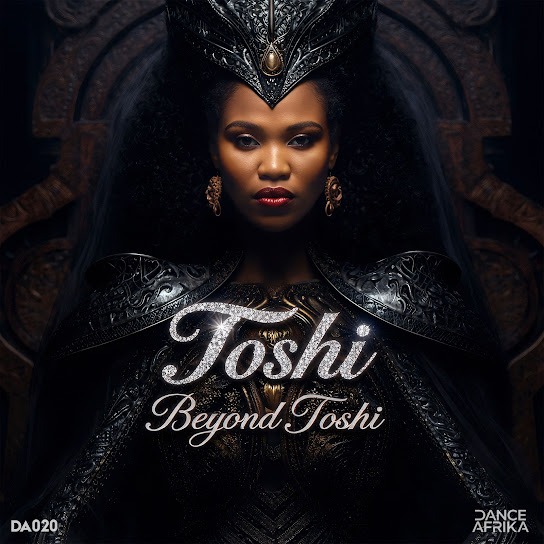
 There are albums that arrive and fade with the cycle of the moment — and then there are those that linger, echoing long after release day. Beyond Toshi is firmly the latter.
Released on Friday, 3 April 2026 via DanceAfrika, the 12-track body of work marked a defining moment in the career of Toshi. But more than that, it signalled a shift — not only in her personal journey, but in the broader trajectory of contemporary African sound.
What unfolded with Beyond Toshi was not just an album drop. It was a statement — one that continues to ripple through the industry.
A Sonic Journey That Still Feels Fresh
From the moment it landed, Beyond Toshi distinguished itself through intention. Rather than chasing trends, the album carved its own lane — weaving together Afro-Soul, Afro-House, Neo-Gospel and African Electronica into a seamless, emotionally rich listening experience.
Each track unfolded like a chapter, exploring love, identity, resilience and spiritual growth with a level of honesty that felt both intimate and expansive. It was clear that this was not simply music for the moment — it was music designed to endure.
Even now, the project continues to reveal new layers with every listen, a testament to its depth and craftsmanship.
Collaboration With Purpose
In an era driven by algorithm-friendly features, Beyond Toshi stood apart by choosing collaboration as a tool for storytelling rather than visibility.
The album brought together an exceptional lineup of South African talent — including Bokkieult, Cuebur, BC, Shona SA, Catzico, Frost, Spice, Inzima, Black Motion, Alie Keys, LATTY, Way Kay, Big Sbuda and Cazzyy — each adding nuance and dimension to the narrative.
The lead single Omale, featuring Bokkieult, introduced audiences to the album’s sonic world with a blend of soul and subtle intensity, while Sikelela featuring Shona SA deepened its spiritual undertones. Together, these releases set the tone for a project that prioritised meaning over momentary hype.
A Journey Years in the Making
The emotional weight of Beyond Toshi is rooted in the artist’s journey.
Long before global recognition, Toshi’s voice was shaped in church choirs and community spaces — environments where music carries both purpose and power. That foundation remained evident throughout the album, grounding its more experimental elements in something deeply human.
Her breakthrough alongside Black Coffee on Buya — a landmark record in South African dance music — introduced her to the world. But Beyond Toshi became the moment where she fully stepped into her own narrative.
Twelve years after that defining collaboration, this album felt less like a milestone and more like a culmination — a body of work that honoured the past while boldly shaping the future.
A Cultural Moment That Endures
At a time when African music continues to expand its global footprint, Beyond Toshi arrived as a reminder of the importance of authenticity.
It didn’t attempt to simplify its identity for broader appeal. Instead, it leaned into its complexity — inviting listeners into a rich, layered soundscape that reflects the diversity of African musical expression.
And that is precisely why it continues to resonate.
This is not an album that exists in a moment. It exists beyond it.
The Legacy of Beyond Toshi
Looking back, it’s clear that Beyond Toshi was never just about release day. It was about impact.
It is an album that continues to live — in playlists, in live sets, in quiet moments of reflection, and in the evolving sound of a continent that refuses to be boxed in.
For Toshi, it marked a powerful declaration: not just of who she is, but of where she is going.
And if this chapter is anything to go by, the journey is far from over.