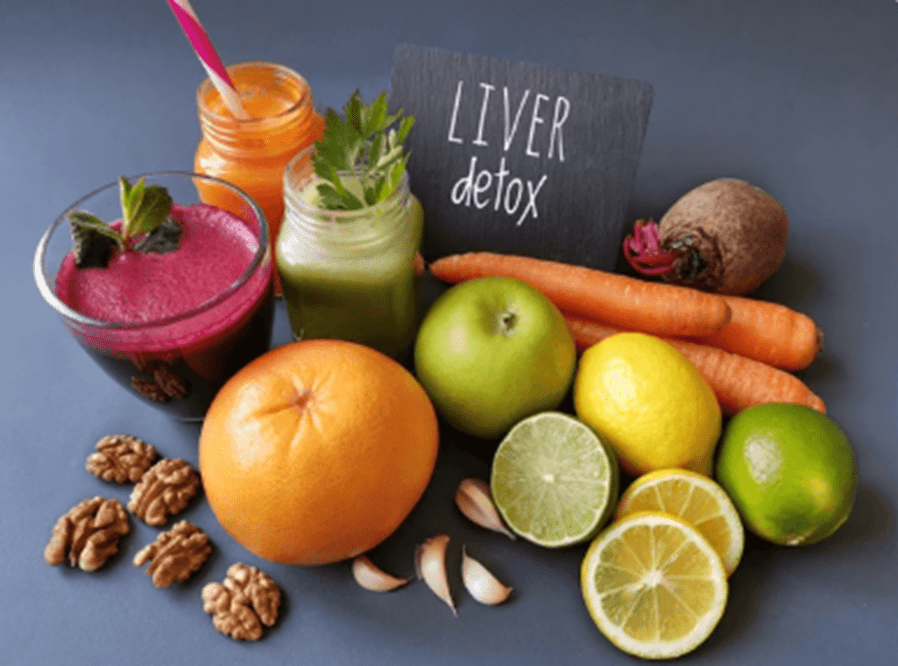
 Each January, detox diets and cleanses resurface with renewed force, marketed as the ultimate post-holiday reset. From juice cleanses to “liver detox” supplements, the promise is familiar: flush out toxins, reset the body and start the year feeling lighter and energised.
But health experts are increasingly pushing back against these claims — warning that the detox trend is built more on marketing than medical science.
A US study published in the peer-reviewed journal Nutrients found that around 26% of consumers have tried a juice cleanse or detox programme, highlighting just how entrenched detox culture has become. While the data is US-based, nutrition experts note that similar patterns are evident in countries with comparable wellness and supplement industries, including South Africa.
A booming industry built on cleansing claims
The popularity of detox diets is reflected not only in consumer behaviour but also in spending. January remains a strong sales period for detox and detox-adjacent products, particularly supplements positioned around liver support, digestion and cleansing.
These seasonal spikes form part of a rapidly expanding global detox market, which is forecast to grow from approximately USD 40.7 billion in 2025 to more than USD 72.6 billion by 2035 — despite growing scientific scrutiny.
“Your body is already detoxifying”
According to prominent dietitian Aziwe Booi, there is no credible scientific evidence that detox diets remove toxins or deliver lasting health benefits.
“The human body is naturally equipped with highly efficient elimination systems — primarily the liver, kidneys, lungs and digestive tract — that continuously remove waste without the need for special regimes or products,” says Booi.
She explains that while detox diets often promise rapid toxin elimination, weight loss and improved energy, research does not support these claims. In fact, some approaches may do more harm than good.
“Most detox protocols lack strong clinical evidence. Juice-only cleanses, for example, can lead to nutrient deficiencies, blood sugar fluctuations and negative metabolic effects,” she says.
Booi also highlights concerns around the supplements industry, which remains largely unregulated. “There is no requirement for many health claims to be verified. Products marketed for detox or weight loss often contain ingredients with laxative effects. Long-term use can be dangerous and may lead to dehydration and, in severe cases, hospitalisation.”
Research challenges detox narratives
The Nutrients study further challenges popular detox claims, finding that a three-day juice cleanse increased markers of inflammation and altered gut bacteria in ways associated with poorer digestive health — outcomes that directly contradict the idea of cleansing and gut ‘resetting’.
Another key concern, Booi notes, is the vague use of the term “toxins” in wellness marketing.
“Detox plans rarely define what toxins are being removed, how that process would work, or whether those substances are even harmful at typical dietary exposure levels,” she explains.
Health experts advocate balance, not cleanses
Rather than extreme restrictions, health professionals are urging a return to balance.
“Detox diets oversell the idea that we need to purge our bodies after a few days of celebration,” says Booi. “In reality, your body is detoxifying around the clock. If something sounds too good to be true, it probably is. Sustainable habits, not extreme regimes, support long-term well-being.”
Many detox programmes exclude essential nutrients such as balanced protein, healthy fats and fibre — all critical for metabolic and digestive health.
“You might feel lighter during a cleanse, but that’s often due to calorie restriction or temporarily cutting out alcohol and processed foods — not because you’ve eliminated toxins,” she says.
Rooibos: a credible, evidence-based alternative
For South Africans seeking a more grounded approach to post-holiday wellness, Rooibos is increasingly recognised as a scientifically credible option — not because it detoxifies, but because it supports everyday health.
“People often look for something to ‘fix’ festive overindulgence,” says Booi. “But the body already has effective detox systems. Rooibos doesn’t promise a quick fix — it supports hydration and balance, which is far more sustainable.”
Rooibos contains polyphenols such as aspalathin and quercetin, compounds associated with antioxidant activity and reduced oxidative stress — a process linked to inflammation and chronic disease risk. Research has also linked Rooibos consumption to improvements in cardiovascular and metabolic markers, while emerging gut-health studies suggest it may help protect the intestinal barrier and reduce inflammation in gut cells.
Naturally caffeine-free and low in tannins, Rooibos offers a practical alternative to sugary or highly caffeinated drinks, supporting long-term health rather than short-lived cleanses.
Building habits that actually last
Instead of chasing the next detox trend, Booi encourages a shift toward consistency and sustainability.
“Rather than asking what you need to cut out, ask what you can add to support your health,” she says.
She recommends focusing on simple, evidence-based habits:
-
Staying hydrated, including beverages like Rooibos
-
Eating fibre-rich meals with whole-food starches
-
Choosing colourful fruit and vegetables daily
-
Including lean protein sources such as chicken, fish, eggs, beans and legumes
-
Prioritising plant-based fats like nuts, seeds and avocado
-
Making physical activity part of daily life
-
Aiming for seven to nine hours of quality sleep
“Consistency with these habits is what truly supports long-term health,” Booi adds.
Caption
Aziwe Booi is a registered dietitian, media nutrition expert and wellness practitioner advocating for evidence-based, practical nutrition solutions.