On Freedom Day, the nation pauses to reflect on a defining moment in its history — the transition from oppression to democracy, and the restoration of dignity, voice, and rights to millions. Yet, as the celebrations echo across the country, a quieter, more uncomfortable truth lingers beneath the surface: for many young South Africans, freedom remains an idea more than a lived reality.
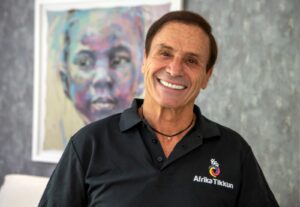
According to Afrika Tikkun, the gap between promise and reality is widening. In a powerful statement attributed to Group CEO Marc Lubner, the organisation calls attention to a generation caught between aspiration and limitation — a generation that is more connected, more informed, and more inspired than ever before, yet still locked out of meaningful economic participation.
A Generation Ready — But Not Included
South Africa’s youth are not lacking ambition. If anything, they are globally aware, digitally connected, and deeply motivated. Through the internet, they witness innovation, entrepreneurship, and opportunity unfolding across the world. But access remains the dividing line.
For many, the dream has been reduced to survival — informal trading, street-side hustles, and piecing together income streams rather than building sustainable careers. This is not due to a lack of drive, but rather a system struggling to keep pace with a rapidly evolving global economy.
The Education Disconnect
At the heart of the crisis lies a growing misalignment between education and employability. While traditional academic foundations remain important, they are no longer enough on their own.
Young people today need practical, future-focused skills — particularly in technology, digital literacy, and emerging industries. Without these, they are left navigating a job market that demands capabilities they were never equipped with.
This is not just an education issue. It is an economic one.
Rethinking Opportunity in a Changing Economy
Lubner’s statement pushes the conversation further, urging South Africa to rethink what “opportunity” truly means. Sectors like agritech, for example, present untapped potential in a country rich with natural resources. But unlocking that potential requires more than optimism — it demands coordination, investment, and collaboration between public and private sectors.
No single institution can solve this.
Government, business, and civil society must operate not in silos, but in partnership. While policy and incentives play a role, long-term change begins at the foundation — early childhood development, quality education, and accessible pathways into the workforce.
Beyond Philanthropy: A Call to Corporate South Africa
The private sector’s role is equally critical — but not as passive donors.
Real impact lies in creating scalable opportunities: jobs, skills pipelines, and entrepreneurial ecosystems that allow young people to transition from potential to participation. The challenge is not just to give — but to build.
Bridging the Gap: The Cradle-to-Career Model
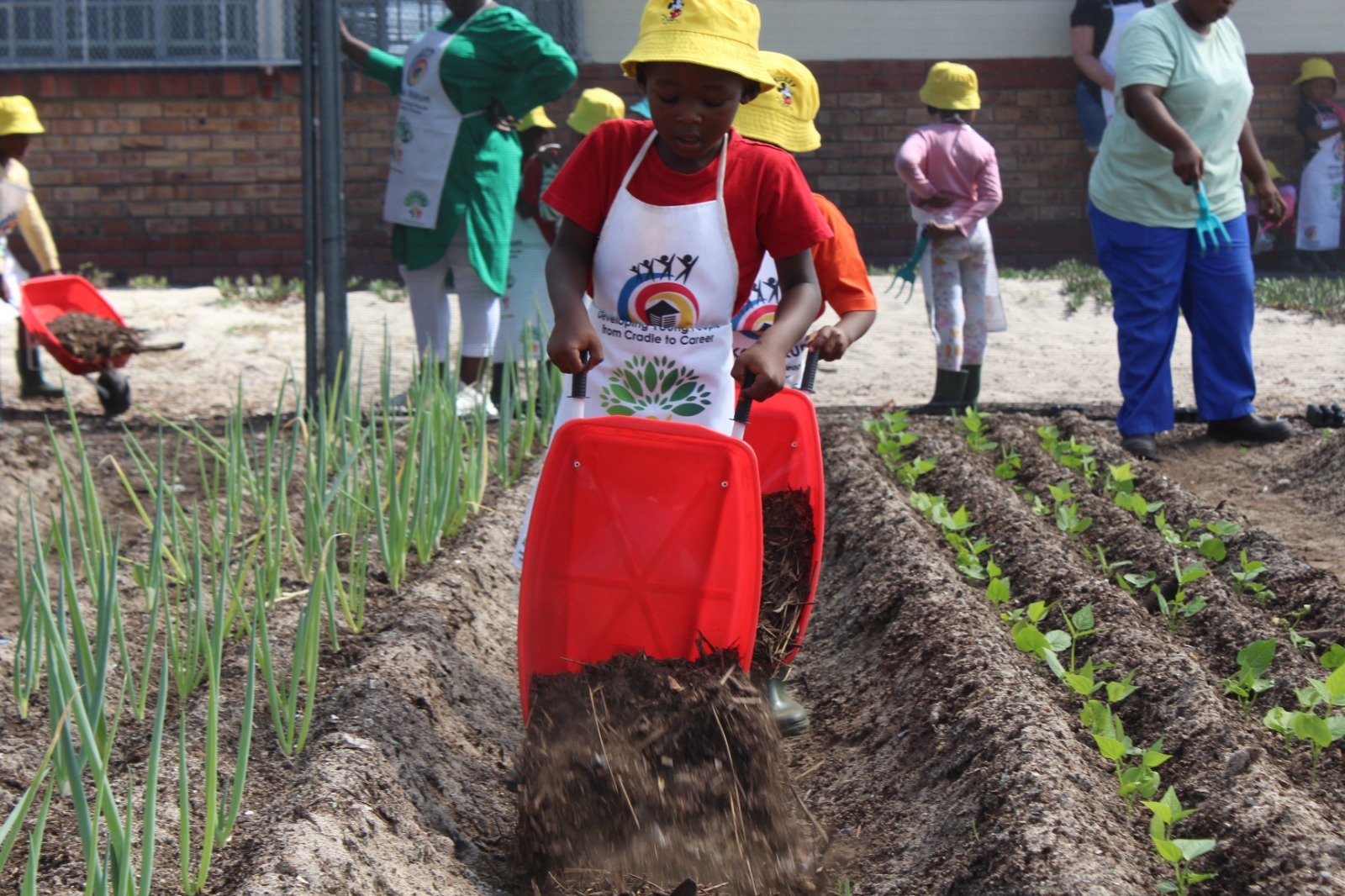
Afrika Tikkun’s response to this challenge is its Cradle-to-Career model — a long-term, structured approach designed to support young people from early childhood through to employment.
It is more than skills training. It is about equipping young South Africans with confidence, values, and a sense of purpose — the intangible assets that shape not just careers, but lives.
By connecting youth to real economic pathways, the model aims to close the gap between what is possible and what is accessible.
Freedom, Redefined
Freedom, in its truest sense, cannot exist in isolation from opportunity.
It is not only about the absence of oppression, but the presence of possibility — the ability to choose, to build, to participate, and to thrive. Until that reality is shared by all, South Africa’s democratic journey remains unfinished.
And for millions of young people still waiting, the question is no longer what freedom means — but when it will finally arrive.