For decades, medicine has largely focused on treating disease after it appears. But what if healthcare could intervene far earlier — not through pharmaceuticals alone, but through personalised nutrition designed specifically for your body’s internal ecosystem?
That is the future ENBIOSIS Biotechnology believes has already begun.
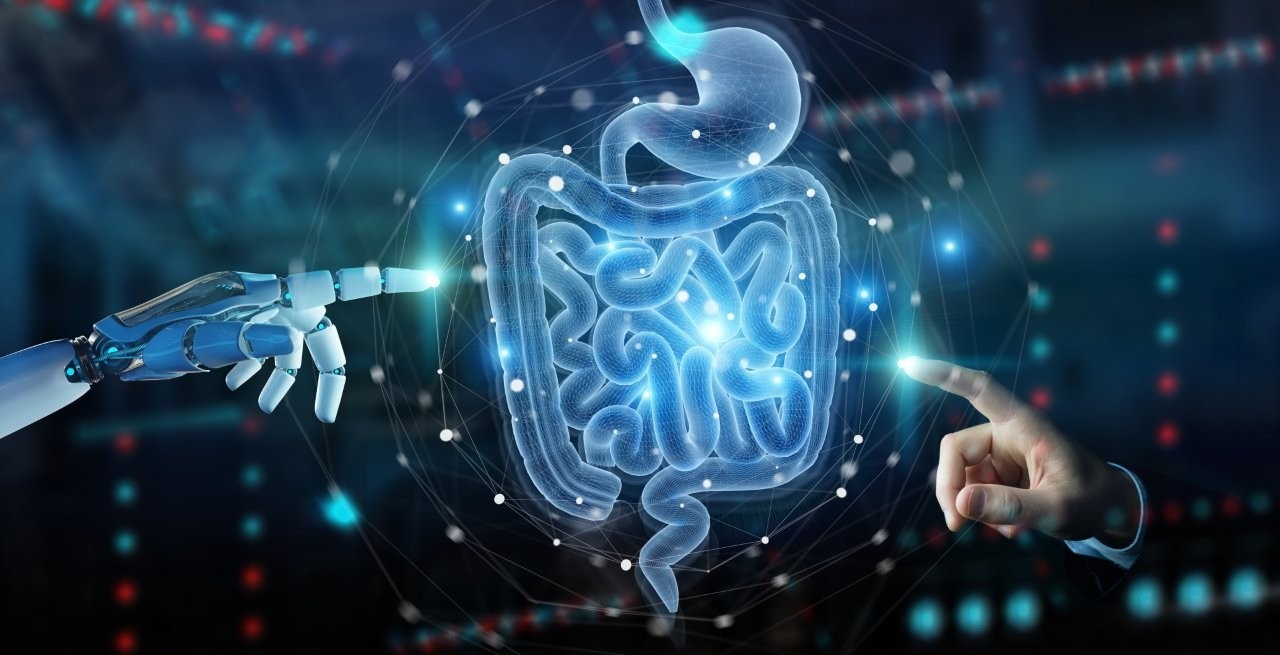
This week, the global health technology company deepened its South African engagement as it introduced ENBIOSIS 2.0 — an advanced AI-powered microbiome platform that moves beyond personalised dietary guidance into clinically validated, condition-specific nutraceutical formulations designed using food-grade ingredients.
At the centre of this scientific evolution lies a concept both ancient and revolutionary: food as medicine.
But ENBIOSIS 2.0 is not wellness culture wrapped in marketing language. It is rooted in computational biology, microbiome science, artificial intelligence, and clinical research — fields increasingly shaping the future of preventative healthcare worldwide.
And now, South Africa finds itself at the heart of that conversation.
The Invisible World Living Inside Us
Inside every human body exists an ecosystem more complex than many people realise.
The gut microbiome — trillions of bacteria, fungi, and microorganisms living within the digestive tract — plays a profound role in overall health. Far from being passive organisms, these microbial communities influence immune function, metabolism, inflammation, hormone balance, digestion, and even neurological function and mood.
In recent years, scientific research has established documented links between the microbiome and more than 100 health conditions, including irritable bowel syndrome, type 2 diabetes, autoimmune disorders, Alzheimer’s disease, and chronic inflammatory conditions.
Unlike genetics, however, the microbiome can potentially be influenced and modified.
That possibility is what ENBIOSIS Biotechnology has spent nearly two decades exploring.
Founded at the intersection of biotechnology and artificial intelligence, the company developed a platform capable of analysing individual microbiome profiles to generate highly personalised nutritional guidance. But with ENBIOSIS 2.0, the science has advanced significantly further.
 From Personalised Diets to AI-Designed Precision Formulations
Where the original ENBIOSIS platform focused on microbiome analysis and dietary recommendations, ENBIOSIS 2.0 introduces a far more advanced capability: AI-designed, condition-specific nutraceutical blends.
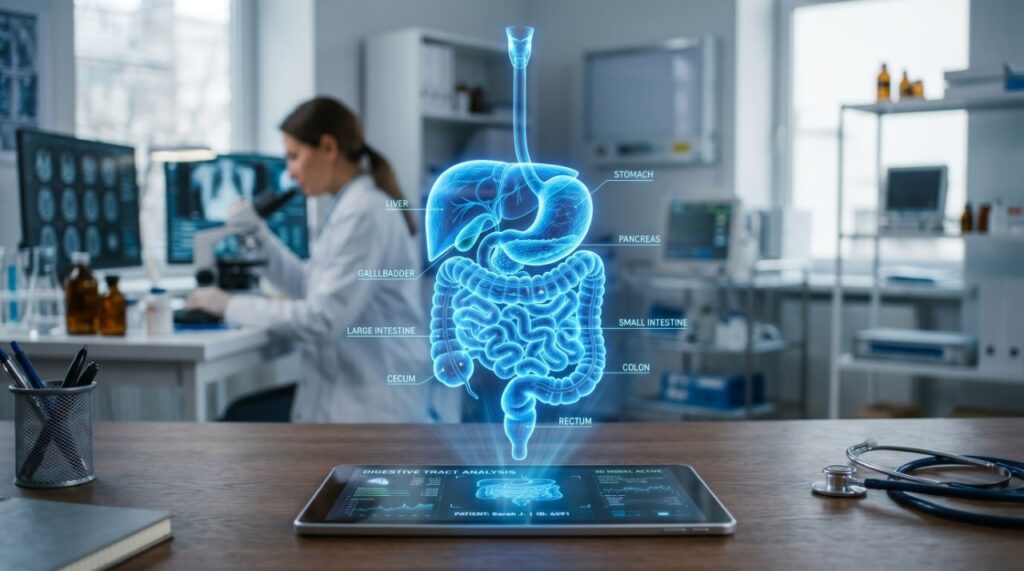
The technology operates using what the company calls a “Digital Twin” — a computational model that simulates how an individual’s gut microbiome is likely to respond to specific food-grade ingredients.
Instead of simply recommending healthier eating patterns, the platform works backwards from a targeted health outcome.
Using artificial intelligence, ENBIOSIS 2.0 identifies precise combinations of ingredients capable of prompting the gut’s own bacteria to produce therapeutic compounds the body specifically needs.
It is a fundamentally different approach to healthcare — one that positions the microbiome not only as a marker of health, but as an active therapeutic target.
All formulations are created using food-grade ingredients compliant with FDA and EFSA standards, with no pharmaceutical registration required.
The implications could be transformative.
Why South Africa Matters
While much of the world still views precision nutrition and microbiome medicine as emerging science, South Africa is rapidly becoming part of the global frontline of innovation in this field.
ENBIOSIS Biotechnology has been active in South Africa since 2023, and this week marks a significant step in its local engagement.
Ömer Özkan, CEO and Founder of ENBIOSIS Biotechnology, alongside Prof. Dr. Özkan Ufuk Nalbantoglu — the scientist whose microbiome AI algorithms were adopted by the Earth Microbiome Project, one of the world’s largest microbiome research initiatives — are currently in South Africa for strategic engagements with university medical faculties.
Joining them are Dr Hlosukwazi Khumalo, a clinical chemist and health innovator, and Lize Kruger, a precision health innovator from ENBIOSIS South Africa.
Together, the team is working directly with clinical educators and medical faculties to introduce microbiome science into the education of future healthcare practitioners, with a particular focus on gut health and gastrointestinal disease.
These are the same discussions currently influencing preventative medicine globally.
Now, they are happening inside South African lecture halls, laboratories, and clinical conversations.
“South Africa is not a late adopter in this story. It is one of the first movers,” said Ömer Özkan. “The conversations we are having with academic and clinical institutions here reflect a genuine appetite to understand where the science is heading and how it can make a real difference to patients.”
A Different Way to Think About Chronic Disease
South Africa continues to face a growing burden of chronic illness, including diabetes, inflammatory diseases, metabolic disorders, and gastrointestinal conditions.
Traditional healthcare systems often focus heavily on pharmaceutical interventions once disease has already progressed.
But microbiome science introduces another possibility: addressing underlying biological imbalances before they evolve into more severe disease states.
“South Africa carries a heavy burden of chronic disease, and we cannot address that through pharmaceuticals alone,” explained Dr Hlosukwazi Khumalo. “What this technology offers is a science-backed approach that uses food-grade formulations to target the underlying causes of these conditions through the gut microbiome.”
For future healthcare professionals, that shift could fundamentally change how medicine is practised.
“The work we are doing with medical students and clinical institutions is about giving the next generation of practitioners a different set of tools and a deeper understanding of where disease actually begins,” Dr Khumalo added.
Clinical Validation Moves the Science Forward
What distinguishes ENBIOSIS 2.0 from many wellness technologies entering the health market is its growing body of clinical validation.
The original ENBIOSIS platform has already been peer-reviewed in leading scientific journals and adopted by partners across 16 countries.
The company was also recognised as the Gold Medallist among 256 high-potential technology scale-ups from Europe, Turkey, and Israel at the UK Tech Rocketship Awards.
More importantly, early clinical outcomes are beginning to demonstrate measurable results.
The first formulation validated on the ENBIOSIS 2.0 platform — developed for dry eye disease — showed a 60.7% improvement in tear production among trial participants. By comparison, the most widely prescribed regulatory-approved treatment demonstrated approximately 40% improvement over the same period.
For researchers, clinicians, and investors alike, those figures represent more than marketing metrics. They signal a potentially scalable future for microbiome-targeted therapeutic nutrition.
“The science behind this platform has been two decades in the making,” said Prof. Dr. Özkan Ufuk Nalbantoglu. “We are now at the point where we can bring it into clinical education and apply it to conditions that affect millions of people.”
The Future of Personalised Health
ENBIOSIS Biotechnology’s 2026 clinical pipeline spans inflammatory bowel disease, type 2 diabetes, dermatological conditions, neurological diseases, and other microbiome-linked health challenges.
That breadth reflects the rapidly growing scientific understanding that the microbiome may influence nearly every major biological system in the human body.
Globally, healthcare is moving toward personalisation — treatments designed not for average populations, but for individual biology.
The microbiome could become one of the defining frontiers of that movement.
And as clinical trials continue across six disease areas, South Africa is no longer watching from the sidelines.
It is becoming part of the scientific journey itself.
In a healthcare landscape increasingly shaped by artificial intelligence, preventative medicine, and personalised care, ENBIOSIS 2.0 represents something larger than a biotechnology platform.
It represents a shift in how humanity may eventually think about disease altogether.
Not simply as something to treat once it appears — but as something the body, with the right nutritional signals, may one day learn to prevent from within.













Politically Aweh: Poll Dancing Brings Politics, Comedy and Facts to Cape Town