
South Africans are facing unprecedented levels of financial stress at home, according to the fifth annual Money-Stress Tracker by DebtBusters. The 2026 survey, which drew responses from more than 18,000 participants, reveals that 72% of South Africans admit to money stress — the highest level in five years.
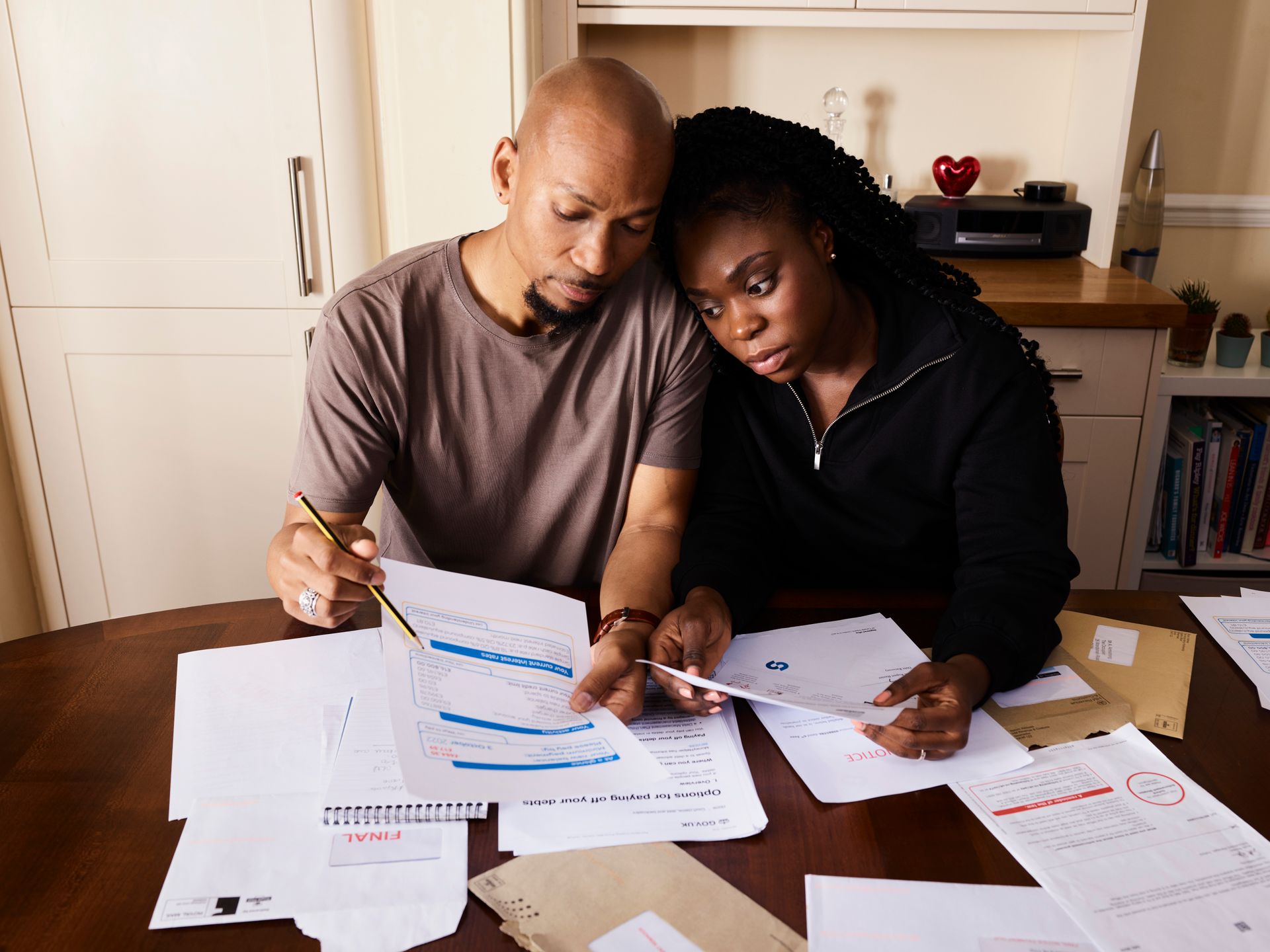
The findings paint a stark picture: home-life stress has surged to 42%, up by more than a third compared to 2025, and now at its highest since the survey began in 2022. Rising living costs have overtaken interest rates as the primary driver of financial anxiety. The top concerns are running out of money before month-end and struggling to cover debt repayments.
Inflation and the cost of essentials have intensified the crisis. Worry about electricity costs alone has nearly doubled — up 99% compared to last year. More than half of respondents now spend over 40% of their take-home pay on debt repayments, with middle-class earners (those taking home more than R20,000 a month) under the most pressure.
The stress is particularly acute among younger South Africans. Three-quarters of respondents under 35 report anxiety about their finances, while financial stress among those aged 24 or younger has jumped 18% in just one year. Women also continue to report significantly higher stress levels than men, especially in home-life pressures.
Psychologist Andrea Kellerman warns that when financial stress infiltrates the home, “emotional resources become depleted, patience decreases, communication deteriorates, and conflict becomes more likely.” The home, she explains, risks shifting from a place of restoration to another source of psychological strain.
Yet, there are glimmers of hope. Younger consumers are showing resilience and entrepreneurial spirit. They are 1.5 times more likely to stick to a budget, four times more likely to seek higher-paying jobs, and 58% more intent on tackling money stress head-on. Across the board, South Africans are finding creative ways to cope — from selling goods online to renting spare accommodation.
DebtBusters’ executive head, Benay Sager, notes that resistance to debt counselling has declined by 23% over the past three years. “Willingness to act, increased awareness, and less resistance to getting help offer hope that the 80% of South Africans with unsustainable debt levels will increasingly take the opportunity to rebuild their finances,” he says.
The Money-Stress Tracker, based on more than 130,000 responses over five years, highlights four critical indicators of financial strain: feeling money stress, experiencing home-life stress, spending more than 40% of income on debt repayments, and feeling stuck. All four indicators worsened in 2026, underscoring the urgency of addressing South Africa’s household financial crisis.