South Africa’s approach to public health should move beyond simply telling people to stop risky behaviours and instead focus on reducing preventable harm through practical, evidence-based interventions.
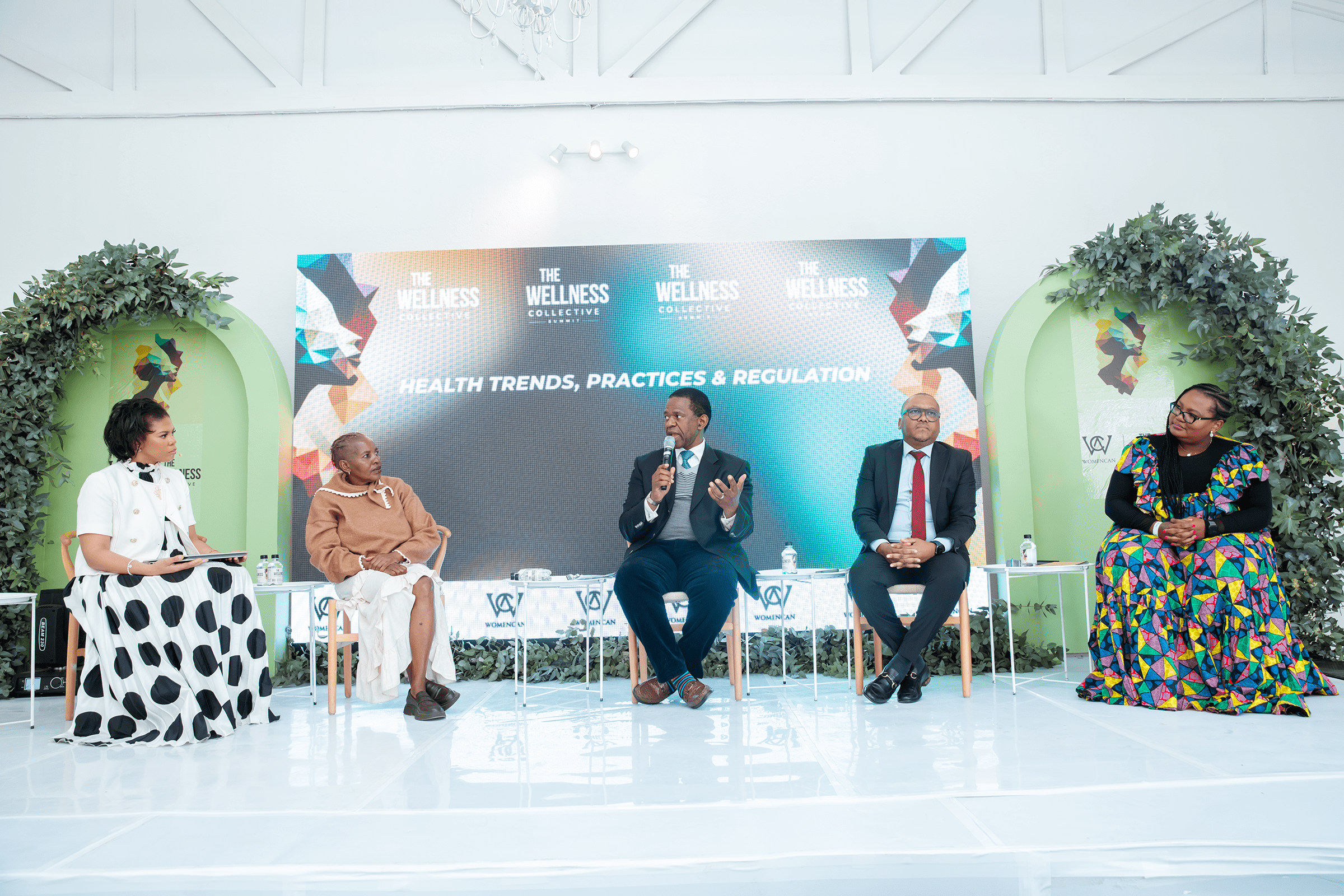
That was the central message shared by leading public health voices during The Wellness Collective, a gathering held in Johannesburg that explored how South Africa can shift from “selling harm” to promoting wellness.
The discussion comes at a significant moment, as Parliament prepares to begin clause-by-clause deliberations on the Tobacco Products and Electronic Delivery Systems Control Bill following the Portfolio Committee on Health’s adoption of a motion of desirability in June, moving the proposed legislation into its next phase.
Harm reduction already forms part of public health
Former Chairperson of Parliament’s Portfolio Committee on Health, Sibongiseni Dhlomo, said harm reduction is already deeply embedded within many government health programmes.
He pointed to interventions such as condom distribution, antiretroviral treatment and needle-exchange programmes for people who inject drugs as examples of policies designed to reduce health risks while supporting better long-term outcomes.
According to Dhlomo, government has a responsibility to reduce harm wherever possible, even when eliminating risk entirely may not be realistic.
“Government doesn’t simply tell people not to have sex. It provides condoms, antiretroviral treatment and education. That’s harm reduction.”
He explained that the same principle applies to people who inject drugs, where access to clean needles and syringes helps reduce the spread of HIV and hepatitis while encouraging people to seek treatment.
Applying the same thinking to tobacco
Dhlomo argued that tobacco policy should also be viewed through the lens of harm reduction.
“If someone cannot or will not stop using nicotine, should we encourage them to continue smoking cigarettes, or should we support them in switching to a less harmful alternative?”
Reflecting on the development of South Africa’s tobacco legislation, Dhlomo said extensive public participation played a key role in reshaping policymakers’ understanding of nicotine products.
During his tenure as Chairperson of Parliament’s Portfolio Committee on Health, lawmakers visited 27 municipalities, engaged with more than 7,900 participants, received over 40,000 written submissions and heard presentations from 52 organisations before refining the proposed legislation.
“The policy we ended up with was different from where we started because we listened to the evidence and to the public.”
He added that consultations with scientists, public health experts and industry representatives demonstrated that policy should distinguish between combustible tobacco products and non-combustible nicotine products.
“I was one of the people who initially viewed all nicotine products in the same way. It was only after hearing from experts that I better understood concepts such as the continuum of risk and why different products may require different regulatory approaches.”
Every healthier choice matters
Delivering the keynote address, Gauteng Health MEC Faith Mazibuko said harm reduction recognises that meaningful behavioural change often happens gradually rather than overnight.
“Harm reduction is about reducing preventable harm while helping people move towards healthier choices. It recognises that change does not always happen overnight, but every positive step towards better health matters.”
Mazibuko said this philosophy already underpins several public health initiatives.
“Government has applied this approach across many areas of public health, from encouraging healthier diets and responsible alcohol use to promoting safer sexual practices and protecting people from preventable diseases.
The message we carry is that prevention works, and every healthier choice contributes to building a healthier society.”
Turning to tobacco, she emphasised that preventing smoking remains the preferred public health outcome.
“The healthiest decision anyone can make is never to start smoking. For those who smoke, quitting completely remains the best option. However, we recognise that nicotine addiction is complex, and many people require support and guidance on their journey towards quitting.”
She added that healthcare professionals continue to recommend behavioural counselling, approved smoking cessation medicines and other evidence-based interventions to help people stop smoking.
For adults who are unable to quit immediately, Mazibuko said public health efforts should continue to focus on reducing harm while encouraging cessation.
A familiar concept in everyday life
Former Gauteng Health MEC and specialist gynaecologist Dr Bandile Masuku said harm reduction is a concept most South Africans already understand.
He compared it to wearing a seatbelt.
“When you get into your car, you put on your seatbelt. Wearing a seatbelt doesn’t eliminate the risk of being in an accident, but it significantly reduces the risk of serious injury or death. That’s harm reduction.”
Masuku agreed that government should continue developing policies that encourage healthier living.
Science should remain central
Also speaking at the event, Buhle Binta, Head of Scientific Engagement for Sub-Saharan Africa at Philip Morris International, said harm reduction recognises the reality that many adults continue to smoke despite public health campaigns.
According to Binta, the objective should remain helping smokers quit completely.
“The best choice is always to quit smoking completely. That’s the position we encourage. If you don’t smoke, don’t start.”
She noted that the World Health Organization estimates there are more than one billion smokers globally, while South Africa has around 11 million smokers who continue using combustible cigarettes.
For adults who are unwilling or unable to quit smoking, Binta said harm reduction focuses on encouraging a complete switch to less harmful, non-combustible alternatives.
She concluded that scientific evidence should continue guiding future policy discussions.
“Ultimately, science should guide these conversations. The evidence must continue to be evaluated, openly debated and communicated through appropriate regulatory frameworks and public education so that adult consumers can make informed decisions.”
As Parliament prepares to debate the next phase of South Africa’s tobacco legislation, discussions around harm reduction, public health and evidence-based policymaking are expected to remain at the centre of the national conversation.