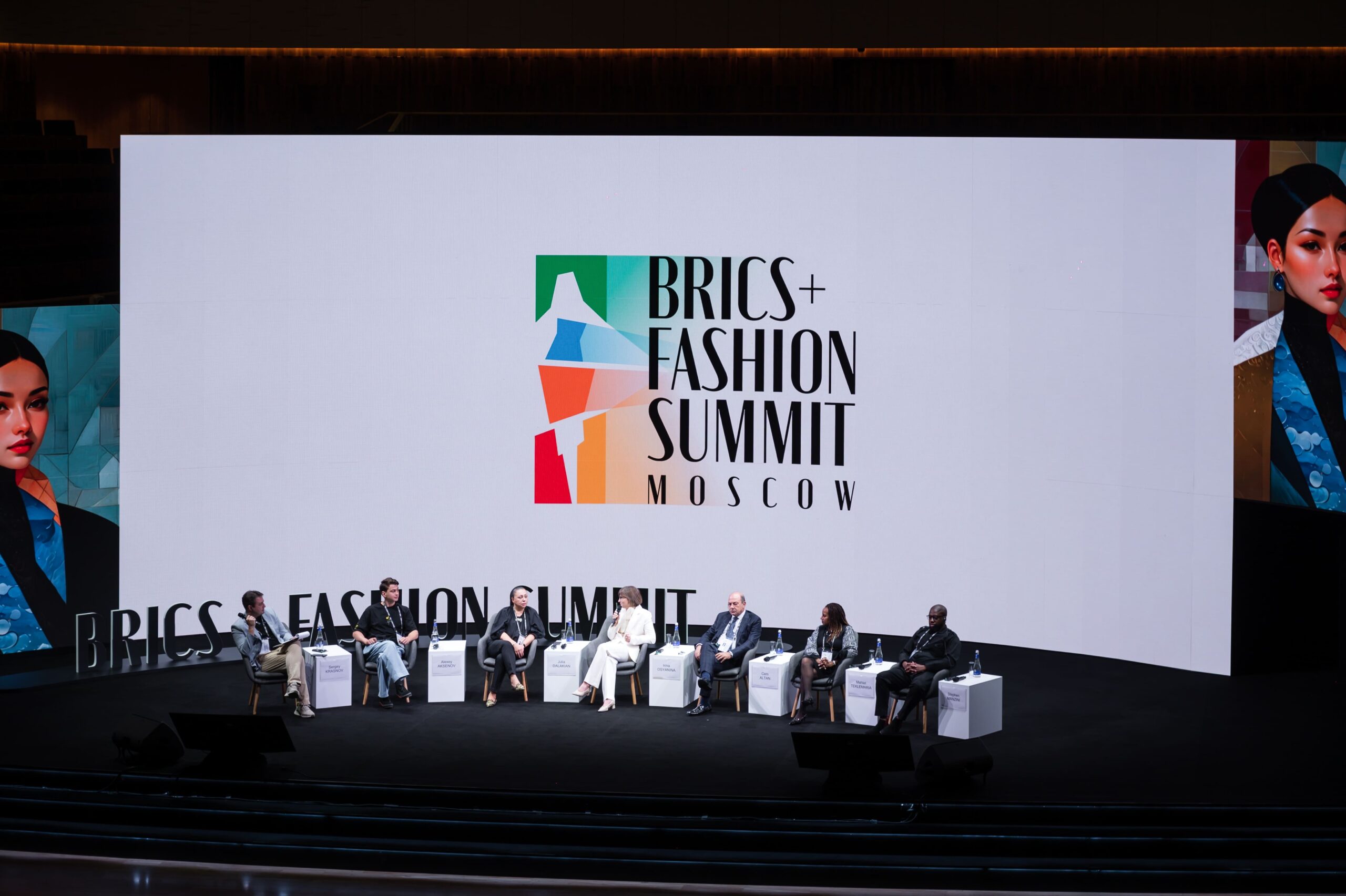
Fashion is often described through the clothes it produces. But behind every collection is an industry built on people, trade, manufacturing, creativity and access to new markets.
This September, those conversations will take centre stage in Moscow.
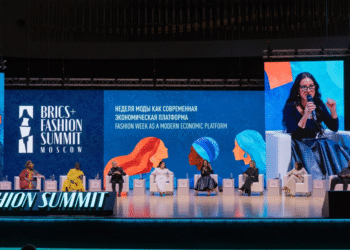
The fourth season of the BRICS+ Fashion Summit will take place from 28 to 30 September 2026, bringing together fashion industry leaders from Africa and other fast-growing economies.
Over recent years, the Summit has grown into what organisers describe as the largest event for the Fashion Business of Fast-Growing Economies, while becoming an important fixture on the international fashion industry calendar.
Last season alone, the event attracted more than 15,000 attendees and delegates from over 60 countries.
This year, Africa is set to have a particularly strong presence.
Africa arrives in force
South Africa will be represented by Stephen Manzini, CEO of Soweto Fashion Week and the South African Fashion Association, alongside Colleen Eitzen, co-founder of major retailer The Space.
They will be joined by fashion leaders from across the continent.
The African delegation includes Susan Sabet, Board Member and Secretary General of the Egyptian Fashion & Design Council and a BoF 500 member; Mahlet Teklemariam, Founder of Hub of Africa Fashion Week and a BoF 500 member; Hind Joudar, Founder and CEO of Maroc Fashion Week; Nana Addo Tamakloe of Accra Fashion Week; Brian James Kihindas of Kenya Fashion Council; Mmantlha Sankoloba, CEO of Botswana Exporters and Manufacturers Association; Kalistu Ramos Mukoroli, Director of MTC Windhoek Fashion Week; Tery Carola, CEO of Seychelles Fashion Week; and Dawson Deng, Co-Founder and Executive Director of South Sudan Fashion Week.
Other key stakeholders from the continent are also expected to participate.
For three days, the Summit will create space for African brands and manufacturers to discuss cooperation, build relationships and exchange experience with fashion professionals from across Africa.
The conversations will also extend beyond the continent, connecting African participants with representatives from fast-growing economies in Asia, the Middle East and Latin America who will come to Moscow.
From local runways to global markets
For South African fashion businesses, the opportunity extends beyond networking.
The BRICS+ Fashion Summit offers a platform to explore export opportunities and new ways of entering markets across other fast-growing economies.
There are already examples of African participants turning connections made through the Forum into potential commercial opportunities.
Botswana-based brand House of Ditso is discussing the possibility of establishing a presence in the Russian and CIS markets.
Meanwhile, MTC Windhoek Fashion Week is in talks with Moscow Fashion Week about a designer exchange programme.
These developments point to one of the Summit’s most significant possibilities: creating connections that can move African fashion beyond individual markets and towards broader international cooperation.
One table, an entire continent
Perhaps one of the most significant developments highlighted by the Summit’s African participation began with a meeting hosted by Brian James Kihindas, Director of Nairobi Fashion Week and of the Kenya Fashion Council.
The meeting brought together fashion week organisers from East, West, Southern and North Africa around the same table for the first time.
The significance was not simply who attended.
It was the conversation itself.
Fashion industries across Africa have largely developed in isolation, with many organisers concentrating on promoting talent within their own national borders. As a result, opportunities for cross-border trade, designer mobility and collective negotiating power have remained fragmented.
The Moscow meeting created a platform for African fashion leaders to connect, collaborate and consider a more unified approach to growing the continent’s fashion industry.
Kihindas says the meeting has since developed into something much larger.
“In Moscow, inspired by the broader BRICS framework of multilateral cooperation, we made a collective decision: To build a unified umbrella body for African fashion week conveners.”
According to Kihindas, what began as a meeting has evolved into an active network supported by a digital community hub.
Through that network, conveners regularly exchange insights on production standards, buyer acquisition, sponsor engagement and event logistics suited to African markets.
It is a development that puts collaboration at the heart of the conversation.
Stephen Manzini: “Our voices, stories and design philosophies”
For Stephen Manzini, the BRICS+ Fashion Summit represents more than another international industry gathering.
Returning to Moscow for the 2026 edition, the Soweto Fashion Week and South African Fashion Association CEO describes the Summit as an important communication platform for emerging countries, particularly those across Africa.
“It provides a rare space where our voices, stories, and design philosophies are seen and respected on equal footing.”
For African creatives, Manzini sees the Summit as a gateway to partnerships across the Global South.
He also points to fashion’s wider potential.
The industry, he says, can be positioned not only as a creative force, but also as an economic force.
That distinction matters.
Behind the runway lies an ecosystem of designers, manufacturers, retailers, organisers and other industry stakeholders. Bringing those players into conversations about markets, partnerships and cooperation could create opportunities that extend well beyond a single fashion week.
Moscow becomes the meeting point
The timing also places the BRICS+ Fashion Summit alongside another major fashion event in the Russian capital.
A new season of Moscow Fashion Week will run from 26 September to 1 October 2026 in Moscow.
Its programme is set to feature more than 70 runway shows by brands from over ten countries, with participating markets stretching from Türkiye to Sri Lanka and from Spain to China