

For millions of South Africans, gaming has become more than just a hobby. It is where friendships are formed, skills are sharpened and communities thrive. Yet for most players, those communities exist almost entirely online.
Whether through multiplayer servers, Discord chats, social media groups or livestreams, gamers regularly connect with people they’ve never met face-to-face.
Now, that is beginning to change.
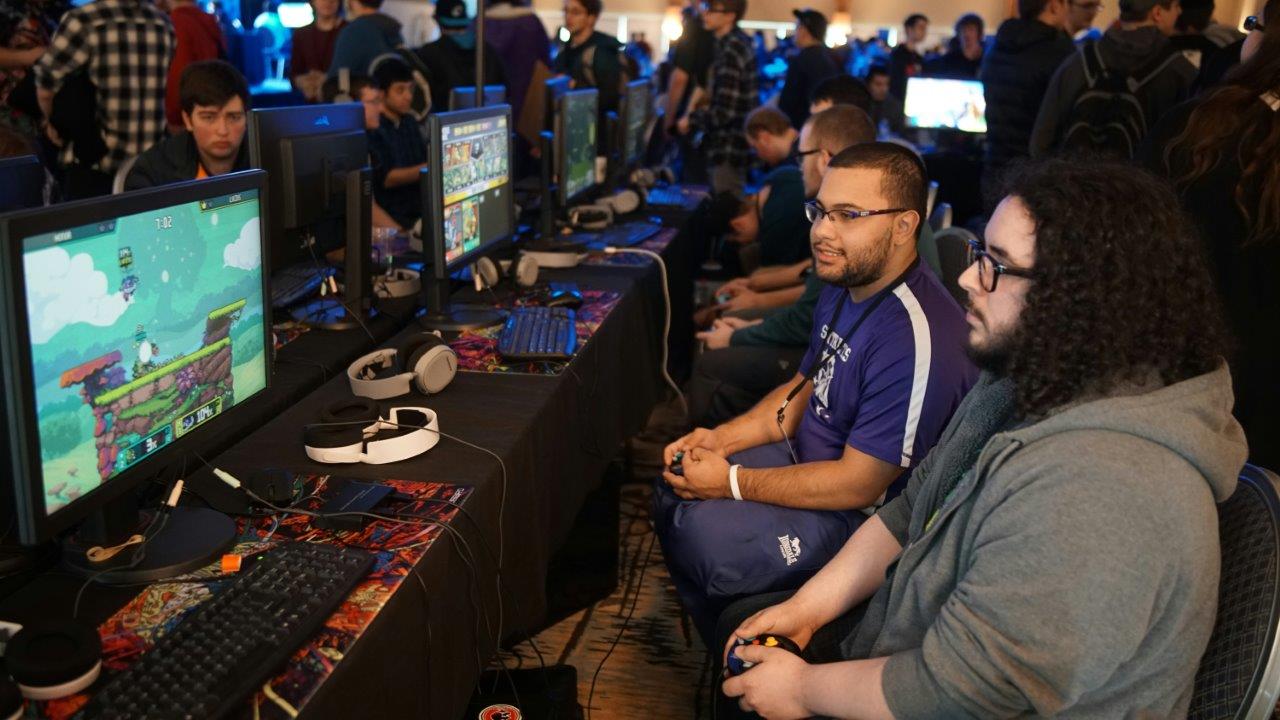
As competitive gaming continues to grow in popularity, public esports tournaments are creating opportunities for online communities to step away from their screens and connect in person. Shopping centres, once known primarily for retail and entertainment, are becoming gathering places where gaming culture is visible, accessible and shared with the wider public.
According to Christie Stanbridge, Brand and Campaigns Marketing Manager at Hyprop, host venue partner for South Africa’s largest mall-based esports tournament, these events are helping transform virtual communities into local ones.
 Taking Competitive Gaming Beyond the Screen
Competitive gaming is already familiar to millions of South Africans.
Many people know someone who plays competitively, have watched highlight clips online or followed major international tournaments.
However, for many, organised esports has remained something viewed from a distance.
Public tournaments change that.
Instead of existing only online, competitive gaming is placed in everyday environments where anyone can experience it firsthand.
Visitors walking through a shopping centre can pause to watch a closely contested match, observe players competing under pressure or simply experience the excitement that surrounds tournament play.
For many spectators, it becomes their first genuine introduction to esports.
Others begin to see competitive gaming as something far more structured than simply playing games at home.
Changing Perceptions Through Experience
Public tournaments offer more than entertainment.
They provide context.
Watching players compete reveals the concentration, quick decision-making and emotional control required during high-pressure matches.
Spectators also witness the sportsmanship that develops between competitors, particularly at local tournaments where many players finally meet face-to-face after knowing each other only through online platforms.
These experiences help reshape conversations around gaming.
Rather than debating whether gaming is positive or negative from the outside, people gain the opportunity to see the discipline, teamwork, resilience and technical skill involved for themselves.
Creating Equal Opportunities to Compete
Access remains one of the biggest challenges within competitive gaming.
Not every aspiring player owns a gaming PC, console or professional-quality controller.
Public tournaments help remove those barriers by providing the same equipment for everyone competing.
For many participants, it becomes their first opportunity to play on equal terms alongside experienced competitors.
The events also create an accessible entry point for newcomers.
Casual gamers can observe before entering a competition.
Younger players can learn how tournaments operate.
Parents gain a better understanding of the passion and ability behind their children’s interest in gaming.
For many first-time competitors, seeing the environment firsthand makes competitive gaming feel far more achievable.
Why Shopping Centres Are the Perfect Venue
Shopping centres offer something that dedicated gaming venues cannot.
They are already part of everyday community life.
Families visit to shop, dine, socialise and enjoy entertainment, making malls familiar and accessible public spaces.
Hosting esports tournaments in these environments removes the need for people to seek out specialised gaming venues.
Instead, competitive gaming becomes part of the normal rhythm of the shopping centre.
Visitors often stop out of curiosity, stay longer than expected, return to watch later rounds or bring friends and family back to experience the excitement.
Rather than feeling like a private gaming event placed inside a mall, the tournament becomes part of the community itself.
Giving Gaming Communities a Physical Home
Online friendships are an important part of modern gaming culture, but they are often invisible within the communities where players live.
Public tournaments help bridge that gap.
Players who have only interacted online finally meet in person.
Families gather to support competitors.
Spectators discover local gaming talent they may never have encountered otherwise.
The result is a stronger connection between online gaming communities and the neighbourhoods they call home.
More Than Competition
For Hyprop, the value of hosting gaming events extends beyond increased visitor numbers.
Gaming has become an important part of youth culture, and providing dedicated spaces for it reflects how communities are evolving.
By giving esports a visible platform alongside shopping, dining and other entertainment experiences, shopping centres acknowledge gaming as a legitimate form of community activity.
MTN SHIFT Shows What’s Possible
The MTN SHIFT Gaming Experience, hosted across Hyprop shopping centres, has demonstrated how naturally competitive gaming can fit into public spaces.
While the tournament centres on competition, much of its broader impact happens away from the screens.
First-time spectators stop to watch.
Families become engaged in the atmosphere.
Players build real-world friendships.
Local communities discover the excitement and inclusivity of esports.
These shared experiences continue long after the final match has ended.
A Community Waiting to Be Seen
Gaming does not need to be redefined or explained to earn recognition.
It simply needs opportunities to be experienced.
Public tournaments provide those opportunities by creating spaces where competitive gaming is visible, welcoming and accessible to everyone.
For some visitors, it begins with watching a single match.
For others, it starts with asking a question, supporting a child or discovering the skill behind competitive play.
Whatever the entry point, these events are helping transform digital connections into real communities—one tournament at a time.