

In a world filled with notifications, noise and endless stimulation, slowing down can feel like a luxury.
But what if it could begin at home?
Not with a meditation cushion. Not with an expensive renovation. Not even with a complete redesign.
It can begin with intention.
The spaces around us influence the rituals we create, the conversations we have and the moments we give our full attention to. When interior design is approached with purpose, a room becomes more than something beautiful to look at. It becomes part of how we live.
That is the thinking behind intentional living through interior design: creating surroundings that reflect what matters and support the way you want to spend your time.
 Start With How You Want to Live
Before choosing a paint colour or buying another piece of furniture, ask a more important question:
What do I want this space to help me do?
If the goal is to spend more meaningful time with family and friends, arrange seating so people face one another rather than automatically facing the television.
If calm and restoration are the priority, create a quiet reading corner with supportive seating and soft lighting.
Perhaps the space needs to accommodate morning coffee, game nights, creative projects or moments of peaceful solitude.
Whatever the ritual, let it guide the design.
This creates a simple design compass. From furniture and lighting to colour and accessories, every decision should support the activities that matter most.
Less Visual Noise, More Breathing Room
Intentional design also means becoming more selective about what remains visible.
The goal is not to create a stark or sterile home. Instead, it is about removing distractions and keeping the things that either bring genuine joy or serve a clear purpose.
Closed storage can help.
Cabinets, shelving with doors and baskets allow everyday necessities to remain accessible without allowing them to dominate the room.
Think about the chargers, paperwork and miscellaneous items that accumulate throughout the day.
When they are concealed, the room gains visual breathing space.
The result is not emptiness.
It is clarity.
Every visible object becomes more meaningful because it has been deliberately chosen to remain in view.
Choose Permanence Over Passing Trends
Interior trends can be exciting.
But a home does not need to change every time social media discovers a new aesthetic.
Instead, consider investing in a smaller number of well-made pieces that can stay with you for years.
Natural materials such as solid wood, linen, stone and leather can develop character over time. Their changing appearance can add warmth and a sense of permanence to a room.
The same thinking can apply to colour.
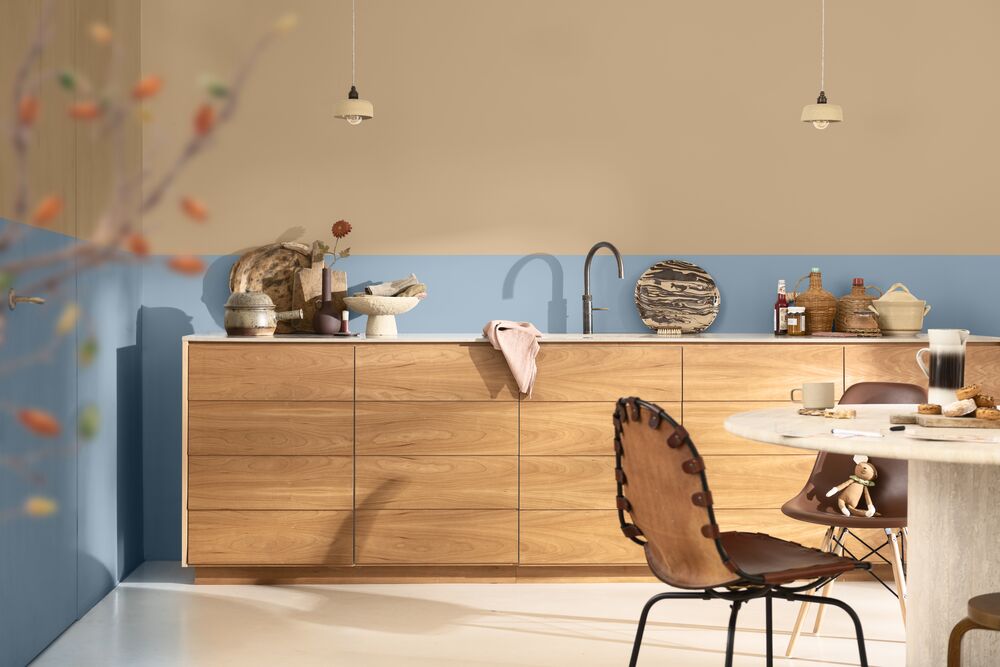
Dulux Colour of the Year 2026 offers a curated family of blues designed with longevity in mind, giving homeowners a palette that can evolve with their spaces rather than quickly becoming dated.
The idea is simple: create a strong foundation.
Then change smaller accents when your tastes shift.
That way, your entire space does not have to be reinvented every time your style evolves.
Let Colour Set the Mood
Colour can completely change the feeling of a room.
The key is to choose it with purpose rather than impulse.
Soft greens and warm greys can help create a feeling of relaxation and calm by connecting a space with natural tones.
Deeper shades such as forest green, navy and warm charcoal can create intimacy and depth, making them suited to spaces designed for creativity and conversation.
Warm tones can communicate a sense of safety, while cooler tones can support focus and mental clarity.
As Palesa Ramaisa, Dulux Colour Expert, explains:
“Colour is the invisible language of your space. It speaks directly to your nervous system before you even consciously register it.”
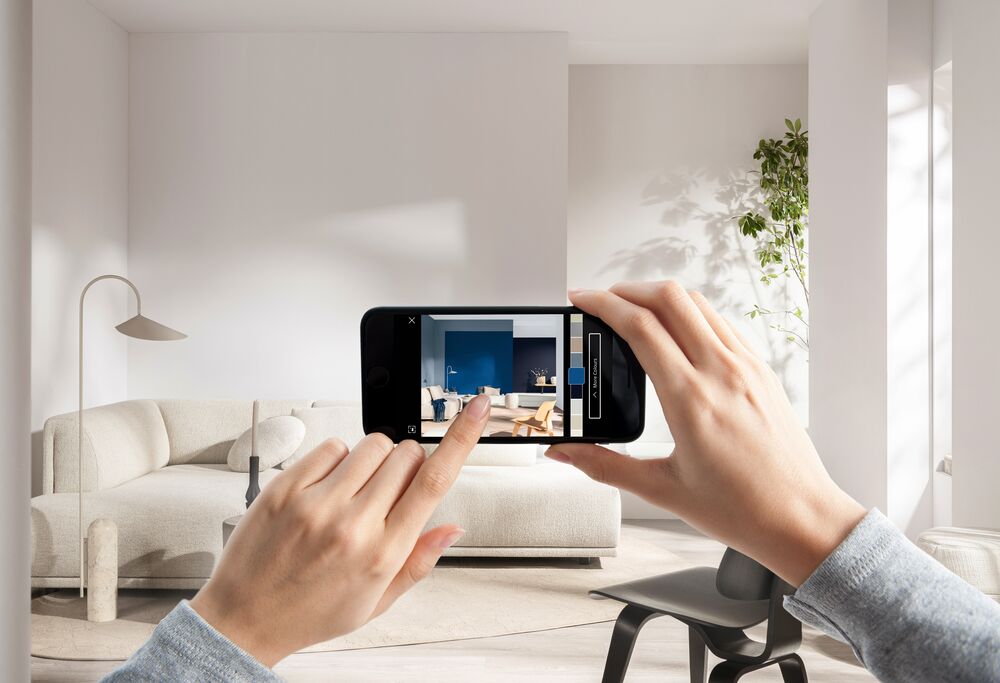
Before committing to a colour, homeowners can use the Dulux Visualizer app to see how different shades respond to the natural light in their room.
That extra step can help turn colour selection from a spontaneous decision into a more considered part of the design process.
Make the Everyday Beautiful
Perhaps one of the simplest ways to practise intentional design is to rethink ordinary objects.
Everyday supplies do not have to look like clutter.
Laundry soap can be placed in glass jars. Fruit can be displayed in ceramic bowls. Tea can be stored in matching canisters.
The objects remain functional.
But they also become part of the visual experience of the room.
Suddenly, the kitchen can feel like a gallery of purpose.
The bathroom can become a more peaceful retreat.
The workspace can become a reflection of care.
It is a reminder that even repetitive routines can contain moments of beauty when we pay attention to how our surroundings support them.
Your Home Does Not Need to Be Perfect
Intentional living is not about creating a picture-perfect home.
It is about creating a home that makes sense for you.
That distinction matters.
You do not need an expensive makeover to make your environment more supportive. You need clarity about what matters, followed by the discipline to let that understanding guide your choices.
Paint your walls to support the mood you want.
Curate your belongings to reduce unnecessary visual noise.
Arrange furniture to encourage the connections you value.
Choose pieces that can live with you rather than simply follow a trend.
Because when your surroundings reflect your intentions, they can make it easier to be present in the life happening around you.
The most meaningful design choice may not be the most expensive piece in the room.
It may simply be creating a space that reminds you to slow down, connect, create and enjoy the ordinary moments that make up everyday life.
The life you want to live begins with the spaces you create for it.