

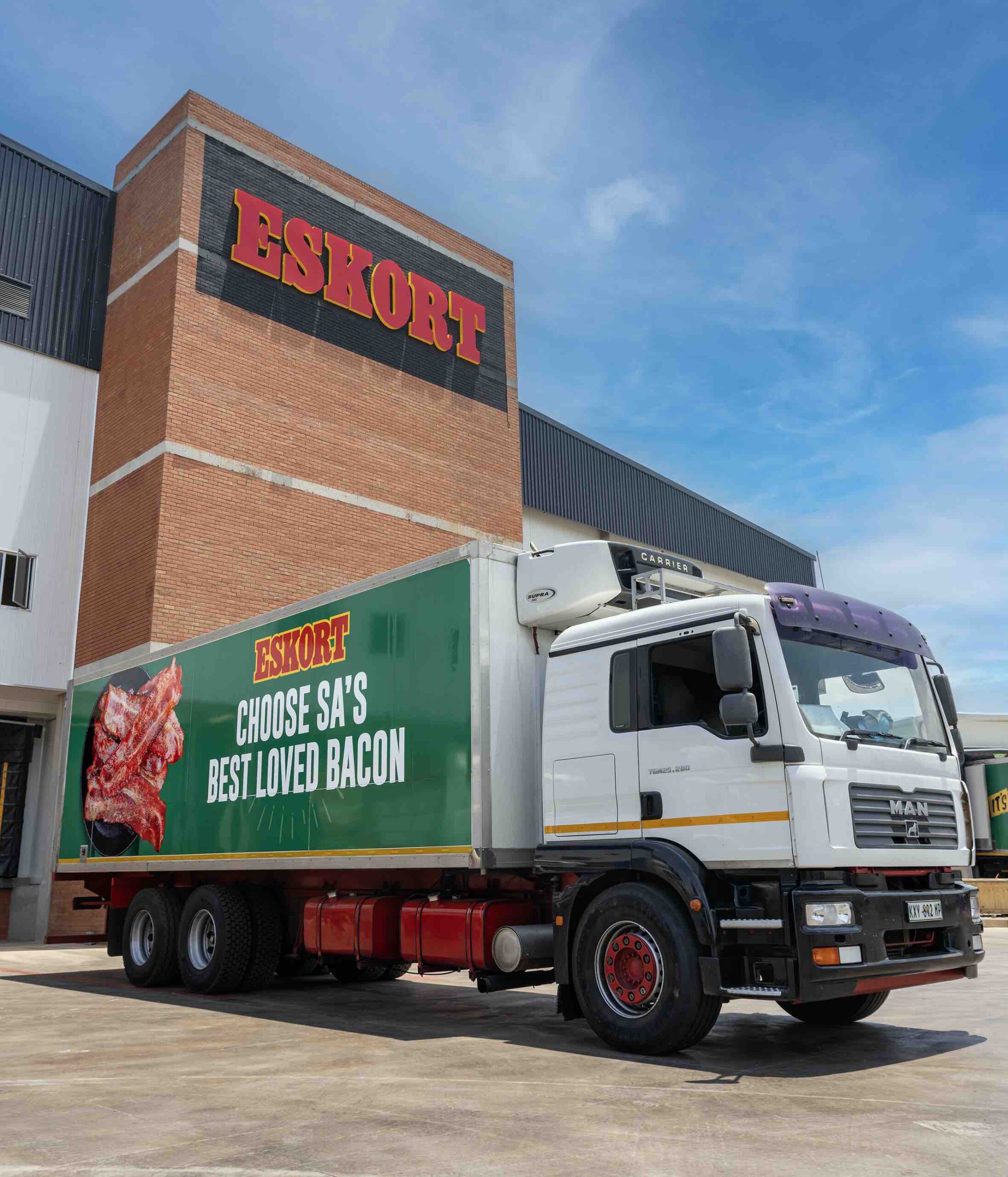
South African consumers are beginning to see welcome relief at the checkout as pork prices fall following a dramatic shift in the country’s pork market. What started as concerns over potential shortages has quickly transformed into a significant oversupply, pushing prices down and creating better value for shoppers.
According to Eskort CEO Arnold Prinsloo, the local pork market has experienced a rapid turnaround after earlier outbreaks of African Swine Fever (ASF) and Foot-and-Mouth Disease (FMD) temporarily disrupted production and prompted precautionary imports.
Today, that combination of recovering local supply and imported pork entering the market has created a surplus that is driving prices lower across the value chain.
From Supply Fears to Market Surplus
Earlier this year, concerns surrounding African Swine Fever and Foot-and-Mouth Disease raised fears that South Africa could face a shortage of locally produced pork.
To avoid supply disruptions, processors secured imported pork. However, because imported meat typically takes between eight and ten weeks to reach South Africa, the shipments arrived just as local producers completed mandatory disease control restrictions and resumed normal production.
The result was a market supplied by both imported and recovered local production at the same time.
“Instead of the shortages many anticipated, the market has swung in the opposite direction,” says Arnold Prinsloo, CEO of Eskort. “Imports arrived at the same time as local supply recovered, creating a significant surplus of pork.”
Why Supply Increased So Quickly
Under South Africa’s animal health regulations, farms affected by Foot-and-Mouth Disease remain under restrictions for a minimum of 42 days after no new symptoms are detected.
While these measures are essential for controlling disease outbreaks, they also delay the movement of market-ready animals.
Once restrictions are lifted, that backlog enters the market in a relatively short period, increasing supply significantly.
When combined with imported pork already en route and softer consumer demand following previous price increases, the result has been a substantial oversupply that has placed downward pressure on prices.
According to Prinsloo, the market is expected to stabilise closer to its historical average of around R32/kg as supply and demand gradually return to balance.
Consumers Are Already Seeing Lower Prices
The changing market conditions are already translating into noticeable savings on supermarket shelves.
Eskort says several popular pork products have seen significant price reductions, including:
- Pork chops, reduced from around R120/kg to approximately R80/kg
- Boerewors, dropping from roughly R120/kg to about R100/kg
- Three-pack bacon promotions, decreasing from around R130 to approximately R100
The overall market price for pork has also fallen substantially, declining from around R40/kg to approximately R30/kg.
Good News for Households
With food prices remaining a major concern for many South African families, lower pork prices offer some welcome financial relief.
“The current market conditions are good news for consumers,” says Prinsloo. “We have ample supply, lower prices and, importantly, no food safety risk to consumers.”
The price reductions come at a time when households continue to manage higher living costs, making more affordable protein options particularly significant.
A Reminder of the Importance of Biosecurity
While consumers are benefiting from lower prices, Prinsloo says the recent disease outbreaks highlight the ongoing importance of protecting South Africa’s livestock sector.
He notes that continued investment in biosecurity, veterinary services and disease surveillance remains essential to safeguard the country’s agricultural industry and support long-term food security.
As supply and demand gradually rebalance over the coming months, the market is expected to move towards more sustainable pricing while maintaining stable availability for consumers.