For many South African travellers, the best part of visiting a new city is no longer ticking landmarks off a list.
It is the unexpected moments in between.
The tiny café discovered down a side street. The local conversation overheard at a market stall. The meal eaten standing on a crowded pavement that somehow becomes more memorable than any carefully planned itinerary.
And in Bangkok, those moments happen everywhere.
As global travellers increasingly prioritise immersive, experience-led travel, Bangkok is rapidly cementing itself as one of the world’s great food capitals — a city where culture, community and flavour collide in ways that feel immediate, energetic and deeply human.
For South Africans especially, whose travel habits increasingly lean toward authentic connection over rigid luxury, Bangkok’s street food culture offers something far richer than simply good meals.
It offers access to the rhythm of the city itself.
Bangkok’s Streets Tell the Story of the City
In Bangkok, food is not confined to restaurants or reserved for special occasions.
It exists in motion.
It spills onto pavements, fills neon-lit alleyways and transforms ordinary street corners into gathering places alive with smoke, conversation and energy.
According to Ahman Mad Adam, food remains one of the most important ways travellers connect with Thailand’s culture.
“Food plays an essential role in how travellers experience Thailand. Street food, in particular, allows visitors to engage directly with Thai culture. It’s where tradition, community and everyday life come together.”
That connection is precisely what continues drawing international visitors to Bangkok’s bustling markets and food districts.
Unlike curated tourist experiences designed purely for spectacle, Bangkok’s food culture feels lived-in and authentic because it is exactly that.
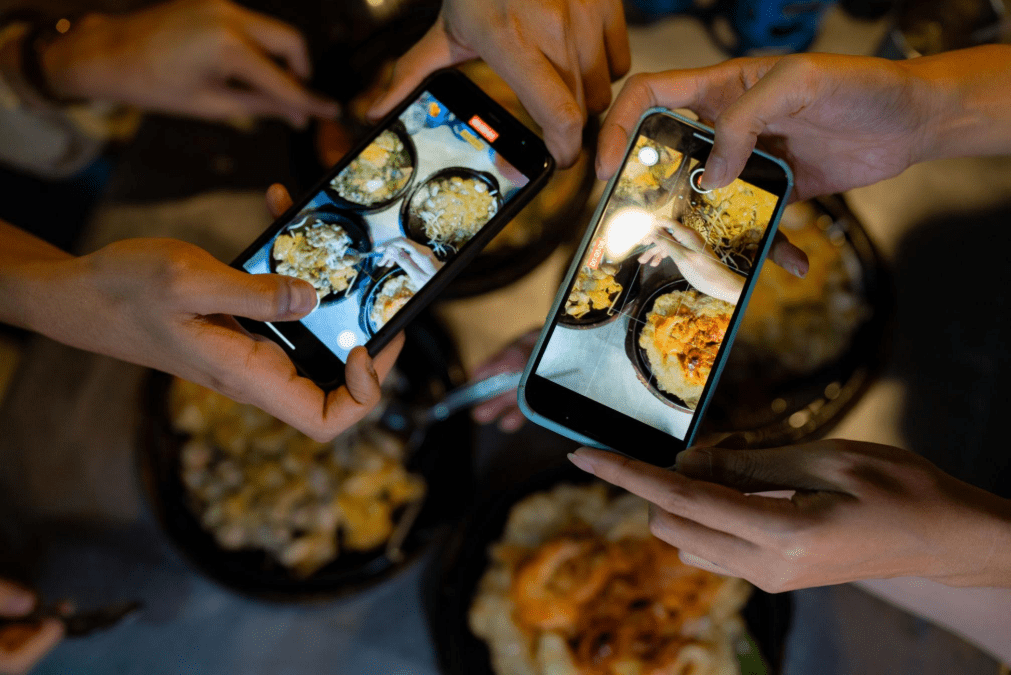
Office workers grabbing dinner after long days. Families gathering around shared dishes. Friends lingering over late-night snacks. Travellers finding themselves shoulder to shoulder with locals, united by the simple instinct to follow the best aromas drifting through the streets.
 Yaowarat Road: Bangkok’s Electric Culinary Heartbeat
Few places capture Bangkok’s street food identity more vividly than Yaowarat Road in Chinatown.
As evening falls, the district transforms into a sprawling open-air kitchen illuminated by glowing neon signs and the constant movement of crowds weaving between vendors.
Woks erupt into flames. Seafood grills crackle. Conversations overlap with the sound of metal spatulas striking hot pans.
The atmosphere is chaotic in the best possible way.
But that unpredictability is exactly what makes the experience unforgettable.
At Yaowarat, travellers quickly realise there is little value in overplanning what to eat. The best approach is often the simplest one: follow the crowds, trust your instincts and stay curious.
Chatuchak Weekend Market: A Food Destination Disguised as a Shopping Experience
While Chatuchak Weekend Market is internationally known for shopping, food quietly becomes the heartbeat that keeps the enormous market alive.
Between endless rows of stalls selling fashion, décor and handmade goods, visitors encounter a constant stream of grilled meats, tropical fruit, fresh juices and coconut-based desserts that offer relief from the city’s humid energy.
For many travellers, these food breaks become just as memorable as the shopping itself.
The market’s scale creates an almost city-within-a-city atmosphere — one where discovering a hidden food stall often feels like uncovering a local secret.
Ratchada Train Night Market and Bangkok’s Social Energy
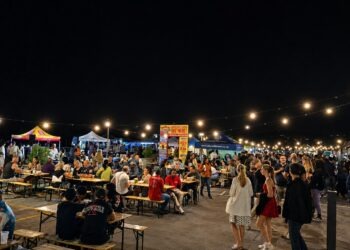
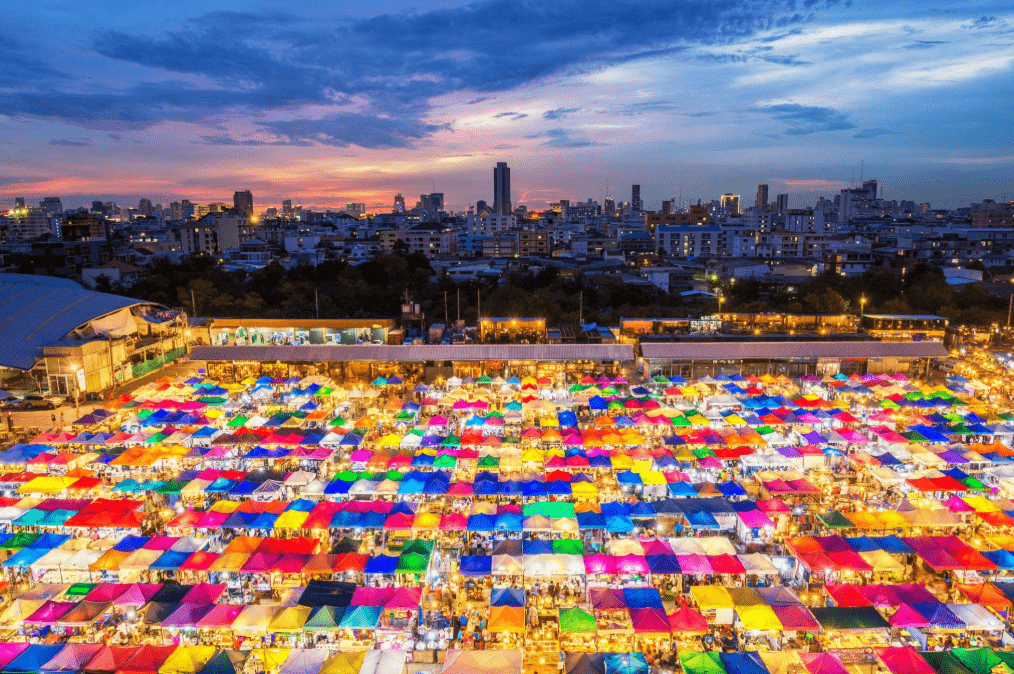
For travellers seeking a more contemporary nightlife atmosphere, Ratchada Train Night Market offers a younger, more social interpretation of Bangkok’s food culture.
The market thrives on movement and spontaneity.
People wander slowly between stalls, sampling different dishes while conversations drift between tables and live music competes with the hum of the city beyond.
Unlike destination dining built around reservations and structure, Ratchada feels intentionally open-ended.
The experience becomes less about specific dishes and more about absorbing the mood around you.
The Dishes That Keep Travellers Coming Back
Of course, there are certain flavours visitors encounter repeatedly across Bangkok’s streets.
Pad Thai arrives sizzling and freshly prepared in front of you.
Som Tam cuts through the heat with sharp spice and acidity.
And Mango Sticky Rice delivers the kind of sweet comfort that often becomes the final stop before heading home for the night.
Yet what makes Thai street food unforgettable is not simply individual dishes.
It is balance.
Heat against sweetness. Acidity against richness. Crunch beside softness. Every flavour and texture working together in a way that somehow feels effortless.
Why South Africans Are Choosing Experience-Led Travel
As South African travellers increasingly prioritise cultural immersion over conventional tourism, destinations like Bangkok continue gaining momentum.
The city offers something many modern travellers now crave: authenticity that feels accessible rather than staged.
And often, the memories that linger longest are not tied to famous landmarks at all.
They happen unexpectedly.
Standing on a crowded Bangkok pavement with a paper plate in hand. Trying something unfamiliar. Realising halfway through the meal that it may become the thing you remember most about the entire trip.
That, perhaps, is the real magic of Bangkok.
Not simply that it feeds you.
But that somewhere between the neon lights, smoky food stalls and crowded streets, the city invites you to feel part of it — even if only for one unforgettable night.