South Africa’s young people are growing up in a world shaped by pressure, uncertainty and increasingly complex social realities.
They are navigating identity, relationships, emotional wellbeing and expectations while living in a country still deeply affected by gender-based violence, youth unemployment and a shortage of safe spaces where honest conversations can happen openly and without judgement.
And for many young South Africans, those conversations are long overdue.
Now, a bold national youth education initiative is attempting to change that narrative from the ground up.
A National Programme Built Around Difficult but Necessary Conversations
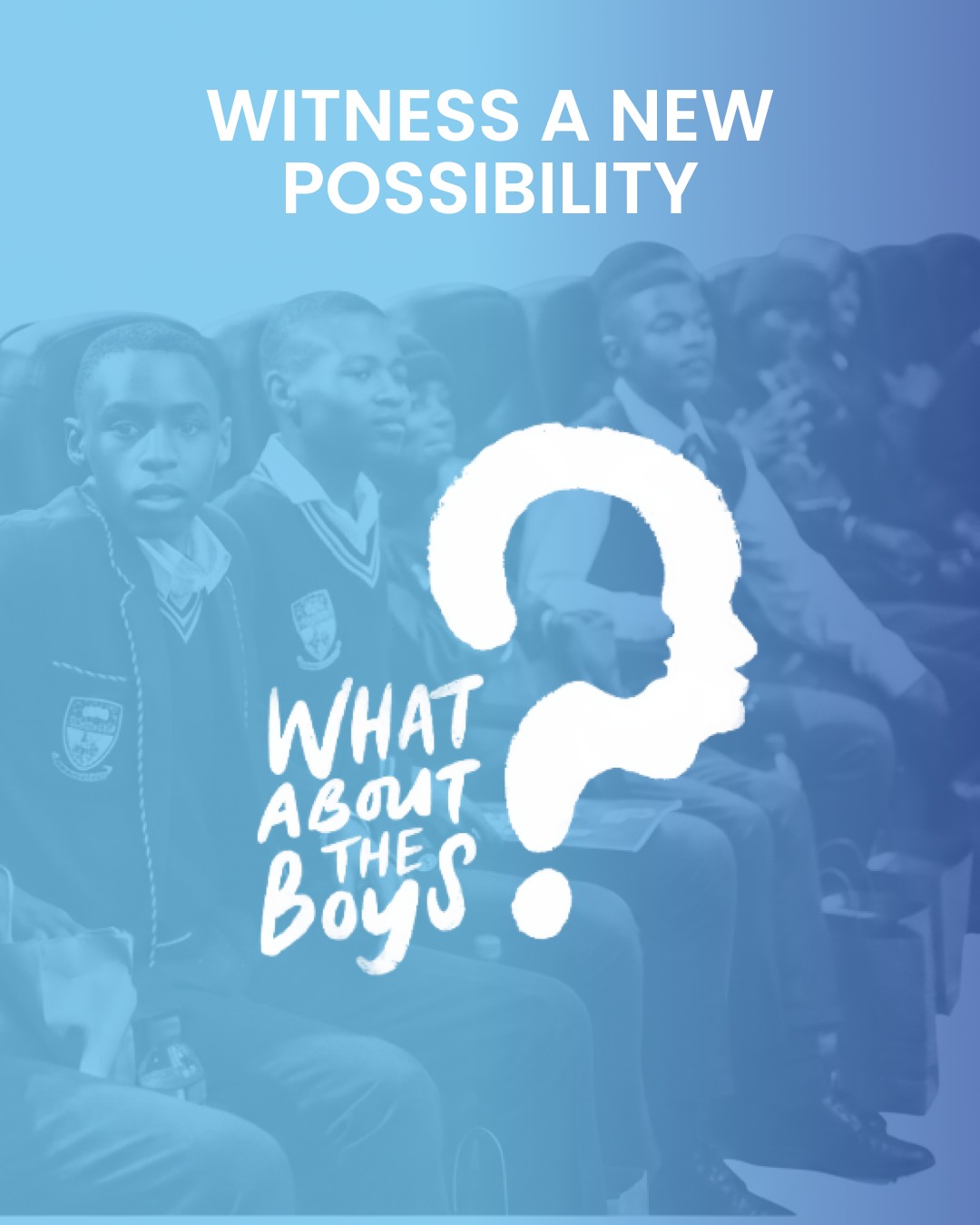
What About the Boys 2 (WATB 2) has officially launched nationally, positioning itself as more than just a school programme, but as a long-term social intervention designed to engage learners at the very stage where attitudes, values and behaviours begin taking shape.
Produced by Primestars in partnership with YouthStart Foundation, the initiative uses locally produced film, mentorship-driven discussions and structured learner dialogue to create meaningful engagement among Grade 9 to Grade 12 learners across South Africa.
The programme focuses on themes many schools and communities often struggle to address openly: respect, accountability, emotional health, identity, leadership and relationships.
But what distinguishes WATB 2 is its emphasis on participation rather than passive awareness.
Instead of simply delivering messages to learners, the programme creates spaces where young people actively engage with one another through conversation, reflection and shared experiences.
Why the Programme Matters Now
The launch comes at a time when South Africa continues grappling with deeply interconnected social challenges.
Gender-based violence remains one of the country’s most urgent crises, while economic hardship, social instability and mental health pressures continue shaping the realities many young people face daily.
Against that backdrop, WATB 2 recognises something often overlooked within education systems: academic performance cannot be separated from emotional wellbeing, social environments and personal values.
The programme builds on the success of its first phase, but expands its scope significantly by bringing boys and girls together into the same spaces for collective dialogue.
That decision is intentional.
For the first time within the programme, learners engage side by side, watching the same stories unfold and participating in the same guided conversations.
The aim is not only awareness, but empathy.
Building Understanding Between Young People
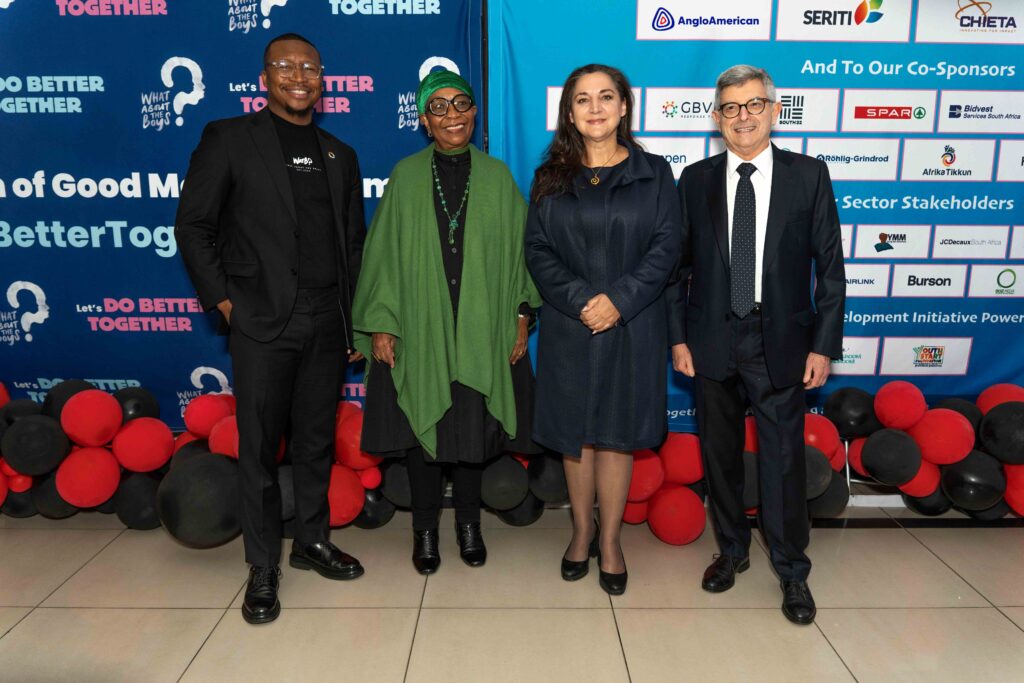
Speaking at the premiere of WATB 2 on behalf of Anglo American South Africa, independent ambassador for the Living with Dignity Hub, Nozipho January-Bardill, described the significance of that shared experience.
“For the first time, boys and girls will be in the room together. They will watch the same film, hear the same stories and have the same conversations. That is a deliberate act of co-creation — helping young people to understand each other, respect each other, and build a different future for South Africa together.”
The programme’s structure encourages learners to explore difficult social dynamics collectively rather than through division.
Through guided mentorship and facilitated discussion, participants are encouraged to develop emotional intelligence, accountability and mutual respect — qualities increasingly recognised as essential to building safer and more inclusive communities.
Education Beyond the Classroom
As lead sponsor of the film, Anglo American views WATB 2 as part of its broader long-term investment in education and youth development within South Africa.
Through Kumba Iron Ore, the programme will specifically extend into schools across the Northern Cape, including communities where Anglo American operates.
This ensures that learners in under-served areas remain included in national conversations around youth development, leadership and social responsibility.
Importantly, Anglo American employees themselves will also participate as volunteer mentors, facilitating structured follow-up discussions with learners after screenings.
That direct involvement embeds professionals, role models and community leaders into the programme’s long-term impact.
Creating Space for a Generation Ready to Speak
According to Martin Sweet, young people are already prepared for these conversations.
What has often been missing is the space to have them.
“Young people are ready for these conversations. WATB 2 creates the space to have them — and to build a generation that leads with empathy, integrity and respect.”
That philosophy sits at the centre of the initiative.
Rather than framing young people as passive recipients of guidance, WATB 2 positions them as active participants in shaping a healthier social future.
A Long-Term Vision for South Africa’s Youth
Learner screenings are taking place from 16 May to 6 June across all nine provinces through the Primestars School Screening Programme, with the film also available digitally through Primestars Digital.
But organisers view the programme as far more than a short-term awareness campaign.
Its broader ambition is to contribute meaningfully to national conversations around youth development, gender-based violence prevention and inclusive growth.
Ultimately, WATB 2 asks a deeper question about South Africa’s future:
What happens when young people are finally given the tools, language and safe spaces to understand each other better?
In a country searching for sustainable solutions to long-standing social challenges, that question may prove more important than ever.
Because real change rarely begins with policy alone.
Sometimes it begins in a classroom, with a conversation young people were finally allowed to have.