
For millions of people around the world, caffeine is woven into the rhythm of everyday life.
It powers early-morning meetings, fuels long commutes, supports late-night deadlines and anchors social rituals around coffee, tea and energy drinks. From the first sip of the day to the mid-afternoon pick-me-up, caffeine has become one of modern life’s most relied upon stimulants.
But increasingly, consumers are beginning to ask a different question:
What happens when the thing keeping you awake during the day starts keeping you awake at night?
As awareness around caffeine sensitivity continues to grow, more people are reassessing not only how much caffeine they consume, but when they consume it — driving a noticeable shift toward more intentional evening wellness habits and caffeine-free alternatives.
Why Caffeine Affects People Differently
Caffeine remains the world’s most widely consumed stimulant and can be found in everything from coffee and tea to chocolate, energy drinks and even certain medications.
Yet its effects are far from universal.
While some people can drink coffee late at night and fall asleep with ease, others may experience anxiety, headaches, jitteriness, rapid breathing or insomnia after only small amounts.
According to current understanding around caffeine metabolism, roughly 40% of people are considered fast metabolisers, meaning their bodies process caffeine relatively quickly. Around 50% fall into the intermediate category, while approximately 10% are slow metabolisers, causing caffeine to remain in their systems for longer periods and often triggering stronger or prolonged effects.
Importantly, caffeine sensitivity is different from a caffeine allergy, which is rare and involves an immune system response rather than difficulty tolerating caffeine’s stimulant properties.
Because caffeine directly affects the central nervous system, its impact can influence both physical and psychological wellbeing — and those effects may become more pronounced depending on age, hormonal changes and lifestyle patterns.
The Link Between Caffeine and Sleep Is Driving Behaviour Change
One of the biggest factors reshaping consumption habits is growing awareness around sleep health.
As conversations around wellness, mental health and burnout continue to dominate global lifestyle trends, consumers are paying closer attention to how caffeine influences their ability to properly rest and recover.
Adele du Toit from the South African Rooibos Council explains that caffeine can significantly interfere with the body’s natural preparation for sleep.
“Caffeine blocks adenosine, a chemical that helps the body wind down for sleep, keeping the brain alert when it should be preparing for rest,” she explains.
As a result, many consumers are now intentionally shifting caffeinated beverages earlier into the day while choosing caffeine-free alternatives during the afternoon and evening.
The change may appear subtle, but it reflects a much broader global movement toward mindful consumption and evening wellness rituals.
Women and Older Adults Are Becoming More Aware of Sensitivity
Research also suggests that caffeine sensitivity may increase during certain life stages.
Hormonal shifts associated with perimenopause and menopause can affect both sleep quality and the body’s ability to metabolise caffeine effectively. Research published by the Mayo Clinic has linked caffeine intake to more disruptive menopausal symptoms, including hot flashes and night sweats.
Ageing may also contribute to increased sensitivity due to slower metabolism, evolving sleep patterns and other physiological changes.
These realities are encouraging many consumers to rethink long-standing habits that once seemed harmless — particularly late-day coffee consumption.
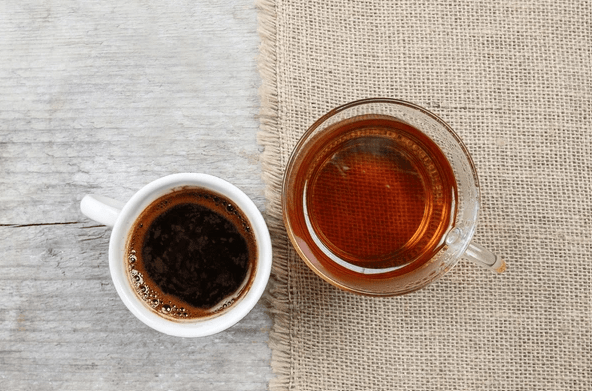 The Rise of the Evening Tea Ritual
As people search for healthier ways to transition from busy days into restful evenings, the idea of an “evening tea ritual” is gaining significant traction globally.
Industry trend data from Euromonitor International and Mintel reflects rising consumer interest in herbal infusions and caffeine-free tea categories, driven largely by growing awareness around relaxation, stress management and sleep quality.
Among the beverages benefiting from this shift is Rooibos — the naturally caffeine-free South African herbal infusion that has increasingly become associated with calm, comfort and mindful evening routines.
Beyond simply being caffeine-free, Rooibos has also attracted growing interest for its potential calming and stress-support benefits. Emerging research has explored how certain compounds found in Rooibos may assist in supporting the body’s stress response, including possible links to cortisol regulation — the hormone associated with stress.
While individual experiences differ, many consumers report improved relaxation and better sleep quality when incorporating Rooibos into evening routines.
A Wellness Movement Focused on Balance, Not Restriction
Importantly, the growing awareness around caffeine sensitivity is not necessarily about eliminating caffeine altogether.
Health authorities generally regard up to 400mg of caffeine per day as safe for most adults, although individual tolerance levels vary widely.
Instead, experts say the shift is increasingly about balance and intentionality.
“People often underestimate how much caffeine they’re consuming, because it’s hidden in so many products,” says du Toit.
“By becoming more aware of these sources, it becomes easier to make small, practical changes — like switching to caffeine-free beverages later in the day.”
She believes the broader trend reflects a deeper transformation in consumer thinking.
“It’s not about avoiding caffeine entirely or comparing beverages. It’s about balance — enjoying your morning coffee or tea and then making a conscious choice to wind down in the afternoon and evening with a herbal infusion.
“As more people become aware of how their bodies respond to caffeine, we’re seeing a clear move toward more intentional, health-conscious daily rituals.”
A Small Habit Change With Big Wellness Implications
The conversation around caffeine sensitivity may seem simple on the surface, but it taps into something much bigger happening globally.
People are becoming increasingly aware of the relationship between energy, stress, rest and long-term wellbeing.
And in a world where exhaustion has become normalised, even small lifestyle adjustments — like reconsidering an evening cup of coffee — are beginning to feel significant.
For many consumers, the shift is no longer just about staying awake.
It’s about learning how to properly rest.