

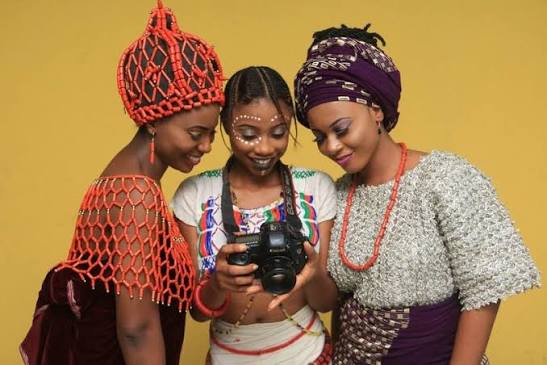
A camera can capture a moment.
But learning how to turn that ability into a career requires much more.
It requires technical knowledge. It requires confidence. It requires business skills, industry connections and an understanding of how creative work can become a sustainable source of income.
Since launching in South Africa in June 2025, Canon’s Miraisha Programme has been working to build exactly that foundation.
The programme has now trained approximately 130 aspiring photographers, filmmakers and visual storytellers.
Around 80 participants have taken part in face-to-face training, while another 50 have joined online.
What began with an initial cohort of just 15 participants has grown into a broader skills platform.
And for South Africa’s emerging creatives, that growth matters.
More Than Camera Skills
South Africa has no shortage of creative talent.
However, talent alone does not automatically create a career.
Access to professional equipment, technical training, industry networks and business knowledge can all play a role in helping young creatives move from potential to professional opportunity.
Miraisha is designed to help address that gap.
The programme combines photography and filmmaking training with the commercial skills needed to operate within the creative industry.
Participants learn how to work with professional equipment, understand light and exposure, develop their visual language and approach assignments with greater intention.
But the learning does not stop when the camera comes out.
Turning Creativity Into a Business
One of Miraisha’s key focuses is helping participants understand the business side of creative work.
Young creatives are introduced to pitching, client relationships, account management and understanding the value of their work.
These skills can make an important difference between creativity remaining a passion and becoming a potential source of income.
Roger Machin, ICB Business Development Manager at Canon South Africa, says the programme aims to give participants more than technical camera knowledge.
“We wanted to make sure participants left with not just camera skills but with a sense of inspiration and fulfilment too.”
Machin says the programme’s value lies in its focus on commercial creativity.
That includes teaching young artists how to pitch to clients, manage accounts, understand their value and approach their craft through an entrepreneurial lens.
The result is a programme that places the creative process alongside the practical realities of working in the industry.
Building South African Trainers
For Miraisha to grow sustainably, the programme also needs people who can carry its knowledge forward.
That is why developing local trainers has become an important part of its South African journey.
Mancoba Msibi is currently Miraisha’s certified trainer in South Africa.
A second local trainer is in the final stages of certification.
Building the local trainer base can help the programme reach more participants while keeping the training connected to the realities of South Africa’s creative sector.
It also allows knowledge to continue circulating within the communities the programme aims to serve.
Partnerships Are Expanding the Reach
Miraisha’s growth has also been supported by partnerships with organisations that already work closely with young people.
Canon is currently partnering with SOS Children’s Villages and Youth Content Collective – YCC to bring the programme to more participants.
The programme’s earlier collaboration with the Market Photo Workshop helped establish its local footprint and introduced Miraisha to its first South African cohort.
Now, Canon is looking to build on that foundation.
The company is exploring new collaborations for 2027, with the aim of reaching more young creatives and creating stronger pathways between training, mentorship and opportunity.
From Johannesburg and Cape Town to New Markets
For now, Johannesburg and Cape Town remain the immediate priorities as Miraisha continues building depth in those markets.
However, the programme’s potential future footprint could extend further.
Canon is considering expansion into Durban and Gqeberha, as well as opportunities to take Miraisha into Botswana and potentially Zimbabwe.
That expansion will depend on finding the right local partnerships and ensuring the programme can deliver training that remains practical, relevant and connected to real opportunity.
The goal is not simply to put more locations on a map.
It is to build an ecosystem where emerging creatives can develop the skills, confidence and support needed to keep moving forward.
Creativity With a Bigger Purpose
At the heart of Canon’s approach is Kyosei, described by the company as living and working together for the common good.
Through Miraisha, that principle is being applied to a growing community of young image-makers.
The programme is helping participants build practical creative and commercial knowledge while giving them tools to pursue paid opportunities and develop their craft.
From the first cohort of 15 to approximately 130 participants today, Miraisha’s South African journey is continuing to grow.
And the next picture is already taking shape.
With local trainers developing, partnerships expanding and potential new markets on the horizon, Canon is looking beyond a single workshop or training session.
The bigger ambition is to help more young creatives turn their ability to tell stories through images into skills they can carry into the future.
For more information about the Canon Miraisha Programme, visit Canon South Africa’s Miraisha Programme page.