Thirty years of poetry. Forty countries. Five continents. One city preparing to listen.
The Poetry Africa International Poetry Festival is returning to Durban for its 30th edition from 5 to 9 October 2026, bringing poets, performers, educators, industry professionals and audiences together for a week of performances, slams, workshops, discussions and creative exchange.
Presented and curated by the Centre for Creative Arts at the University of KwaZulu-Natal (UKZN), the festival will take place at the Durban Playhouse Theatre and venues across the city.
At the heart of this year’s programme is the 5th World Poetry Slam Championship, bringing 40 slam poets from 40 nations and five continents to Durban.
But this anniversary is about more than a milestone.
With the festival taking place alongside several major South African anniversaries, Poetry Africa is turning its 30th edition into a space for conversations about history, freedom, identity and the power of having a voice.
Every Word a Street. Every Voice a City.
The 2026 festival takes place 50 years after the 1976 Soweto Youth Uprising, 30 years after the first public hearings of South Africa’s Truth and Reconciliation Commission, and 30 years after the adoption of the 1996 Constitution.
The Constitution’s Section 16 includes guarantees relating to freedom of expression and creative freedom.
For Centre for Creative Arts Director Ismail Mahomed, these anniversaries are connected by an ongoing conversation about who gets to speak and who gets heard.
“1976, 1996, the TRC represent an unfinished conversation about who gets to speak and be heard in this country. Poetry Africa exists to keep that conversation alive, because freedom of expression is a responsibility we renew every time a poet takes the stage.”
Festival curator Siphindile Hlongwa says the anniversaries are ultimately about voices.
“Every one of these anniversaries is really about a voice: a generation’s, a nation’s, a poet’s. This year’s theme, Every Word a Street, Every Voice a City, asks what we build when those voices are finally given room.”
That theme will run through a programme designed to move between the stage, the classroom, the workshop and the wider poetry industry.
A powerful opening night
Poetry Africa will open at the Playhouse Drama Theatre, with South African poet Lebo Mashile hosting the programme.
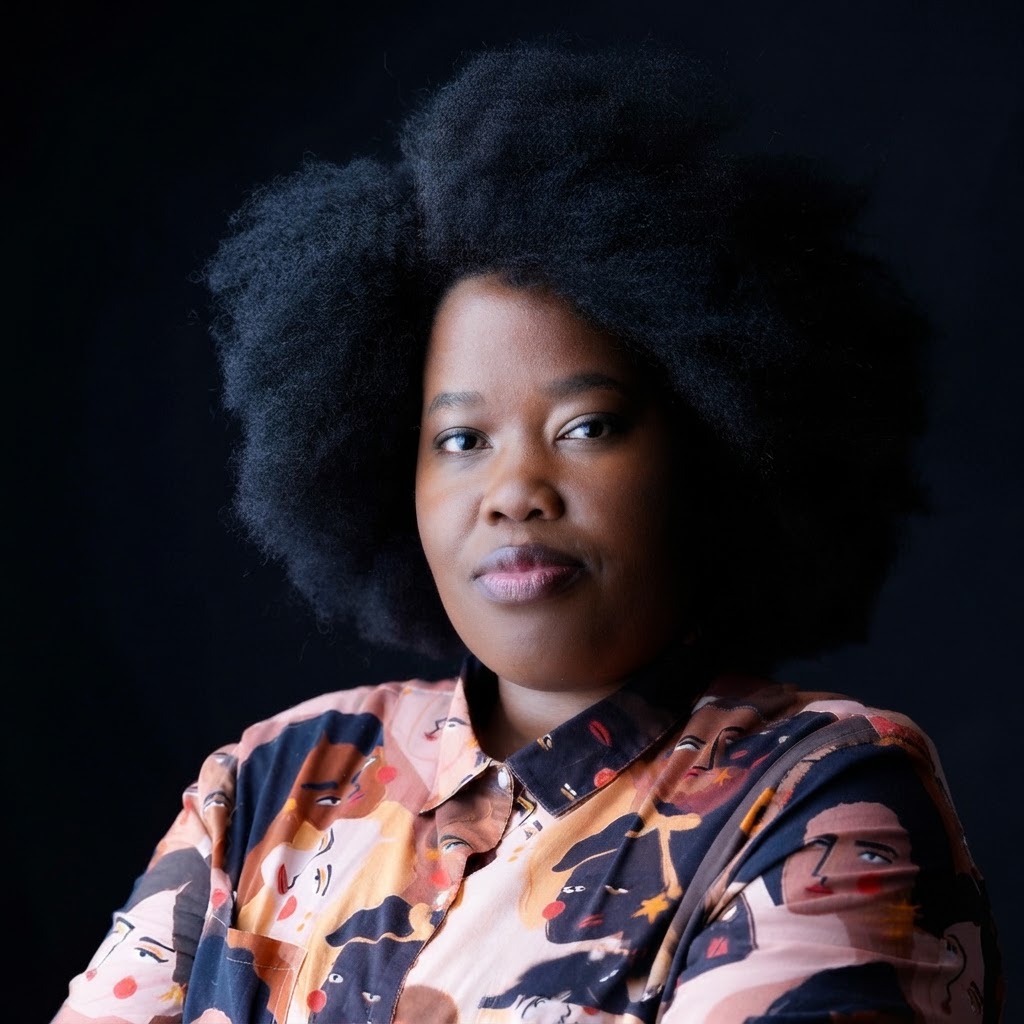
The opening night will feature a keynote address from 2026 Featured Poet Koleka Putuma, alongside performances by poets from South Africa and around the world.
The lineup includes Ana More from Ukraine, Haroun Amri from Algeria, Nanda from Gabon and Steel the Poet from South Africa.
The evening will also honour the work of Dr Gcina Mhlophe, who will receive a Lifetime Achievement honour.
Joining the opening programme will be D’bi Young Anitafrika, the celebrated Jamaican-Canadian dub poet and playwright. A three-time Dora Award winner, Anitafrika is known for the Sankofa Trilogy and for founding the Watah Theatre in Toronto.
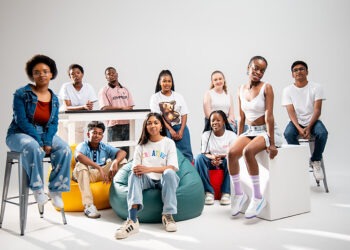
The opening night will also give young voices their own stage through the Chalkboard Slam Competition, Poetry Africa’s spoken-word initiative for high school learners.
Durban becomes a world slam stage
The competitive energy continues throughout the festival.
The Poetry Africa National Slam Jam will hold its semi-finals and final on Tuesday, 6 October.
Then the international spotlight turns fully towards the World Poetry Slam Championship.
The competition will progress through its quarter-finals, semi-finals and final from Wednesday, 7 October to Friday, 9 October.
With 40 poets representing 40 nations across five continents, Durban will become the meeting point for a wide range of international slam voices.
Beyond the stage
Poetry Africa’s 30th festival is also creating space for conversations about the realities of building a sustainable creative career.
The festival’s industry programme will feature panel discussions and workshops covering topics including the festival’s 30-year journey, sustainability and longevity in poetry practice, artist mobility, contracts and rights, queer poetics, professional branding and technology in poetry.
The programme will also feature a book launch for Thando Fuze’s Fluent in the Language of Burial.
These sessions add another dimension to the festival, looking beyond performance to the structures, rights, opportunities and challenges that shape the poetry sector.
Closing with Water
Poetry Africa’s closing day will feature a staged production of Water, developed from Koleka Putuma’s celebrated 2016 poem of the same name.
The poem won the PEN South Africa student writing prize and is widely taught for its meditation on access to water as a political and racialised inheritance.
For the Poetry Africa staging, that work is extended into a broader meditation on ownership, belonging, ecological and climate justice, as well as the ports, trade routes and nightlife economies that influence who gets to belong where.
It is a fitting work for a festival built around questions of voice, identity and belonging.
Thirty years of giving poetry a platform
Poetry Africa has been running since 1997, bringing together spoken-word and published poets from South Africa and around the world.
Over the years, the festival has created space for performances, panel discussions, campus and school visits, poetry exchanges, book launches, open mic sessions and slam competitions.
Its 30-year journey has also provided a platform for poets and audiences to consider the role of poetry in society and social change, while supporting academic scholarship in contemporary poetry at UKZN.
Now, three decades after its beginning, Poetry Africa is preparing to fill Durban with voices once again.
From the international slam championship to the National Slam Jam, from high school performers to established poets, and from industry conversations to the closing production of Water, the 2026 programme brings together different generations, countries and creative perspectives.
Every Word a Street. Every Voice a City.
And from 5 to 9 October 2026, Durban will be listening.
The full programme is available at poetryafrica.ukzn.ac.za, with tickets available through Webtickets.