
ts with the land instead of a recipe?
At Mount Grace, that question has shaped two years of research into the natural ingredients surrounding the property.
The Magaliesberg provides a diverse range of ingredients, including Tulbaghia, commonly known as wild garlic, amadumbe, wild prickly pears, confetti bush, aloe, lavender and imphepho.
The kitchen team forages these ingredients by hand, turning the soil afterwards to help the plants regenerate naturally.
Around 80% of the ingredients used are indigenous and either foraged or sourced within a 60km radius. The hotel also works with local producers, including Van Gaalen Cheese in Hartbeespoort and Bambini, a family-run producer known for its ice cream and gelato.
This focus on local sourcing means fresher produce and closer connections with the surrounding community.
Seasonality also plays an important role. Not every ingredient is available throughout the year, so the kitchen uses traditional preservation and fermentation techniques to make the most of each harvest.
These methods allow the team to preserve seasonal flavours and bring them back to the menu when the ingredients are no longer readily available.
For Chef Pieter, the philosophy is straightforward.
“Everything on this menu starts with one question: what does this land give us? We forage, we ferment and we preserve so that we can cook with what is local and true to the Magaliesberg all year round. I want the young chefs in this kitchen to own that story, because they are the ones who will carry it forward,” says Chef Pieter Malan.
It is an approach that connects the food to its surroundings while giving the next generation of chefs an opportunity to develop their skills.
 The Science and Story Behind the Hibiscus Kombucha
One of the clearest examples of the kitchen’s approach is its house-made kombucha.
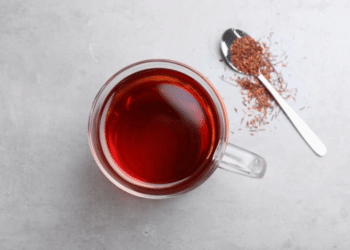
The team brews the base using a glass syphon. As the liquid heats in the lower chamber, pressure pushes it into an upper chamber filled with botanicals.
The process produces a hibiscus kombucha that combines hibiscus from a neighbouring farm and local honey with foraged confetti bush, lavender and aloe.
The drink also finds a place on the Rambling Vine menu in another form: as a reduction served with locally sourced tilapia.
It is a thoughtful example of how ingredients can move between different parts of a dining experience, connecting the surrounding landscape to the final dish.
Rather than treating local ingredients as a decorative addition, the kitchen makes them central to its cooking.
Inside Rambling Vine’s Seven-Course Culinary Journey
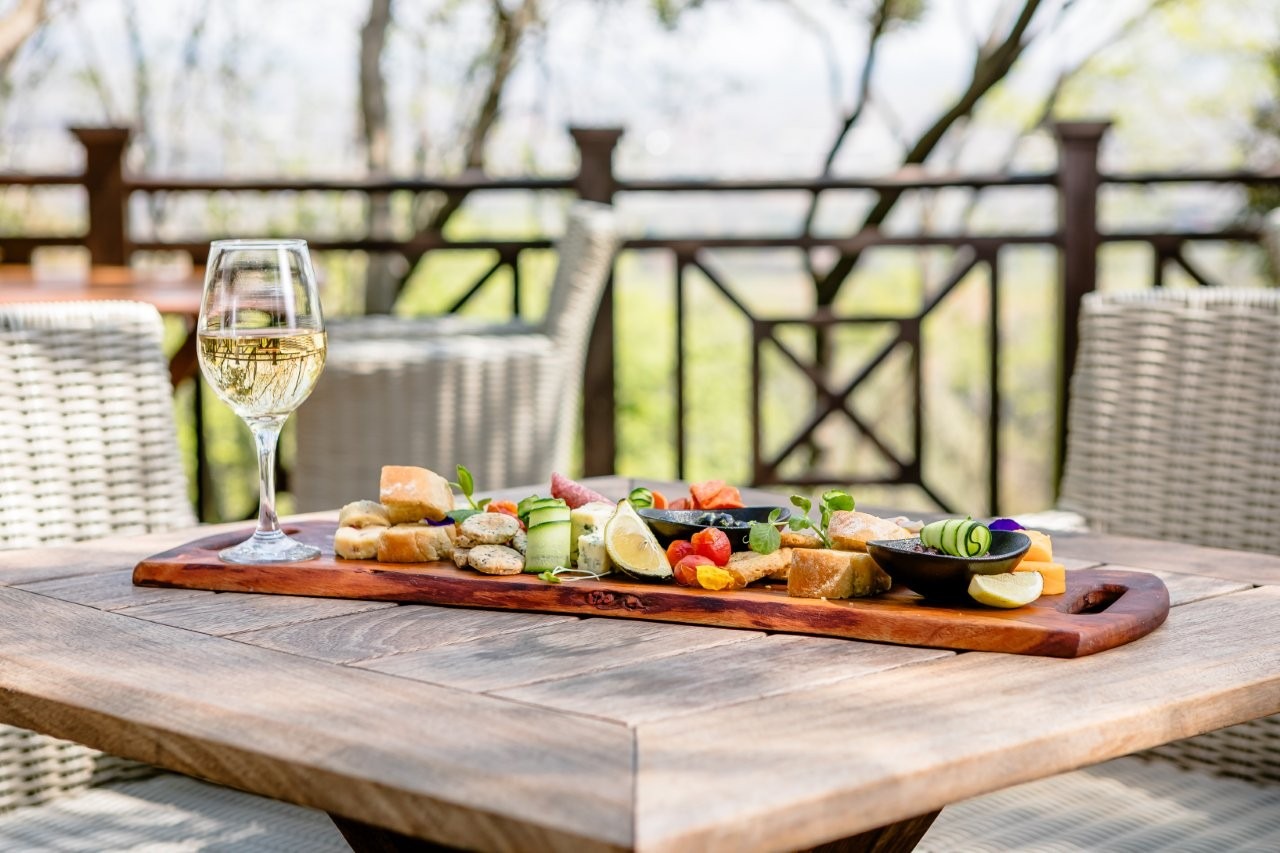
At Rambling Vine, the hotel’s seven-course tasting menu brings South African food traditions and treasured family recipes into a contemporary dining experience.
The journey begins in the wine cellar, where guests are welcomed with canapés that introduce the kitchen’s distinctive approach.
One is a velvety amadumbe soup finished with wild garlic oil, buchu emulsion and fermented prickly pear. Another, called “The Cigar”, combines cold-smoked wild hog coppa mousse with a honey tuille.
The bread service brings familiar South African favourites to the table, including dombolo, amagwinya and mosbolletjies. Guests can dip their bread into a candle made from boerewors lard.
Later in the experience, sorghum takes centre stage. One of South Africa’s oldest staple grains is transformed into a risotto with braised oxtail. Sorghum also returns as a popcorn topping, adding crunch to the dish.
These creations reflect the kitchen’s wider philosophy: celebrate familiar ingredients and traditions while finding new ways to present them.
The menu draws on nostalgia, heritage and the flavours many South Africans recognise, with a Mount Grace interpretation running through each course.
The People Behind Every Plate
At Rambling Vine, the dining experience is not simply about what arrives at the table. It is also about understanding the story behind it.
A member of the culinary team presents each course and its accompanying wine. They explain where the ingredients come from, how the dishes are prepared and the history behind the food.
Many of these team members are young cooks trained by Chef Pieter.
This approach makes the experience a shared effort rather than a performance led by one chef. It also gives younger members of the kitchen team the opportunity to build confidence, develop their knowledge and take ownership of the food they prepare.
The result is a dining experience that connects the guest not only with the ingredients, but also with the people and traditions behind them.
A Fresh Look for Mount Grace Hotel & Spa
The culinary transformation arrives alongside a refurbishment of the property.
All 121 rooms have been refurbished, together with reception, the lounge, Rambling Vine and the 1852 Heritage Bar.
The updated interiors feature a muted palette of earthy tones, sage and natural wood, reflecting the gardens and mountains surrounding the hotel. Panelled cream walls, soft furnishings and fireplaces contribute to the refreshed look.
The rooms are spread across freestanding buildings throughout the gardens, while 26 suites feature their own heated pools.
The changes bring a renewed sense of connection between the interiors and the natural setting, complementing the culinary focus on ingredients from the surrounding region.
The 1852 Heritage Bar Keeps Its Traditional Charm
While the refurbishment introduces a fresh look, the 1852 Heritage Bar retains its old-school character.
Its name refers to 1852, the year the land was first registered as a farm.
The bar offers a setting that changes with the seasons. In winter, guests can settle beside the fire. In summer, the doors can open to welcome the cool mountain breeze.
The menu also makes room for hearty comfort food, including slow-braised oxtail served with a steamed dumpling.
It is a reminder that a memorable food experience does not always need elaborate presentation. Sometimes, familiar flavours and a well-prepared dish are enough to make a lasting impression.
A New Chapter for Mount Grace
For General Manager Barend Olivier, the refurbishment and culinary direction are closely connected.
“The refurbishment gave us the chance to look at Mount Grace Hotel & Spa with fresh eyes, and food was always going to be a big part of that. The new look reflects our surroundings, and Chef Pieter’s menus bring those surroundings to the table. We want Mount Grace Hotel & Spa back on the map as a destination for people who love good food,” says Olivier.
His comments reflect the property’s wider direction: combining its natural surroundings, refreshed interiors and food rooted in the region.
With Chef Pieter Malan leading the kitchen and Chef Edwin Theron contributing to concept dining, the hotel is placing South African ingredients, culinary heritage and young talent at the centre of its offering.
From foraged wild garlic to fermented prickly pears, traditional bread and a sorghum-based risotto, the menus give the Magaliesberg a place at the table.
At Mount Grace Hotel & Spa, the story begins in the mountains, continues in the kitchen and arrives at the table through food that celebrates the land and the people who bring it to life.