

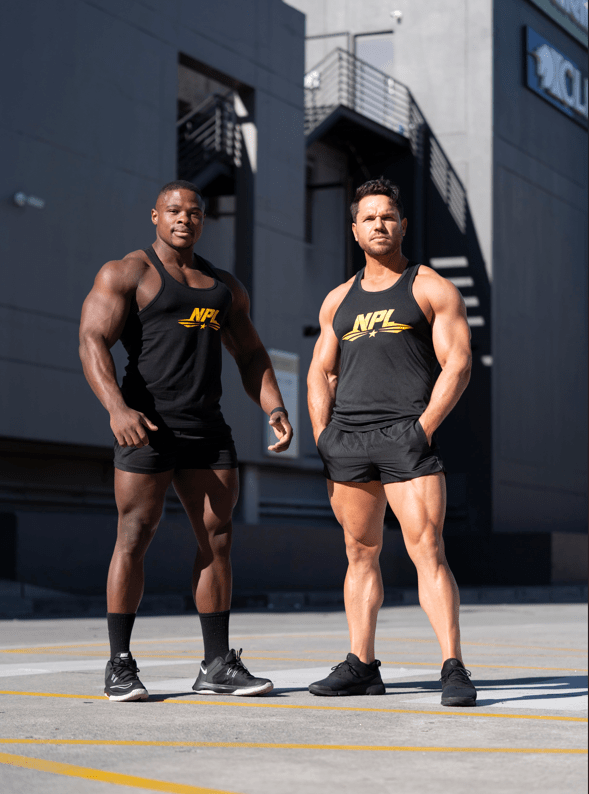
 In the quiet spaces between busy schedules and daily responsibilities, men’s health often takes a back seat — unnoticed until something shifts.
Energy dips.
Recovery slows.
Focus fades.
But according to Cherrie Blackmore, the science tells a different story: many of the changes men associate with ageing are not inevitable. They are shaped — sometimes dramatically — by everyday habits.
From hormones and muscle to sleep and mental clarity, the choices made daily build the foundation for how men feel, move and perform — not just today, but for decades to come.
Here are ten evidence-backed pillars every man should understand.
1. Hormonal Health Starts With Daily Habits
At the centre of male health lies Testosterone — essential for muscle mass, bone density, mood, red blood cell production and sexual health.
While levels naturally decline with age, lifestyle plays a powerful role. Resistance training, adequate protein, healthy fats, quality sleep and stress management all support optimal production.
On the flip side, excess body fat, chronic stress and sleep deprivation are consistently linked to lower testosterone levels.
2. Muscle Isn’t Just About Strength — It’s About Longevity
Muscle loss, known as Sarcopenia, begins earlier than most expect and accelerates after 40.
Protein becomes critical — not just for growth, but for preservation. Combined with strength training, adequate protein intake helps maintain muscle mass, especially during ageing or calorie deficits when the risk of breakdown increases.
3. Strong Bones Need More Than Calcium
Bone health is often reduced to calcium and vitamin D, but protein plays a crucial role.
Roughly one-third of bone mass is made up of collagen — a protein structure that relies on amino acids. Research shows that sufficient protein intake, within a balanced diet, improves bone mineral density and reduces fracture risk.
4. Train the Heart, Not Just the Body
Cardiovascular health remains one of the leading concerns for men globally.
Regular aerobic exercise improves:
-
Blood pressure
-
Cholesterol levels
-
Insulin sensitivity
Meanwhile, functional strength training enhances balance, coordination and joint stability — key factors in long-term mobility and injury prevention.
5. Sleep Is Non-Negotiable
Sleep is not a luxury — it’s a biological necessity.
Poor sleep is linked to:
-
Reduced testosterone
-
Slower muscle recovery
-
Weight gain
-
Lower cognitive performance
-
Weakened immunity
Most adults require 7 to 9 hours of quality sleep per night to maintain hormonal balance and physical resilience.
6. Stress Management Is a Performance Tool
Chronic stress elevates cortisol, a hormone that disrupts testosterone, recovery, sleep and even libido.
The good news?
Simple, consistent habits can make a measurable difference:
-
Daily walks
-
Mindfulness practices
-
Controlled breathing
-
Regular breaks from screens
These small interventions help regulate stress and improve overall wellbeing.
7. Don’t Ignore Prostate Health
As men age, prostate and urinary health become increasingly important.
Regular check-ups, proper hydration and a diet rich in vegetables, fibre and healthy fats support long-term health in this area.
Early awareness is critical — many prostate conditions are manageable when addressed early.
8. Build Your Diet Around Real Food
Highly processed diets are linked to increased risks of cardiovascular disease, metabolic disorders and inflammation.
A foundation of whole foods — including:
-
Lean proteins
-
Fruits and vegetables
-
Whole grains
-
Healthy fats
— provides the nutrients needed to sustain energy, hormone function and long-term vitality.
9. Fill the Gaps — Don’t Replace the Basics
Even well-structured diets can fall short in key micronutrients.
A quality multivitamin can help support:
-
Immune health
-
Energy metabolism
-
Cognitive performance
But supplements should complement, not replace, a balanced diet.
Brands like NPL emphasise this approach — bridging nutritional gaps while reinforcing foundational habits.
10. Mental Health Is Physical Health
The connection between mental and physical health is undeniable.
Chronic stress, anxiety and emotional strain impact:
-
Sleep
-
Motivation
-
Relationships
-
Cardiovascular risk
Research consistently shows that mental wellbeing is strengthened through:
-
Social connection
-
Purposeful activity
-
Hobbies
-
Emotional awareness
Resilience isn’t built overnight — it’s cultivated daily.
Health Is Built — Not Repaired
Men’s health isn’t about chasing youth.
It’s about protecting strength, independence and quality of life.
When habits align with evidence, the results compound:
-
Energy becomes more stable
-
Strength lasts longer
-
Recovery improves
-
Focus sharpens
And over time, health becomes something you maintain — not something you try to fix.
Because the real goal isn’t just to live longer.
It’s to live better.
For more information, visit NPL.