 The old script is fading.
Wake up. Commute. Work. Switch off. Live.
For years, professionals were told this was balance — a neat separation between two worlds that rarely stayed in their lanes. But in reality, life never waited politely outside office hours.
Now, that script is being rewritten.
According to Penelope Meniere, the idea of work-life balance is quietly clocking out, making way for something far more honest — and far more sustainable.
The End of “Balance” As We Knew It
Let’s call it what it is.
Work-life balance looked good on paper, but in practice, it rarely held up. Days refused to split cleanly into “work” and “life,” and the pressure to maintain that illusion often created more stress than it solved.
As 2026 unfolds, professionals are leaning into a new mindset:
Work-life integration.
Not a buzzword. A reset.
When Work Fits Into Life — Not the Other Way Around
Work-life integration recognises something simple: life doesn’t pause when the workday begins.
Instead, it flows.
-
School runs happen between meetings
-
Coffee breaks sit alongside deadlines
-
Errands fit into the same hours as strategy sessions
Rather than competing, these moments coexist — forming a day that feels more natural, more human.
And crucially, more productive.
The Rise of Spaces That Reflect Real Life
This shift is changing what people expect from the places where they work.
Increasingly, professionals are choosing environments that sit within their daily lives — not removed from them.
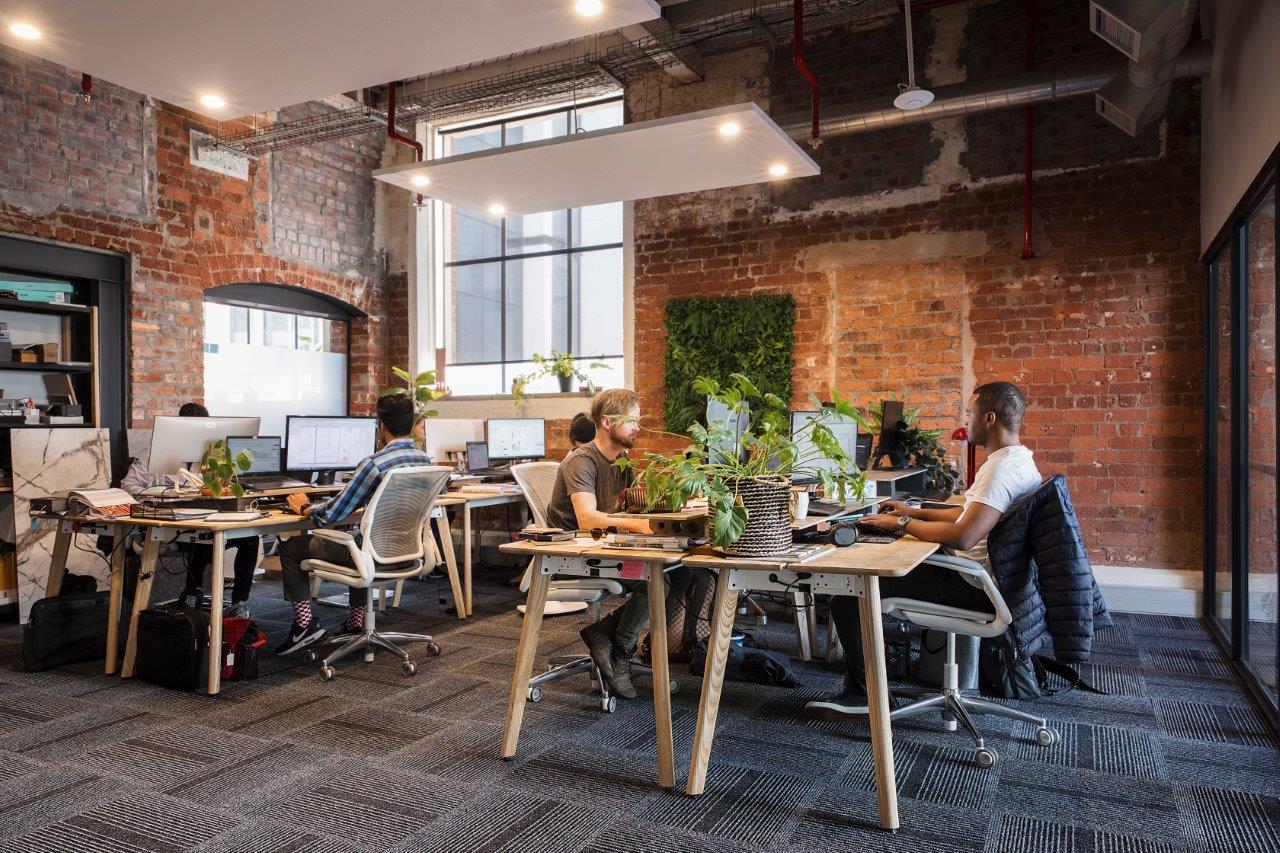
Flexible workspace communities like Workshop17 are building around this idea:
-
Locations embedded in vibrant neighbourhoods
-
Easy access to cafés, shops and essential services
-
Spaces designed for movement, connection and flexibility
The result?
A subtle but powerful transformation.
When work happens where life already unfolds:
-
Time feels less constrained
-
Stress softens
-
Focus improves naturally
Productivity Without Pressure
One of the biggest misconceptions about flexible work is that it sacrifices performance.
The reality is often the opposite.
Organisations embracing work-life integration are seeing:
-
Stronger focus
-
Improved employee retention
-
Lower stress levels
-
More energised teams
Because when people feel human at work, they tend to perform better.
It’s not complicated — it’s practical.
The Human Element Returns to Work
There’s something else happening in these integrated workspaces — something harder to measure, but impossible to miss.
Personality.
Warmth.
Connection.
In these environments, people aren’t expected to leave their humanity at the door. Conversations happen naturally. Familiar faces become part of the rhythm. The workplace feels less clinical — and more alive.
Work becomes part of life, not a disruption to it.
A Smarter Model for Business
For leaders and organisations, the shift isn’t just cultural — it’s commercial.
When professionals have:
-
Greater autonomy
-
Everyday convenience
-
Flexible environments
Performance often improves without the need for rigid control.
It’s a model that benefits both people and the bottom line.
The New Currency of Work in 2026
If there’s one thing defining the modern workplace, it’s this:
Autonomy. Accessibility. Integration.
The rigid boundaries of the past are giving way to something more fluid — and far more effective.
Because the question is no longer:
“Where do you work?”
It’s:
“How does work fit into your life?”
A Life Already in Motion
The truth is simple.
People were never designed to live in compartments.
And work was never meant to sit apart from life.
As this new era takes shape, one idea stands out clearly:
Live to work? Nah.
Work fits far better into a life that is already in motion.
For more information, visit Workshop17