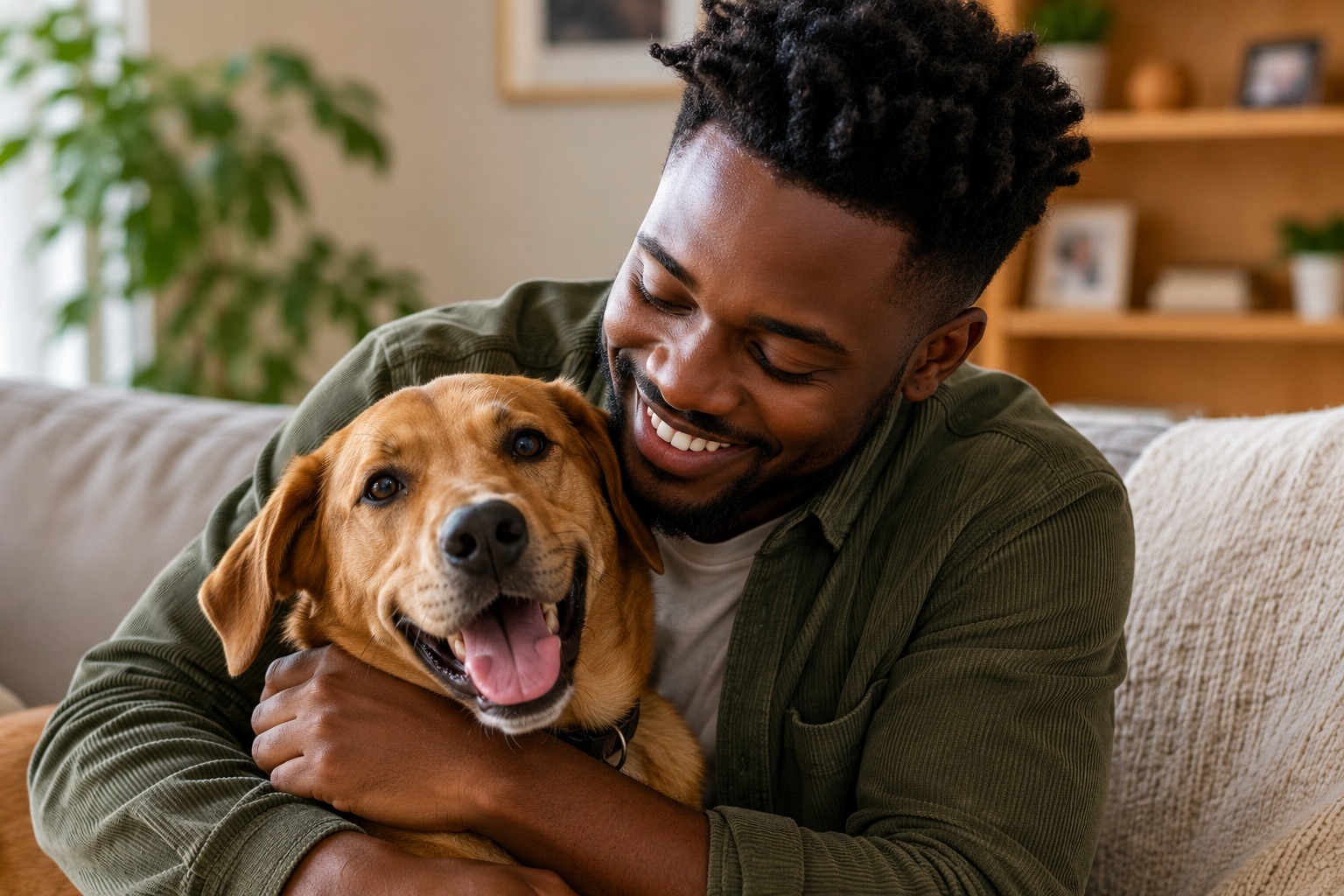
In a country where millions of animals are still searching for safety, care, and belonging, pet adoption in South Africa has become about far more than simply bringing home a dog or cat. It has become an act of compassion, responsibility, and long-term commitment.
According to estimates from Humane World for Animals, around 4.05 million pets across South Africa are currently without homes. Nearly 650,000 are living in shelters, while an estimated 3.4 million survive on the streets without reliable access to food, medical care, or protection. Behind every number is an animal waiting for stability, connection, and a second chance.
As more South Africans consider adoption, experts are encouraging future pet parents to move beyond impulse decisions and focus instead on creating sustainable, compatible relationships that benefit both the animal and the household.
The Myth of the “Perfect Pet”
For many first-time adopters, the process often begins with a checklist. Size, breed, age, energy level, temperament — all practical considerations that seem essential when choosing a new companion.
But experienced shelter workers and animal welfare advocates say the reality is often more nuanced.
Sometimes the strongest connection happens unexpectedly. A pet that may not initially tick every box can ultimately become the perfect emotional fit. While practical considerations remain important, successful adoption often comes down to something less measurable: compatibility, comfort, and instinct.
The goal is not perfection. It is sustainability.
Why Lifestyle Compatibility Matters
One of the biggest reasons adoptions fail is a mismatch between a pet’s needs and a household’s lifestyle.
A highly energetic dog placed in a low-activity environment can become frustrated and destructive. Similarly, an anxious or shy cat may struggle in a noisy, unpredictable household. These mismatches can create stress for both the pet and the owner, sometimes resulting in pets being returned to shelters.
This is where modern adoption tools are starting to change the process.
Hill’s Pet Nutrition South Africa has introduced the Hill’s Pet Matchmaker app, designed to help prospective pet parents identify animals that align with their living conditions, routines, and activity levels.
According to Jackie Quail, Shelter Channel Manager at Hill’s Pet Nutrition, the best adoption decisions happen where emotion and practicality intersect.
“Adoption should never be purely emotional or purely practical; it’s about finding the intersection between the two,” says Quail. “The goal is to set both pet and pet parent up for long-term success.”
The shift toward compatibility-focused adoption reflects a growing understanding that choosing a pet should be approached with the same care and consideration as any long-term relationship.
Shelters Are Partners, Not Gatekeepers
For many new adopters, shelter procedures can initially feel intimidating.
Home inspections, interviews, behavioural screenings, and lengthy forms are often misunderstood as obstacles. In reality, shelters are trying to reduce the likelihood of failed adoptions and future abandonment.
Animal welfare organisations are not simply placing pets into homes as quickly as possible. They are working to ensure that each placement has the best possible chance of lasting.
“Shelters are looking at the bigger picture,” Quail explains. “They’re thinking about the long-term outcome, not the moment of adoption alone.”
These careful processes ultimately protect both the pet and the adopter by helping ensure expectations, personalities, and environments are realistically aligned.
Adoption Alone Cannot Solve the Crisis
While adoption remains one of the most direct ways to help homeless animals, experts stress that it is only one part of a much larger solution.
Uncontrolled breeding continues to contribute significantly to South Africa’s growing homeless pet population. This is why sterilisation campaigns remain critical in reducing long-term strain on shelters and communities.
As part of its broader animal welfare efforts, Hill’s recently partnered with the Cape of Good Hope SPCA and the GEM Project to support a Sterilisation Day initiative in Atlantis. During the campaign, 60 pets were sterilised, with Hill’s covering both procedure costs and food support for the day.
“Adoption gives a pet a second chance, but sterilisation helps reduce the number of pets needing that chance in the first place,” says Quail.
The initiative highlights a growing awareness that meaningful progress in animal welfare requires both rescue and prevention.
The Adjustment Period Most People Don’t Expect
One of the most overlooked parts of pet adoption is what happens after the excitement of bringing an animal home.
Many new pet owners expect instant bonding and smooth adjustment. In reality, transitioning into a new environment can take time. Pets may initially appear withdrawn, anxious, overly energetic, or uncertain as they adapt to unfamiliar surroundings.
Building trust is a process.
Experts say patience, consistency, and understanding are essential during the early stages of adoption. Over time, routines settle, confidence grows, and relationships strengthen naturally.
“Bringing a pet home is the start of something that develops over time,” Quail adds. “It requires patience, consistency, and a willingness to adapt.”
Ironically, it is often this very journey of learning and adjustment that creates the deepest emotional connection between pets and their owners.
A More Thoughtful Future for Pet Adoption
As South Africa continues confronting its homeless animal crisis, responsible adoption is increasingly being viewed through a wider lens — one that includes education, sterilisation, compatibility, and long-term commitment.
The conversation is shifting away from finding the “perfect pet” and toward building realistic, compassionate relationships designed to last.
When approached thoughtfully, adoption becomes more than an individual act of kindness. It becomes part of a much bigger movement aimed at creating safer, healthier futures for animals across the country.
For more information, visit Hill’s Pet Nutrition South Africa.