African stories are getting a bigger lens.
FAME Week Africa has announced the finalists for the 2026 Inclusive Lens Awards, shining a spotlight on film and television productions that are changing how people, identities and lived experiences are represented on African screens.
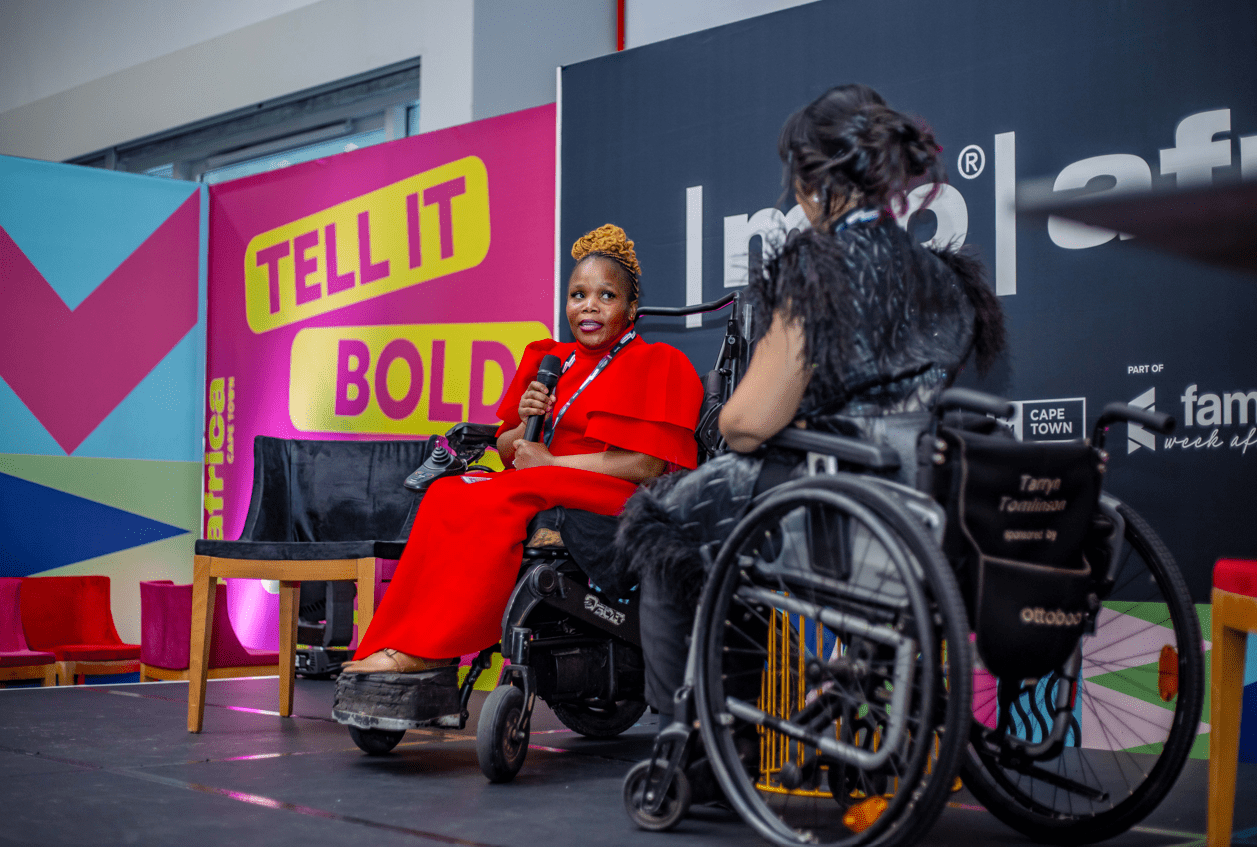
The awards will take place on 29 October 2026 during FAME Week Africa in Cape Town.
This year’s finalists cover three major areas: Disability Representation, LGBTQIA+ Representation, and Diversity & Inclusion in Kids Programming.
Across scripted and unscripted productions, the shortlisted stories travel from South African crime drama and queer coming-of-age stories to documentaries, historical storytelling, drag culture and children’s animation.
What connects them is a willingness to widen the frame.
Representation That Goes Beyond the Surface
The Inclusive Lens Awards were created around a simple principle: representation matters, but authentic representation matters even more.
That is the view of Martin Hiller, Portfolio Director of FAME Week Africa.
“The Inclusive Lens Awards were created because representation matters, but authentic representation matters even more,” says Hiller.
He says the diversity of this year’s finalists is particularly exciting because inclusion is not confined to one genre or corner of the entertainment industry.
The finalists demonstrate that inclusive storytelling can exist across thrillers, comedies, documentaries, children’s animation, reality television and historical epics.
More importantly, these productions create opportunities for different people to be presented as complete and complex human beings.
Kids Programming Gets a Wider Lens
Some of the most important stories begin with young audiences.
The Diversity & Inclusion in Kids Programming – Pre-School category features:
- Bluey – African Language Localisations (UK)
- Hadu (Nigeria)
- Jabu’s Jungle: The Best of Africa! (South Africa)
Together, the productions highlight the importance of children seeing and hearing Africa reflected in the content they consume.
That includes African languages, family life, local environments, cultures, wildlife and traditions.
For older children, the Diversity & Inclusion in Kids Programming – Older School category features:
- Wandi & Kabz (South Africa)
- Eyes of Wakanda (USA)
These productions bring African history, heritage, identity and possibility into stories designed for older children.
They also give young audiences opportunities to encounter African heroes, cultures and perspectives through imaginative storytelling with global relevance.
Disability Representation Moves Beyond Stereotypes
The disability categories offer another powerful dimension to this year’s awards.
In Disability Representation – Non-Scripted Film, the finalists are:
- Amigo the Griot (South Africa)
- Concerto (South Africa)
- Amazina Mbuyaga (Uganda)
The films explore disability through personal stories centred on creativity, artistry, identity and self-expression.
Rather than defining people through limitation, the productions place agency and lived experience at the heart of their narratives.
The Disability Representation – Scripted Film finalists are:
- ThisAbility (South Africa)
- Nkanyezi (South Africa)
- Melusi (South Africa)
These films explore themes including autonomy, family, ambition, identity and survival.
They also present disabled characters as complex individuals with agency over their own stories.
Meanwhile, Disability Representation – Scripted Series features:
- Bad Influencer (South Africa)
- Scandal! (South Africa)
- Shaka iLembe – Season 2 (South Africa)
The series demonstrate different approaches to disability inclusion, from neurodivergence within family life to authentic disability casting and the inclusion of disabled performers in contemporary and historical African storytelling.
LGBTQIA+ Stories Take Centre Stage
The LGBTQIA+ categories bring another wide range of African experiences into focus.
For LGBTQIA+ Representation – Non-Scripted Feature, the finalists are:
- Sonder (South Africa)
- Queezy Visits the Racers (South Africa)
- Eyes To See (South Africa)
The documentaries explore queer African identity through different perspectives.
Their themes include Black Zulu masculinities, queer and Coloured identity, spirituality, Indigenous knowledge, gender fluidity, culture and belonging.
In LGBTQIA+ Representation – Scripted Feature, the finalists are:
- Black Burns Fast (South Africa)
- Khaki Fever (South Africa)
- Everything Between Us (South Africa)
Together, the films explore first love, self-discovery, sex-positive comedy and queer grief.
They also allow LGBTQIA+ characters to experience something crucial in storytelling: the full range of human emotion.
Joy.
Desire.
Vulnerability.
Loss.
Relationships.
For LGBTQIA+ Representation – Non-Scripted Series, the finalists are:
- Beaulah: Queens van die Kaap – Season 2 (South Africa)
- Pride: The Queer Show (South Africa)
- The Way Ngingakhona – Season 5 (South Africa)
The productions explore identity, relationships, community, culture and equality while giving LGBTQIA+ people space to share their own experiences.
Queer Characters Become Part of the Bigger Story
The final LGBTQIA+ category is LGBTQIA+ Representation – Scripted Series.
Its finalists are:
- The Morning After (South Africa)
- Youngins – Season 3 (South Africa)
- Blood Legacy (South Africa)
The productions demonstrate the breadth of LGBTQIA+ representation within mainstream African television.
Their stories explore queer love, identity, friendship, family, culture and belonging.
The key shift is that LGBTQIA+ characters are not presented as existing outside the wider narrative.
They are part of larger, layered stories.
Meet the 2026 Judges
The winners will be selected by a judging panel bringing together expertise and lived experience from across the entertainment and creative industries.
The 2026 Inclusive Lens Awards judging panel comprises:
Caleb Swanepoel, James Byrne, Jason Fiddler, Karen Jeynes, Kim Jayde, Lala Tuku, Lawrancia Mqwebu, Louise Callcott-Stevens, Thabile Ngwato, Tarha McKenzie, Tarryn Tomlinson and Tongai Furusa.
Their collective experience spans acting, filmmaking, broadcasting, production, festivals, localisation, accessibility and advocacy.
EarCandy Joins the Awards
The 2026 Inclusive Lens Awards are proudly sponsored by EarCandy.
The company’s work across localisation, dubbing, subtitling and audio production has helped content reach audiences across different languages and cultures.
Its involvement adds another important layer to an awards programme focused on making stories accessible and meaningful to wider audiences.
A Bigger Conversation About African Storytelling
The 2026 Inclusive Lens Awards arrive at an important moment for African entertainment.
The finalists demonstrate just how broad inclusive storytelling can be.
It can happen in a children’s animation.
A historical epic.
A documentary.
A crime thriller.
A reality series.
A comedy.
Or a coming-of-age story.
The common thread is not a particular format.
It is the decision to tell stories that allow audiences to encounter experiences, identities and perspectives that deserve to be seen.
And with the winners set to be announced during FAME Week Africa on 29 October, the spotlight is now firmly on the storytellers widening the lens.
The stories are different. The genres are different. The perspectives are different.
But together, they point towards an African screen that is becoming broader, more diverse and more reflective of the people whose stories it tells.