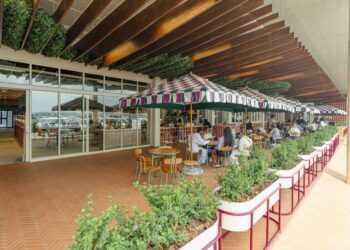
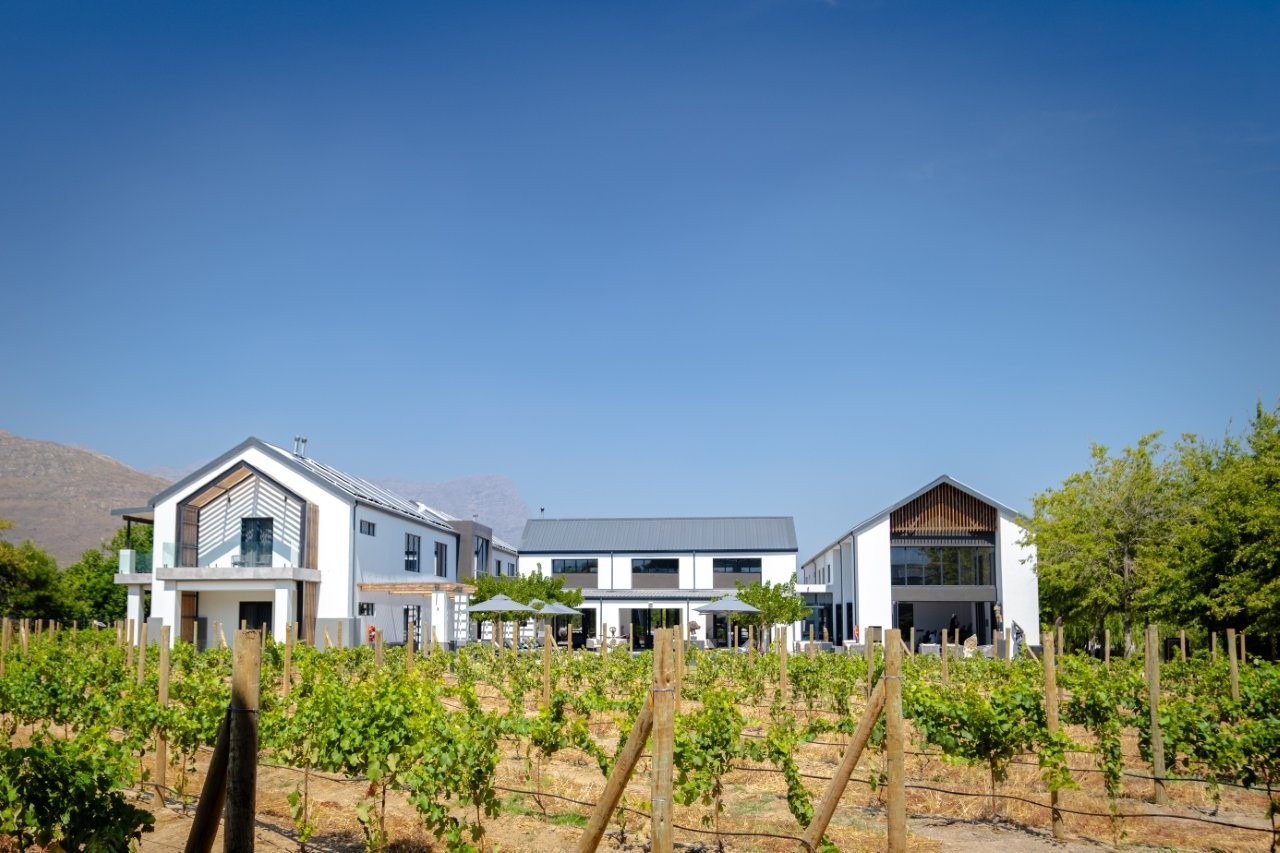
Three kilometres outside the postcard-perfect village of Franschhoek, a quiet shift is taking place in South African hospitality.
There are no oversized sustainability slogans. No performative greenwashing campaigns. No dramatic declarations about “saving the planet.”
Instead, at @Franschhoek Hotel, sustainability has become something far more difficult — operational.
On a property where a boutique hotel shares space with the working Hey Joe Brewery, environmental responsibility is not being marketed as an accessory to luxury travel. It is being woven into the mechanics of how the property functions every single day.
And increasingly, that distinction matters.
The era of performative sustainability is fading
Across the global travel industry, sustainability has moved beyond niche concern into mainstream decision-making. Travellers are no longer looking only at location, aesthetics, or price. Environmental and social responsibility now influence where people choose to stay, eat, and spend.
But hospitality’s biggest challenge has not been talking about sustainability — it has been proving it.
Recycling bins in bathrooms and vague carbon-offsetting promises are no longer enough for increasingly conscious travellers. What guests are looking for now is credibility: operational choices that stand up to scrutiny.
That is where @Franschhoek Hotel is carving out a different path.
Sustainability built into the property itself
Rather than chasing optics, the hotel has focused on infrastructure.
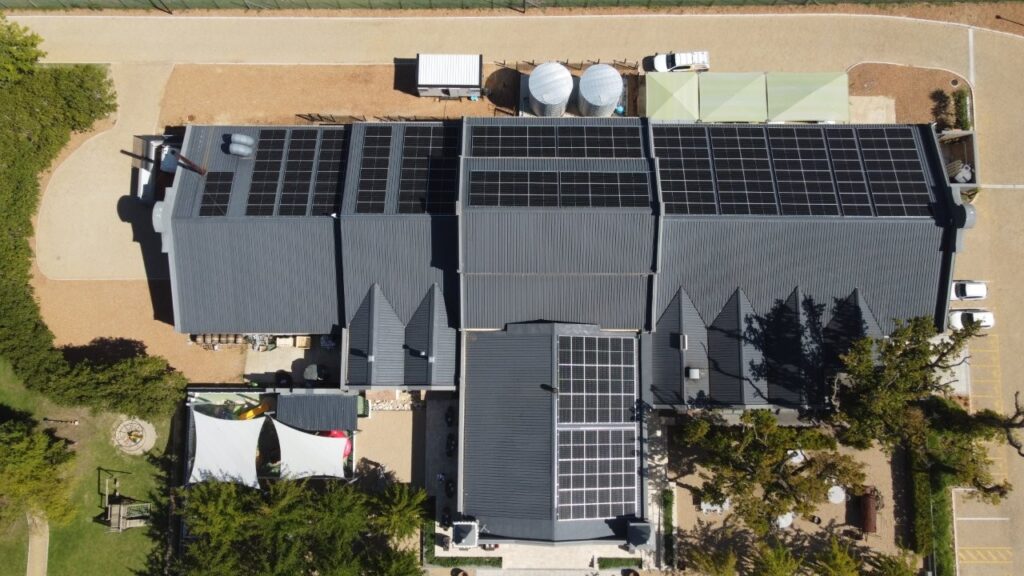
A rooftop solar photovoltaic system with a combined inverter capacity of approximately 110kW now significantly reduces the property’s dependence on South Africa’s national power grid during daylight hours. A 400kVA backup generator supports operations when needed, while plans for future battery storage are currently under review — a move that could further reduce grid reliance after sunset.
General Manager Charl Theron says the philosophy behind the project has always been practical rather than performative.
“We are not trying to be the loudest voice in the conversation about sustainable travel,” he explains. “We are trying to show what it looks like in practice, day to day, in a place that matters to us.”
“The solar installation, the boreholes, the work we do with the local community around waste — these are not marketing tools. They are how we run the hotel.”
A brewery that deepens local connection
At the heart of the property sits Hey Joe Brewery, a working craft brewery producing Belgian-inspired beers directly on site.
Far more than a novelty feature, the brewery forms part of the hotel’s broader sustainability ecosystem.
Beer tours and tastings immerse guests in the story of the property, its brewing process, and the surrounding Franschhoek Valley landscape. By creating a richer on-site experience, the hotel encourages visitors to stay longer and engage more deeply with the destination itself — a quieter, often overlooked form of sustainable tourism.
“Having Hey Joe Brewery on the property reinforces what we are trying to do,” says Theron. “It is local, it is made here, and it gives guests a genuine connection to where they are.”
Water security in a region shaped by crisis
In the Western Cape, water conservation is not theoretical.
The memory of the region’s 2018 “Day Zero” crisis continues to shape how businesses approach resource management. At @Franschhoek Hotel, on-site boreholes now supply both irrigation and drinking water, easing strain on municipal systems.
The property has also integrated heat pump technology alongside bulk hot water systems, reducing electricity consumption while maintaining guest comfort.
It is sustainability that functions quietly in the background — visible not through sacrifice, but through smarter design.
 Turning waste into economic opportunity
One of the hotel’s most community-focused initiatives lies in its waste management programme.
Several times a week, a local team manages waste separation across the property. Recyclable materials are then sold onward rather than sent to landfill, creating direct income opportunities for local families involved in the process.
It is a relatively small-scale system, but one rooted in a larger principle: sustainability should not only protect the environment — it should create tangible economic value for surrounding communities.
Protecting the land that sustains the experience
The property’s sustainability efforts extend beyond infrastructure into the landscape itself.
Alien vegetation has been cleared from the grounds, while the region’s iconic oak trees are carefully maintained as part of long-term environmental stewardship efforts. Landscaping decisions are approached with longevity in mind, helping preserve the natural character of the valley while contributing to broader ecosystem health.
In many ways, the approach reflects the identity of Franschhoek Valley itself — a destination historically associated with craftsmanship, quality, and intentional living.
A different model for luxury hospitality
Luxury travel has often been associated with excess. But properties like @Franschhoek Hotel are helping redefine what modern luxury can look like.
Not louder.
Not larger.
But more thoughtful.
In a travel industry saturated with promises, the hotel’s approach feels notable precisely because it avoids spectacle. The focus is not on branding sustainability. It is on building systems that work.
And perhaps that is the real shift happening across hospitality right now.
Good intentions are no longer enough.
Execution is what matters.
Reservations & Information
Reservations:
reservations@franschhoek-hotel.com
+27 21 753 1680