

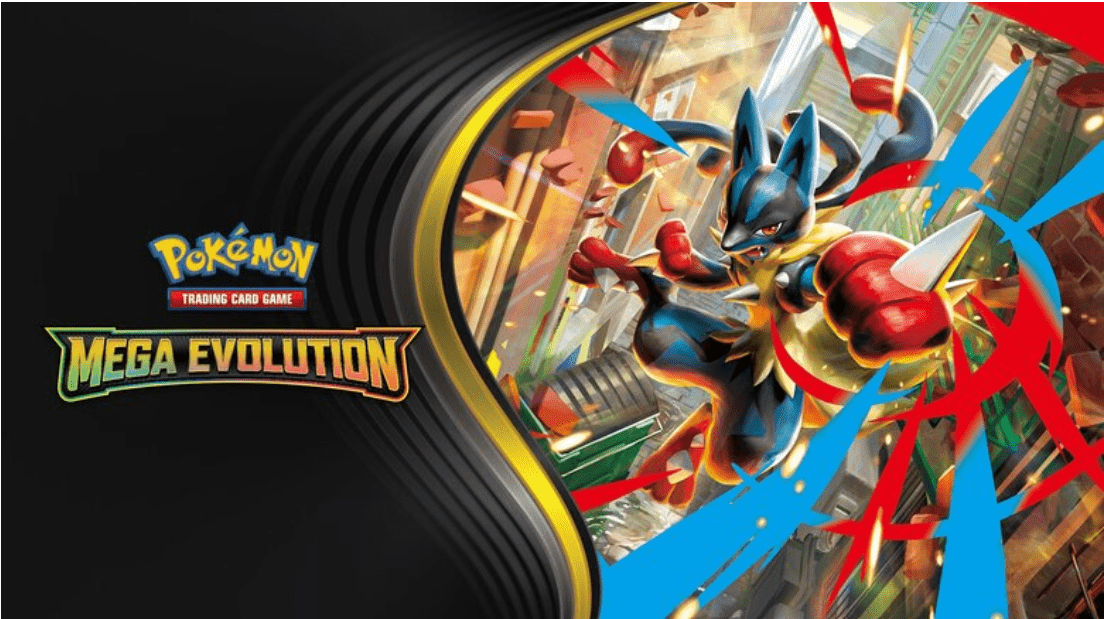
Once tucked carefully into schoolbags and traded across playgrounds, Pokémon cards have evolved into one of the most unexpected high-value asset classes of the modern era. As the Pokémon franchise celebrates its 30th anniversary this year, the global obsession is no longer just about nostalgia or gameplay — it’s about rarity, prestige, and staggering financial value.
At the centre of this renewed fascination is influencer-turned-professional wrestler Logan Paul, who has announced that he is putting his legendary Pokémon Illustrator card up for sale. Paul believes the card could fetch over $10 million, a figure that has sent shockwaves through both collector circles and the broader investment world.
This is no ordinary trading card.
Paul’s Pokémon Illustrator card holds its own Guinness World Record and became a pop-culture moment when he famously wore it around his neck on a custom chain during his WrestleMania debut. But its true power lies far deeper than celebrity hype.
Why This Card Is So Valuable
The Pokémon Illustrator card is widely regarded as one of the rarest and most desirable collectibles ever produced. In 1998, Pokémon held a special illustrator contest in Japan, and only 39 of these cards were awarded to winners. They were never sold, never mass-produced, and could only be earned — instantly placing them in a league of their own.
Adding to its mystique, the card was designed by Atsuko Nishida, the Japanese graphic artist who created Pikachu, the franchise’s iconic mascot. That connection alone cements the card’s place in Pokémon history.
According to Card Ladder, the Illustrator card has been valued at an estimated $19 million, with Paul suggesting his sale could draw interest from not just collectors, but also hedge fund managers and billionaires. Over the past 20 years, this niche asset class has reportedly delivered returns of up to 3,800%, driven largely by extreme scarcity and global demand.
A Cultural Force, Not Just a Collectible
The impact of this potential sale reaches far beyond one card or one celebrity. It reinforces the legitimacy of Pokémon cards as serious investment assets — a shift that is resonating worldwide, including in South Africa.
“This sale speaks to the enduring power of Pokémon,” says Philip Galliford, spokesperson for toy and game distributor Solarpop. “It’s not just a hobby, it’s a global cultural force that blends play, art, and rarity into something incredibly valuable. As the franchise celebrates its 30th birthday this year, I think we’ll be seeing an increase in people collecting the cards, and an increase in the actual value of rare cards.”
For South African collectors, this moment validates what enthusiasts have long believed: Pokémon cards are not just sentimental keepsakes — they are worthy, desirable, and increasingly valuable collectibles.
The Future of Pokémon as an Investment
Pokémon cards have always walked a unique line between playability and prestige. But in recent years, that balance has tipped firmly toward investment-grade status. As rare cards become harder to find and global demand continues to rise, the market shows no signs of cooling.
Logan Paul may soon be pocketing a historic payday, but the broader story is even bigger. The status of Pokémon cards has undeniably been elevated — and as long as Pikachu remains one of the most recognisable characters on the planet, the hype and the market are unlikely to fade anytime soon.
To stay informed about the latest Pokémon releases, follow @solarpopsouthafrica and visit your local hobby or toy store.