 From 25–27 February 2026, the South African Association for Jazz Education (SAJE) convenes its 16th annual conference in Durban under a theme that cuts to the heart of South African jazz identity: “Indigenous Musical Elements in South African Jazz: Exploring Theory and Practice.”
Hosted at the University of KwaZulu-Natal’s Centre for Jazz and Popular Music (CJPM), the 2026 gathering will unfold in a hybrid format — both in-person and virtual — widening access to educators, performers, researchers and students across South Africa and beyond.
Across three days of research papers, masterclasses, workshops, panel discussions and concerts, the programme moves deliberately between theory and lived sound. The central question is not whether indigenous knowledge influences South African jazz — but how it exists within it as structure, language, technique and philosophy.
Placing Indigenous Knowledge at the Centre
“As we step into this new term of SAJE, we do so with the rich musical heritage of our communities as our foundation,” says SAJE President Dr Sibusiso Mashiloane. “This year’s theme places indigenous musical knowledge at the centre, asking not only what we play, but how we credit, teach, transmit and evolve the sound responsibly across classrooms, stages and archives.”
It is a call to reflection — and to accountability.
For decades, SAJE’s conference series has shaped jazz education and scholarship in South Africa, bringing together educators, artists and researchers to debate practice, pedagogy, heritage and innovation. The 16th edition continues that trajectory with renewed urgency.
Opening Night: Sounding the Source
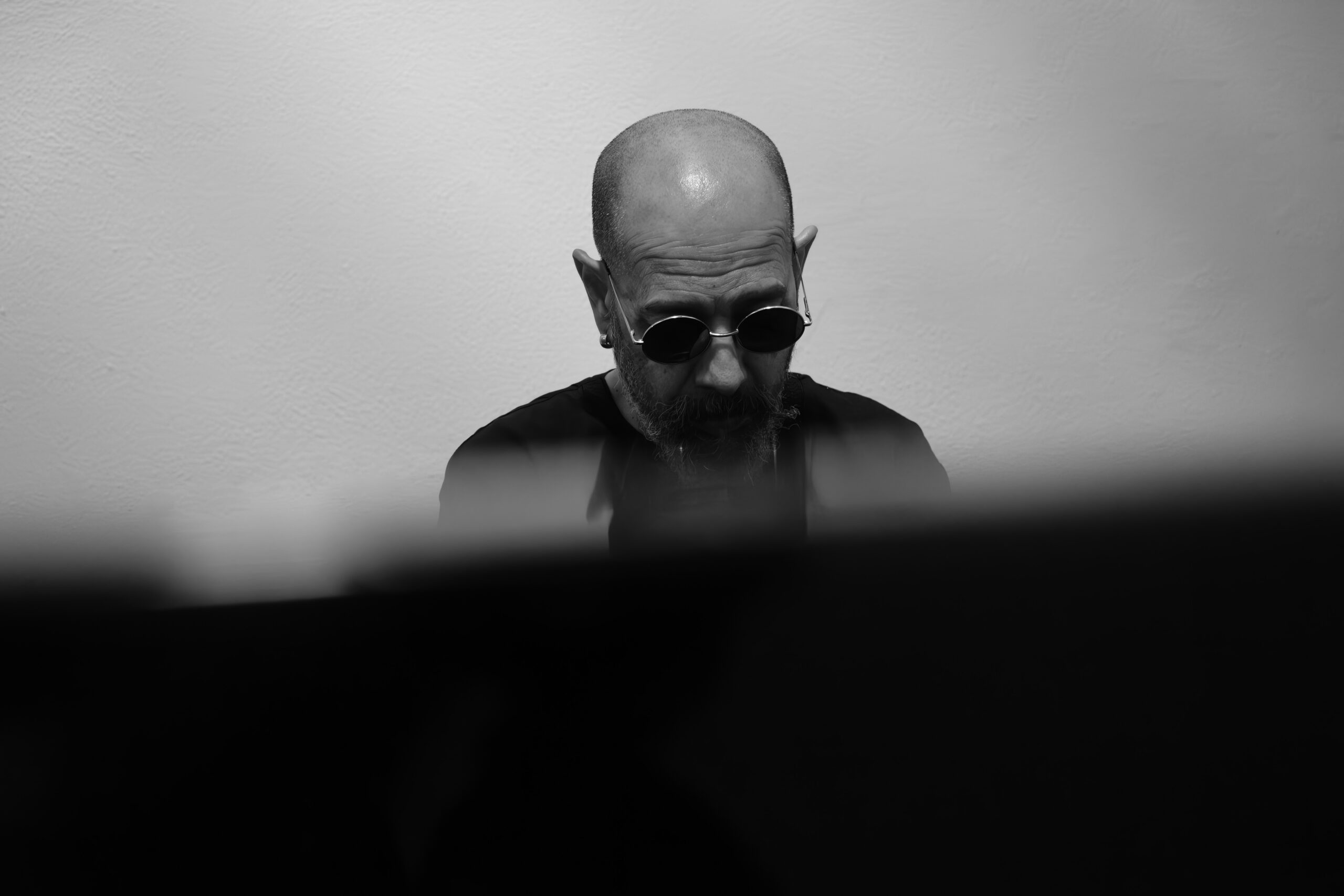
The conference opens on Wednesday, 25 February with a feature performance by Cape Jazz/Goema pioneer Hilton Schilder, a multi-instrumentalist long associated with shaping the sound-world of Cape jazz.
The evening includes a cocktail reception for delegates, artists and partners — setting the tone for dialogue that bridges scholarship and stage.
Day 1: Cape Jazz, Goema and Zulu Musical Language
Thursday’s programme foregrounds Cape jazz/goema traditions and Zulu musical elements in contemporary jazz practice.
Highlights include:
-
Research session: From Big Band to Ghoema: Reframing Cape Jazz in South African Jazz
-
Masterclass: Hilton Schilder — Cape Jazz, Goema Feel & Creative Methods
-
Masterclass: Bheki Khoza — Zulu Musical Elements, Indigenous Guitar Language & SA Jazz Practice
-
Panel discussions examining groove, phrasing, tonalities, language and the ethics of “translation” from community sound to stage performance.
The day interrogates how indigenous musical vocabularies move from communal origins into formal performance spaces — and what responsibility accompanies that movement.
Day 2: Archives, Language and Lineage
Friday, 27 February, shifts focus toward documentation, ceremonial practice and the archive.
Programme highlights include:
-
Research session: Tracing Indigenous Knowledge in South African Jazz
-
Masterclass: Buddy Wells — Saxophone Language, Lineage & Xhosa Sound
-
Panel: Xhosa Songcraft in South African Jazz (including selected online contributors)
-
Online talk: George Werner — Documenting South African Jazz
-
Guest talk: Prof Martin Zenker (IASJ) — Internationalisation
These sessions confront a vital question: how do we document and globalise South African jazz without diluting its linguistic, ceremonial and indigenous grounding?
Closing Concert at The Chairman
The conference concludes with a live performance at The Chairman, bringing together three significant voices in contemporary South African jazz:
-
Sbonelo Mlita — bassist, composer and bandleader whose work spans Afro-jazz and Afrobeat.
-
Lu Dlamini — Durban-based vocalist, composer and traditional instrumentalist known for storytelling rooted in deep KwaZulu-Natal lineage.
-
Buddy Wells — Cape Town-based saxophonist, composer and arranger with extensive national and international performance history.
Running from 19:00–21:00 at 146 Mahatma Gandhi Road, the closing concert mirrors the conference’s core inquiry: how indigenous language, knowledge and memory live within jazz practice today.
A Vital Home for Jazz Education
The host venue, UKZN’s Centre for Jazz and Popular Music at the Howard College Campus, remains a cornerstone of South Africa’s jazz education landscape. Located in the Dennis Shepstone Building on Mazisi Kunene Road in Glenwood, Durban, CJPM provides rehearsal rooms, performance spaces and academic infrastructure that connect students, professionals and the broader public.
The 16th SAJE Conference is made possible through support from the National Arts Council of South Africa and eThekwini Municipality, reinforcing the collaborative ecosystem that sustains jazz scholarship and live performance in the city.
Event Details
Event: 16th SAJE Conference 2026
Dates: 25–27 February 2026
Theme: Indigenous Musical Elements in South African Jazz: Exploring Theory and Practice
Format: Hybrid (In-person and Virtual)
Main Venue:
University of KwaZulu-Natal (UKZN) – Howard College Campus
Centre for Jazz and Popular Music (CJPM)
Dennis Shepstone Building, Level 2
Mazisi Kunene Road, Glenwood
Durban, 4041, South Africa
Closing Concert:
The Chairman
146 Mahatma Gandhi Road
Durban, 4001
Time: 19:00 – 21:00
Registration and full programme details are available via the official conference links.
In positioning indigenous musical knowledge not as a footnote but as foundation, the 16th SAJE Conference insists on a deeper listening. It asks educators, performers and scholars to recognise that South African jazz is not merely shaped by indigenous elements — it is structured by them.