South Africa is leading Africa’s artificial intelligence revolution. Businesses are embracing AI, organisations are investing in digital transformation, and new technologies are reshaping the future of work. Yet behind this progress lies a sobering reality: millions of South Africans remain locked out of the AI economy because they lack access to one of its most basic requirements—a computer.
While the country ranks 46th out of 147 economies in Microsoft’s Global AI Diffusion Report for Q1 2026, ahead of every other African country measured, the benefits of this technological shift are not being shared equally.
According to the report, 23.1% of South Africa’s working-age population now uses generative AI. However, only 16% of adults own a computer, leaving many South Africans unable to participate fully in a rapidly evolving digital world.
When a Laptop Costs More Than a Month’s Salary
For many households, owning a computer remains financially out of reach.
The latest available Statistics South Africa (Stats SA) earnings data places the country’s median monthly wage at R5 417. Entry-level laptops, meanwhile, generally cost more than R6 000.
For roughly half of South Africa’s workforce, buying a computer would require spending more than an entire month’s wages.
The affordability challenge is reflected in household ownership. According to the latest available data from the International Telecommunication Union (ITU), only 26% of South African households have a computer at home.
Without regular access to a computer, millions of people miss the opportunity to develop the digital skills increasingly required for education, employment and participation in an AI-driven economy.
Connected Doesn’t Mean Digitally Equipped
Internet access alone no longer defines digital inclusion.
According to ICASA’s 2026 State of the ICT Sector Report, 82.1% of South African households have internet access from some location, with mobile phones remaining the primary way people connect.
But connectivity and capability are not the same.
For many South Africans, smartphones provide access to the internet, yet they do not automatically equip users with the practical computer skills needed to study, apply for jobs or work effectively in a digital environment.
Tasks such as creating a CV, completing online job applications, working with spreadsheets, attending virtual classes, using government online services or engaging with AI tools require more than simply browsing social media or sending WhatsApp messages.
Being online is only the first step. Having the skills to turn connectivity into opportunity is the real challenge.
The Digital Divide Begins in the Classroom
The gap starts long before young people enter the workforce.
According to the Department of Basic Education’s 2025 Education Facility Management System report, just under half of South Africa’s public schools have a computer centre, meaning more than 11 000 schools still do not.
The report also shows that fewer than 10% of mathematics educators have computers available in their classrooms.
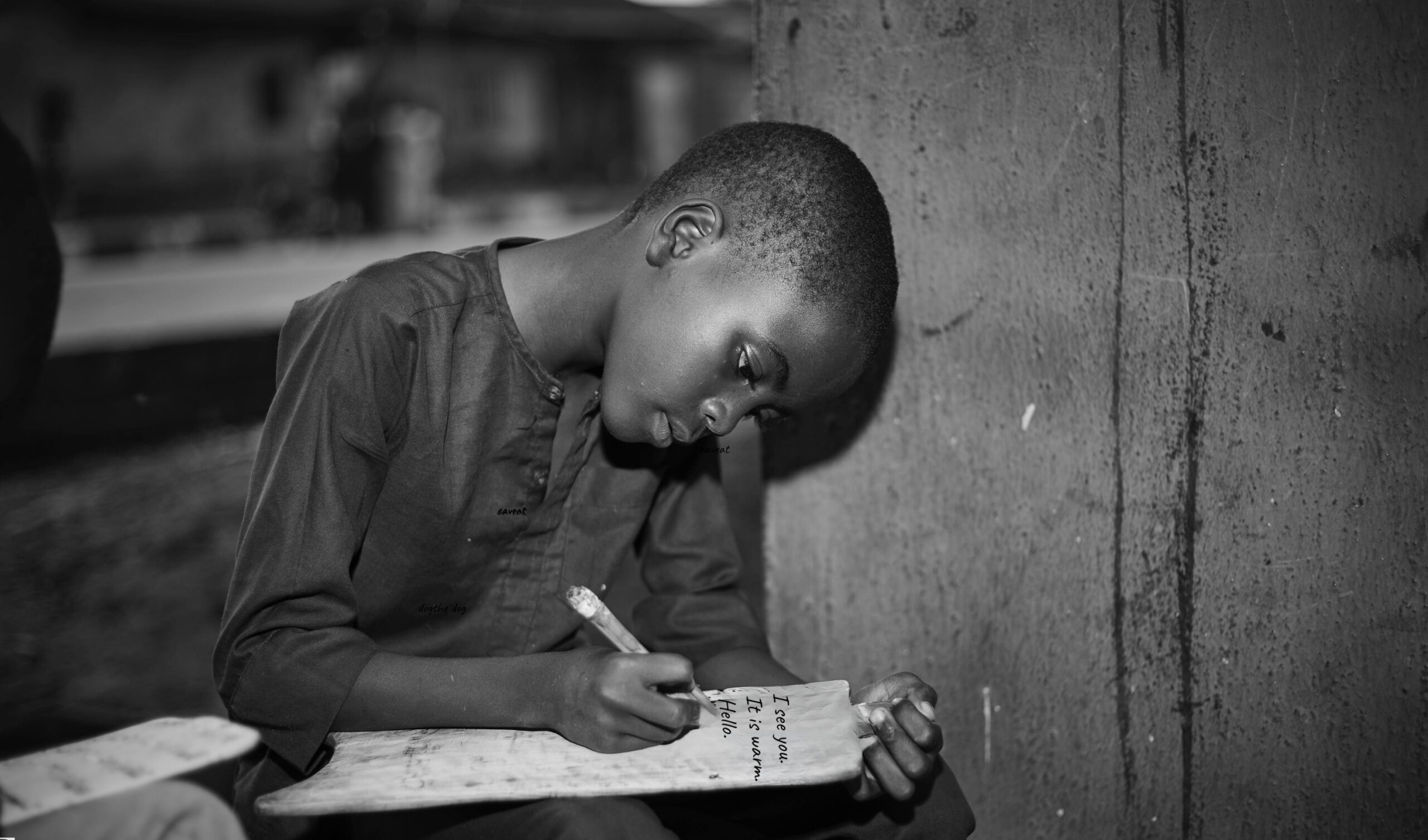
As a result, many learners encounter a desktop or laptop computer for the very first time only after entering tertiary education or the workplace.
“This means that thousands of learners arrive without the basic computer literacy skills needed for post-school study and the workplace,” says Barbara Cawcutt, General Manager at ICB (International Certifications for Business).
“As they start on the back foot, tertiary institutions have a responsibility to step in to address this gap with foundational digital skills support, including basic proficiency on a laptop or desktop, to open the door for students to fully participate in education, work and the digital economy.”
Foundational Skills Are the Gateway to the AI Economy
As artificial intelligence becomes increasingly integrated into education, business and everyday life, basic computer literacy has become an essential life skill rather than an optional advantage.
Knowing how to use a keyboard and mouse, save and retrieve documents, browse the internet and work with everyday software provides the foundation for further digital learning and AI adoption.
Without these skills, millions remain excluded from opportunities that continue to expand in the digital economy.
Cawcutt believes tertiary institutions have a vital role to play in closing this gap.
“With digital literacy levels critically low, it is imperative to start with foundational computer and digital literacy,” she says.
“As tertiary institutions we can play a key role in bridging this gap and preventing South Africans who are already excluded from falling deeper into economic and social isolation.”
Bridging the Gap Before It Widens Further
The urgency becomes even clearer when public awareness of artificial intelligence is considered.
According to a national survey conducted by the Human Sciences Research Council (HSRC), 73% of South Africans have little awareness of the term “AI”.
The contrast is striking.
While organisations continue accelerating AI adoption and digital transformation, millions of South Africans remain excluded from the conversation because they lack the basic tools and skills needed to participate.
South Africa’s AI future holds enormous promise. But unless foundational computer and digital literacy become a national priority, the country’s technological progress risks leaving millions behind.
The future of AI will not be determined only by innovation. It will also depend on ensuring that every South African has the opportunity to participate in it.