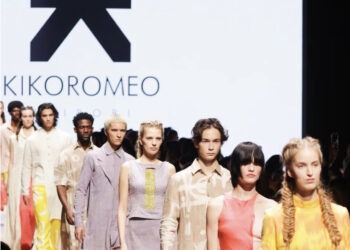
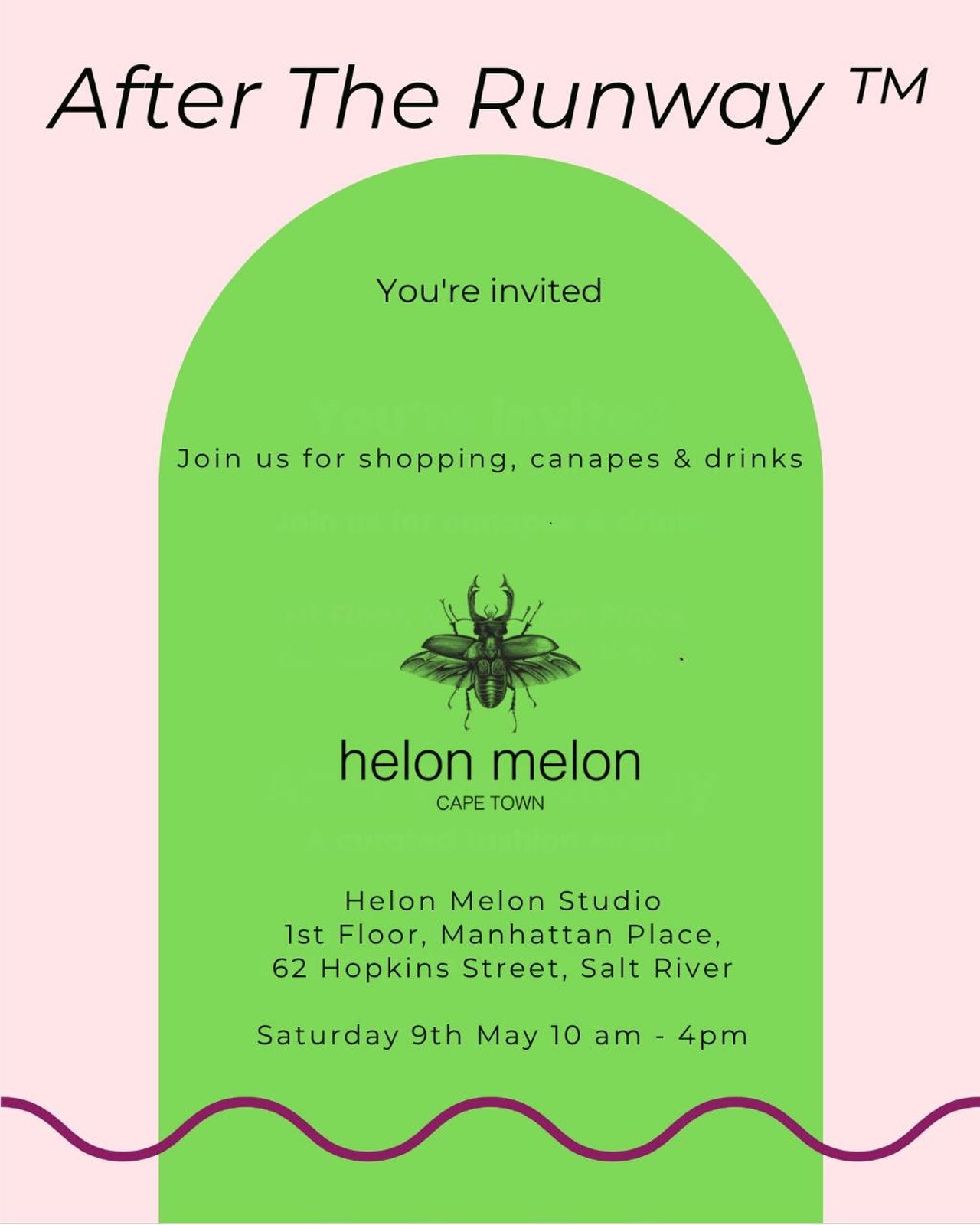
Cape Town, South Africa — 9 May 2026 — While the lights of South African Fashion Week may have dimmed for the season, the conversation around South African fashion is far from over.
In Cape Town, a new cultural platform is extending the energy of the runway beyond the catwalk and into the heart of the city’s creative community.
After the Runway arrives as a one-day celebration of fashion, design, and creative exchange — a space where collections can be experienced more intimately, where emerging designers gain visibility, and where audiences engage with fashion beyond fleeting runway moments.
Rather than attempting to recreate the spectacle of fashion week, the event seeks to deepen it.
A city-led celebration of South African creativity
Hosted by Helon Melon, who opened this season’s programme at South African Fashion Week, the gathering brings together a cross-section of designers shaping the current South African fashion landscape.
Among the featured names is Emelia Dorcas, winner of the SS26 SA Fashion Week Scouting Menswear competition, alongside finalist Victori ZA.
The lineup also includes:
- Michael Ludwig
- Artho Eksteen
- Kate Sara Boutique
Together, the designers reflect a broad spectrum of aesthetics, identities, and creative philosophies — reinforcing the richness and diversity of contemporary local fashion.
More than a showcase — a continuation of the conversation
What makes After the Runway distinct is its intentional intimacy.
Instead of viewing collections from a distance for a few passing minutes, attendees are invited into a more immediate environment where garments, textures, craftsmanship, and creative narratives can be experienced up close.
The event creates meaningful interaction between designers, media, stylists, buyers, broadcasters, digital creators, and audiences — transforming fashion from spectacle into dialogue.
“This moment is about creating visibility and celebrating the incredible creative energy within Cape Town,” says curator Sumendra Chetty.
“South African Fashion Week plays such an important role in giving designers a national platform, and this event allows us to continue that conversation within the city — bringing collections, designers, and audiences together in a way that feels immediate, personal, and community-driven.”
Cape Town’s growing influence in fashion
The event also signals something larger happening within the city itself.
For years, Cape Town has steadily built a reputation as a hub for art, design, photography, and creative experimentation. Increasingly, fashion is becoming part of that identity — not simply as retail or trend culture, but as a form of cultural storytelling.
By centring local designers and opening collections to direct public engagement, After the Runway reinforces fashion’s role as both creative expression and community connection.
It also responds to a growing demand for platforms that support designers beyond the traditional runway model — spaces where collections can continue to live, evolve, and connect with audiences after fashion week concludes.
A concentrated view of South African design now
For editors, stylists, broadcasters, content creators, and fashion observers, the event offers something increasingly valuable: concentrated access to the pulse of Cape Town’s current design scene in one accessible environment.
From emerging talents redefining menswear to established creatives refining contemporary South African aesthetics, the event captures a moment of evolution within local fashion.
And perhaps that is what makes it important.
Not simply because it celebrates fashion after the runway — but because it asks what happens next.
In a cultural landscape hungry for authenticity, connection, and local creative identity, After the Runway positions itself as more than an event.
It becomes part of the conversation shaping the future of South African fashion itself.