

South Africa’s children are often praised for their resilience. They smile through hardship, adapt to difficult realities and continue dreaming even when life gives them every reason not to. But behind many of those smiles are untold stories of fear, hunger, violence and emotional trauma. As Child Protection Week shines a spotlight on the country’s youngest citizens, one message is becoming impossible to ignore: safeguarding children can no longer be treated as an afterthought. It must become South Africa’s loudest promise.
That is the urgent call from Afrika Tikkun Bambanani, an organisation working across communities to strengthen early childhood development, educational support and child-centred care. Their latest reflection, titled The Quiet Heroes Between the Cracks, challenges South Africans to rethink what child protection truly means in a country where many children quietly carry burdens no child should bear.
For CEO Theresa Michael, safeguarding is not simply about policies, compliance checklists or reacting when harm has already happened. It is about creating environments where children feel safe long before danger appears.
“Child safeguarding should not just be a policy hidden inside a filing cabinet. It must be a living promise to every child who walks through the doors of an Early Childhood Development centre, enters a classroom,” says Michael.
Across classrooms, township streets, playgrounds and rural villages, countless children are navigating realities shaped by poverty, instability and violence. Some arrive at school hungry. Others carry anxiety that adults may never fully see. Some have already learned silence before they have properly learned to read. Yet despite these realities, children still laugh during break time, still participate eagerly in class and still dream about futures bigger than their circumstances.
That contrast is exactly why Child Protection Week matters.
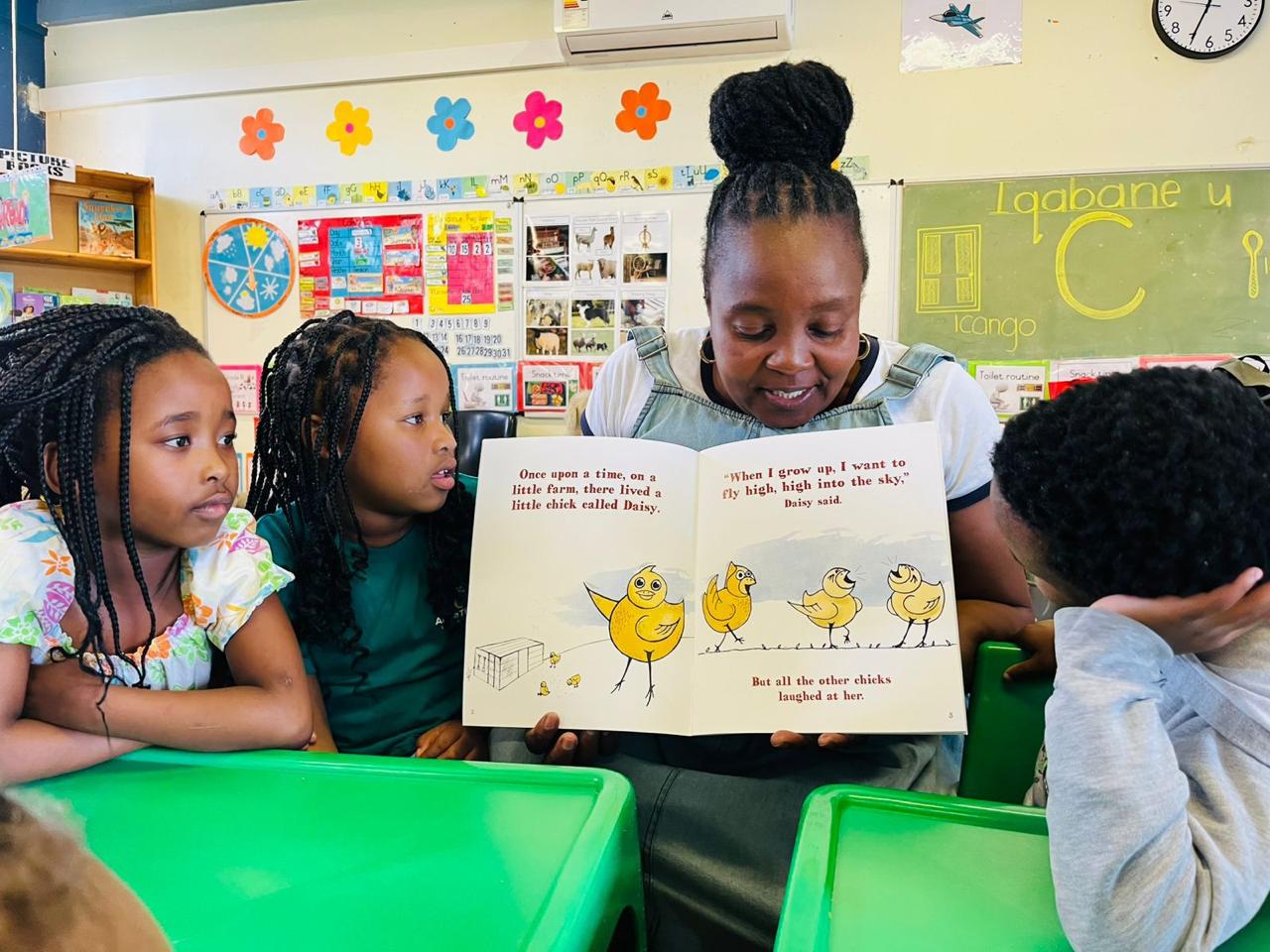
Afrika Tikkun Bambanani believes safeguarding begins long before crisis intervention. It starts with building cultures of care inside schools and Early Childhood Development centres. In many communities, these spaces become more than places of learning. They become emotional sanctuaries where children are seen, heard and protected.
For some children, a teacher noticing unusual silence can become the first step toward help. A practitioner asking “Are you okay?” can become a lifeline. A classroom built around emotional safety can become the difference between survival and growth.
“Safeguarding must be woven into the way practitioners are trained, the way classrooms are supported, and the way relationships with children are built. This should be in holistic child-centred development, emotional wellbeing, inclusive learning environments, and ethical responsibility,” Michael explains.
The organisation argues that child protection is too often misunderstood as something reactive, reserved only for emergencies or obvious danger. But true safeguarding is preventative. It is about building systems where harm struggles to exist in the first place.
That means training educators and caregivers to identify early warning signs. It means teaching ethical boundaries and emotional awareness. It means protecting children both offline and online. And critically, it means recognising that emotional harm can leave wounds just as deep as physical abuse.
“Most importantly, safeguarding means understanding that every child deserves to feel safe before they are expected to succeed,” Michael adds.
At the centre of the conversation lies a difficult national question: Are South Africans raising children simply to survive, or are they building environments where children can genuinely thrive?
For Afrika Tikkun Bambanani, the answer lies in community-driven solutions rooted in compassion, education and collaboration. Through practitioner mentoring, school support programmes, family engagement and early childhood development initiatives, the organisation continues working to strengthen systems that protect and empower children.
The message is clear: safeguarding is not separate from education. It is education.
A child who feels unsafe cannot learn freely. A child who feels invisible cannot develop confidently. And a child who is consistently unheard may eventually stop speaking altogether.
As Child Protection Week continues, the organisation is urging South Africans to move beyond symbolic awareness campaigns and embrace collective accountability. Stronger systems, better practitioner training, courageous conversations and community involvement are no longer optional. They are essential.
An old African proverb says, “The child who is not embraced by the village will burn it down to feel its warmth.”
Afrika Tikkun Bambanani believes safeguarding is how communities embrace children before the fire ever begins.













Politically Aweh: Poll Dancing Brings Politics, Comedy and Facts to Cape Town