
In classrooms around the world, a subtle but powerful transformation is underway. It is not driven by stricter curricula or heavier textbooks, but by something far more profound: a renewed belief in the child.
At the centre of this global shift is the Reggio Emilia approach—a philosophy that is reshaping how educators think about learning, creativity, and the role of the classroom itself. And in April 2026, this movement took centre stage at the Reggio Emilia International Conference in Italy, where educators from 47 countries gathered to explore its growing impact.
Among them were representatives connected to Advtech Schools, reflecting a rising interest in bringing this globally respected approach into South African education.
Moving Beyond Rigid Academics
For decades, early childhood education has often been shaped by structure, assessment, and predefined outcomes. But according to Darren Purdon, Head of Academics at Advtech Schools, that model is rapidly evolving.
The Reggio Emilia philosophy challenges the idea that learning is something delivered to children. Instead, it positions them as active participants—curious, capable, and deeply engaged in shaping their own understanding of the world.
This shift is not theoretical. It is rooted in a simple but transformative idea: learning happens through relationships, experiences, and interaction—not in isolation.
The Classroom as a Living Environment
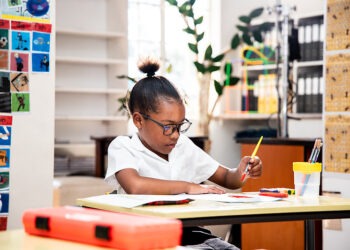
Step into a Reggio Emilia-inspired classroom, and the difference is immediate.
Here, the environment is not just a backdrop—it is what educators often call the “third teacher.” Spaces are intentionally designed to reflect learning themes, encourage exploration, and invite interaction. Materials are not limited to traditional tools; everyday objects—paper, natural elements, recycled resources—become instruments of creativity and inquiry.
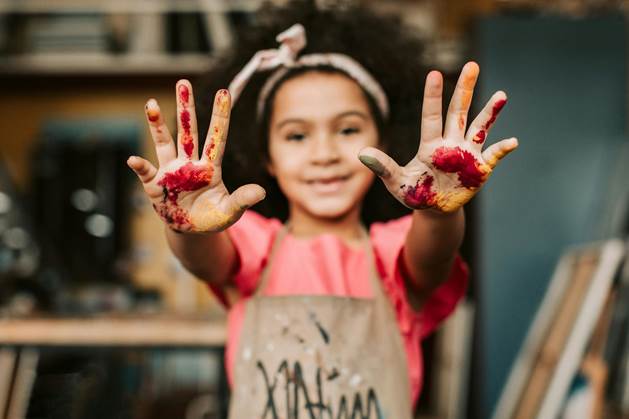
Children are encouraged to think, question, build, and collaborate. They engage in activities like observational drawing, storytelling, and hands-on experimentation, while teachers carefully document these moments through photographs, notes, and displays.
This documentation is more than record-keeping. It makes thinking visible, allowing both educators and learners to reflect on the process of discovery itself.
Redefining the Role of the Teacher
In this model, the teacher is no longer the sole authority in the room.
Instead, they become a guide, a listener, and a co-learner—someone who creates space for each child’s voice to emerge. This shift reflects one of the core principles introduced by Loris Malaguzzi, who believed that education must be rooted in joy, curiosity, and respect for the child’s potential.
Personalisation becomes central. Each child is recognised as an individual with rights, ideas, and a unique way of engaging with the world.
Why South African Parents Are Paying Attention
While the Reggio Emilia approach has long influenced progressive education globally, its relevance in South Africa is becoming increasingly clear.
Parents are navigating a landscape where academic pressure often begins at an early age. Against this backdrop, a model that prioritises wellbeing, creativity, and genuine engagement offers a compelling alternative.
According to Purdon, the benefits are tangible: stronger social-emotional development, improved critical thinking, deeper engagement, and perhaps most importantly, children who genuinely enjoy learning.
This is not about lowering standards—it is about redefining success. Instead of focusing solely on outcomes, the emphasis shifts to how children think, interact, and grow.
A Future Built on Curiosity and Connection
What emerged from the conference in Italy is not just a reaffirmation of a philosophy, but a clear signal of where education is heading.
The future of early learning is moving toward environments where children feel seen, heard, and valued—where curiosity is not managed but encouraged, and where creativity is not an extra, but a foundation.
For South Africa, this presents both an opportunity and a challenge: to rethink traditional models and embrace approaches that align with how children naturally learn.
Because in the end, the most meaningful education does not begin with instruction.
It begins with wonder.