
In a fashion landscape increasingly driven by individuality, nostalgia and cultural reinvention, Gucci has unveiled “Generation Gucci” — a striking new campaign that blends archival elegance, modern sensuality and cinematic storytelling into one of the House’s most visually layered statements in recent years.
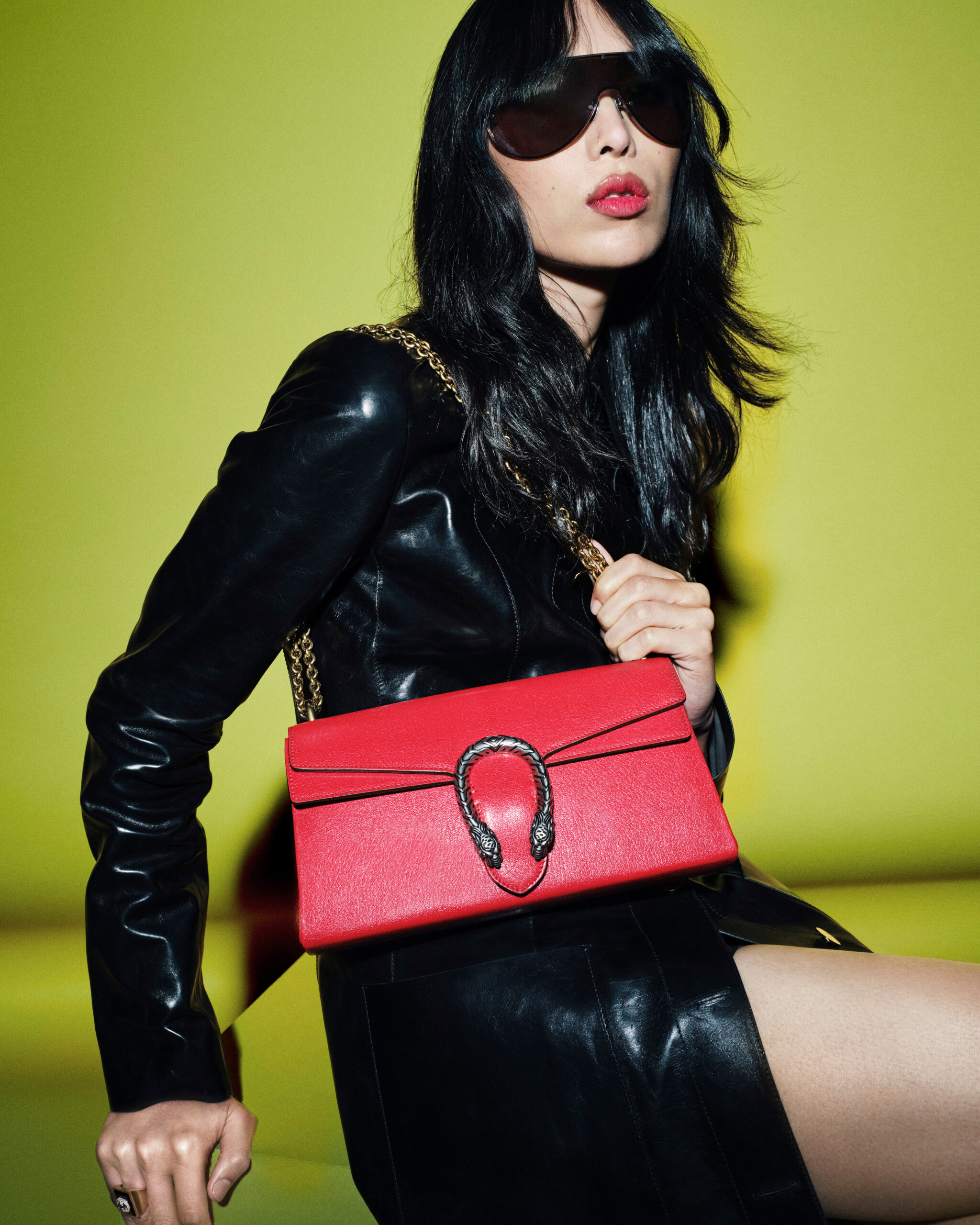
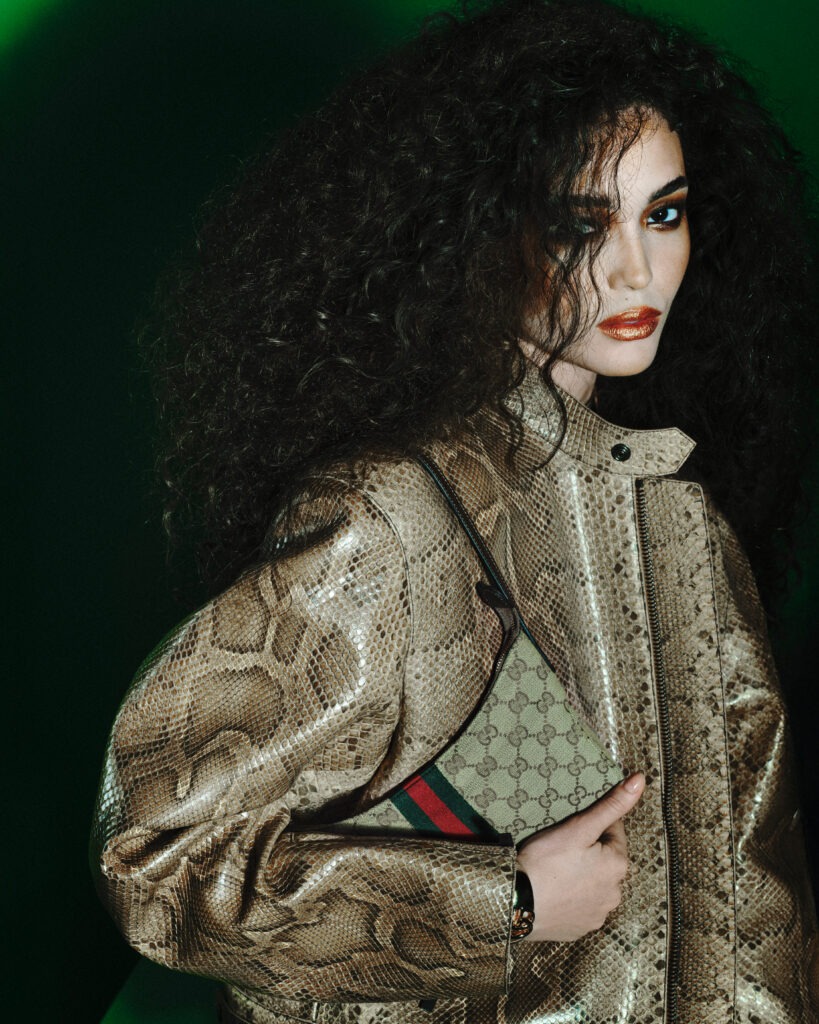
More than a traditional campaign, Generation Gucci emerges as a portrait of a new collective shaping the evolving identity of the iconic Italian luxury brand. Through a curated visual narrative spanning 84 images — one for each look — the campaign presents a near-lookbook photographed by Demna, capturing a world where past and present quietly collide.
The collection itself moves fluidly across decades of Gucci history, drawing on archival references while introducing new silhouettes, textures and interpretations that reflect the House’s continuing transformation under contemporary luxury culture.
A Collection Built Between Heritage and Reinvention
At the heart of Generation Gucci is a wardrobe that feels simultaneously nostalgic and radically current.
Tailored womenswear arrives with precision through sharply structured two-piece suits paired with slim-fit trousers, while head-to-toe leather and suede looks introduce a bold, tactile confidence. Textured outerwear is softened with a sense of lightness, balancing strength with fluidity.
Throughout the collection, Gucci’s equestrian heritage quietly resurfaces. Silk ensembles featuring equestrian-inspired prints draw directly from the House’s archival scarf designs, reconnecting the campaign to one of Gucci’s longstanding visual signatures.
The collection’s eveningwear shifts into a more intimate, sensual mood.
Underwear-inspired garments are layered beneath silk blousons, while minimal gowns in fluid jersey and silk chiffon create silhouettes that move with understated elegance rather than overt drama.
 Footwear Designed with Movement in Mind
Generation Gucci’s footwear offering embraces sleek minimalism while subtly referencing the House’s travel and equestrian legacy.
Valigeria-inspired ballerinas — now introduced in men’s sizing — expand traditional gender boundaries within luxury footwear, while streamlined loafers are designed with the lightweight softness and ease of dancing shoes.
The result is footwear that prioritises movement, comfort and fluidity without sacrificing the refined aesthetic synonymous with Gucci.
Accessories Become the Campaign’s Emotional Core
As with many defining Gucci collections, accessories remain central to the campaign’s storytelling.
The legendary Gucci Jackie 1961 is reimagined in updated proportions, while the Gucci Dionysus evolves into a sharper, more angular silhouette.
The Lunetta Phone+ shoulder bag introduces functionality tailored for contemporary lifestyles, holding everyday essentials while maintaining a polished luxury identity.
But perhaps the most defining accessory within Generation Gucci is the emergence of the Paparazzo bag.
Combining Gucci’s iconic Web stripe with the instantly recognisable Horsebit hardware, the design channels what the House describes as a distinct sense of “Gucciness” — effortlessly bridging casual styling with elevated eveningwear.
Jonathan Glazer’s Cinematic Vision Adds Emotional Depth
Beyond the still imagery, Generation Gucci extends into a cinematic short film directed by acclaimed filmmaker Jonathan Glazer.
Set in a motel at night beneath a glowing full moon, the film introduces a dreamlike atmosphere where moments feel suspended between reality and memory.
Starring Mariacarla Boscono and Alex Consani, the narrative follows a cast of individuals whose lives quietly intersect as they move through shifting pools of light toward something undefined yet deeply magnetic.
The result is a visual experience that feels intimate, mysterious and quietly surreal — mirroring the campaign’s broader exploration of individuality shaped through collective energy.
The Evolution of a Fashion House
Founded in Florence in 1921, Gucci remains one of the world’s most influential luxury fashion houses.
Under the leadership of President and CEO Francesca Bellettini and the artistic direction of Demna, the brand continues to navigate a balance between heritage craftsmanship and modern creative disruption.
Gucci forms part of the global luxury group Kering, which oversees several internationally recognised fashion, leather goods, jewellery and eyewear houses.
With Generation Gucci, the House appears less interested in defining a single aesthetic and more focused on capturing a collective mood — one shaped by identity, movement, emotion and anticipation.
Together, the campaign’s imagery and cinematic storytelling create a portrait of luxury that feels deeply contemporary: fragmented yet connected, individual yet communal, grounded in history while always reaching toward what comes next.