By design, progress in healthcare is rarely loud. It happens quietly — in clinics, in policy shifts, in access. But every so often, a breakthrough arrives that doesn’t just improve a system — it begins to reshape it.
South Africa may be standing at precisely such a moment.
With the introduction of the country’s first generic hormone-releasing intrauterine device (IUD), a new chapter is opening in reproductive healthcare — one defined not only by innovation, but by access, affordability, and agency.
A System Under Pressure — and an Opportunity to Shift
South Africa has made notable strides in expanding access to contraception. Today, an estimated nine million women use modern contraceptive methods. Yet beneath this progress lies a critical imbalance.
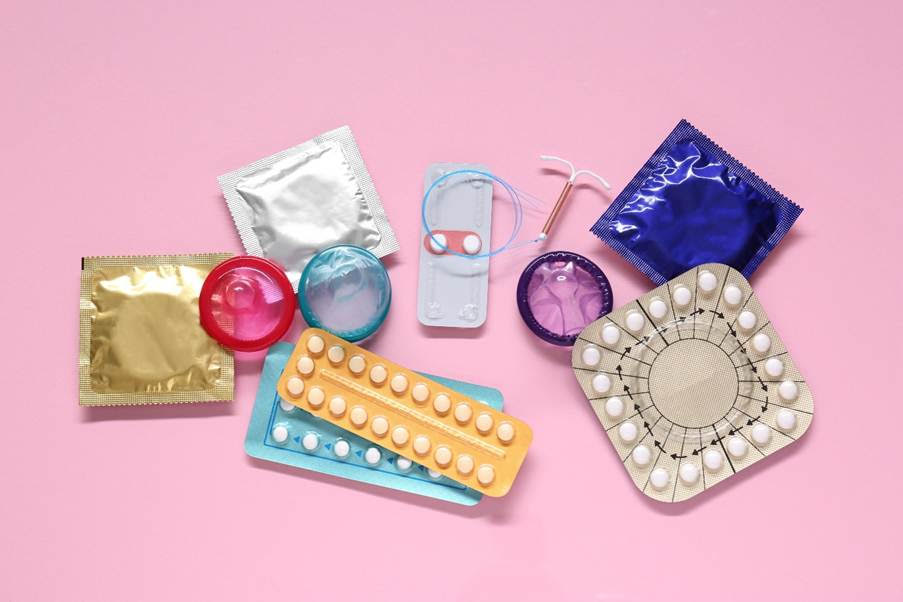
The majority of women still rely on short-acting contraceptives — pills, injectables, and condoms — methods that require consistency, access, and often repeated healthcare visits.
By contrast, long-acting reversible contraception (LARC) — including IUDs — accounts for less than 2% of the country’s contraceptive use.
This is not due to lack of effectiveness. Quite the opposite.
It’s about access.
The Cost Barrier — and a Breakthrough
According to Ingrid Singels, one of the most persistent barriers to IUD adoption has been affordability.
While IUDs are widely recognised as cost-effective over time, the upfront expense has historically placed them beyond reach for many South African women. This challenge is compounded by:
- Limited availability in public healthcare facilities
- Gaps in provider training
- Ongoing misconceptions about IUD safety and use
Now, that equation is changing.
The introduction of a generic levonorgestrel 52 mg IUD by Pharma Dynamics signals a critical shift — offering a clinically equivalent, lower-cost alternative that could significantly expand access across both public and private healthcare sectors.
Why IUDs Matter More Than Ever
Globally, IUDs are among the most trusted and widely used contraceptive methods, with over 150 million users.
Their appeal lies in what modern healthcare increasingly values: effectiveness, convenience, and long-term reliability.
Hormone-releasing IUDs work in multiple ways:
- Thickening cervical mucus to block sperm
- Inhibiting sperm movement and survival
- Thinning the uterine lining
They are also highly effective, with international clinical studies showing ~99% efficacy over six years — a rate comparable to permanent sterilisation.
Yet, in South Africa, reliance on injectables remains dominant, with 47% of women using contraception opting for two- or three-month injections.
The gap is not about preference — it’s about access and awareness.
Beyond Contraception: A Life-Changing Health Benefit
What makes hormone-releasing IUDs particularly powerful is their dual role.
In addition to preventing pregnancy, they are widely used to treat heavy menstrual bleeding (HMB) — a condition affecting up to one in three women.
Clinical studies show that:
- Menstrual blood loss can decrease by over 80% within 12 months
- Many women experience lighter periods — or no bleeding at all over time
For many, this is more than medical relief.
It’s a restoration of daily dignity, productivity, and emotional wellbeing.
As Singels notes, heavy bleeding impacts far more than physical health — it touches work, relationships, and quality of life.
Fertility Without Compromise
One of the most compelling advantages of IUDs is what happens after they are removed.
For women planning future families, the reassurance is clear:
- Fertility returns quickly
- More than 85% of women who wish to conceive do so within a year of removal
This balance — long-term protection without long-term sacrifice — is central to why IUDs are considered one of the most empowering contraceptive options available.
Not One-Size-Fits-All — But a Vital Option
Like all medical interventions, hormonal IUDs are not universal solutions. Women are encouraged to consult healthcare providers to assess suitability, considering both benefits and potential drawbacks.
Key Benefits:
- Long-term pregnancy protection
- Effective treatment for heavy menstrual bleeding
- No daily or frequent maintenance
- Reduced or eliminated menstrual bleeding
- Rapid return to fertility after removal
Considerations:
- Possible initial cramping or irregular bleeding
- Requires trained professionals for insertion and removal
- Higher upfront cost compared to short-term methods
A Country at a Crossroads
South Africa continues to face high rates of unplanned pregnancy, with an estimated 64% of pregnancies unintended.
In this context, expanding access to long-acting contraception is not just a healthcare goal — it’s a socio-economic imperative.
The introduction of a generic hormonal IUD represents more than a product launch. It is a signal of a changing contraceptive conversation — one that prioritises:
- Choice
- Affordability
- Accurate information
- Long-term health outcomes
The Bigger Picture: Empowerment Through Access
At its core, this shift is about agency.
When women have access to reliable, affordable, and appropriate contraceptive options, they gain more than control over their reproductive health — they gain control over their futures.
As Singels puts it:
“The goal is not to steer women toward one method, but to ensure they have accurate information, real choices and affordable options.”
Because in the end, progress is not measured by innovation alone — but by who it reaches.